On this page
The short answer
Use the exact model's manual to check whether you can wipe it, rinse it, use it in a shower or submerge it. IPX4 describes splash protection. IPX7 describes temporary immersion under set test conditions. Keep charging accessories dry and check the charging area before connecting the device.
Checklist
- Match the model number on the product, box or order to the instructions.
- Find the IP rating, if listed, and read the directions for your planned use.
- Check how to position any cap, cover or removable part.
- Follow the cleaning and drying instructions before reconnecting the charger.
You’ve picked out a rechargeable wand and the listing says “waterproof”. Before you take it into the bath, open the manual and find the page about water. Look for a sentence about how much of the device can get wet and what to do with the charging cover. If you’re only planning to clean it at the sink, start with the care section.
Read the two positions in the IP code
IEC 60529 classifies how an electrical enclosure protects against things getting inside it. The first position after IP is for solid objects and access to hazardous parts. The second is for water. An X in either position means that the code leaves that position unspecified. In IPX7, the 7 tells you about an immersion test and the X leaves the first position open. In IP67, the 6 adds a dust protection class, while the water numeral is still 7.
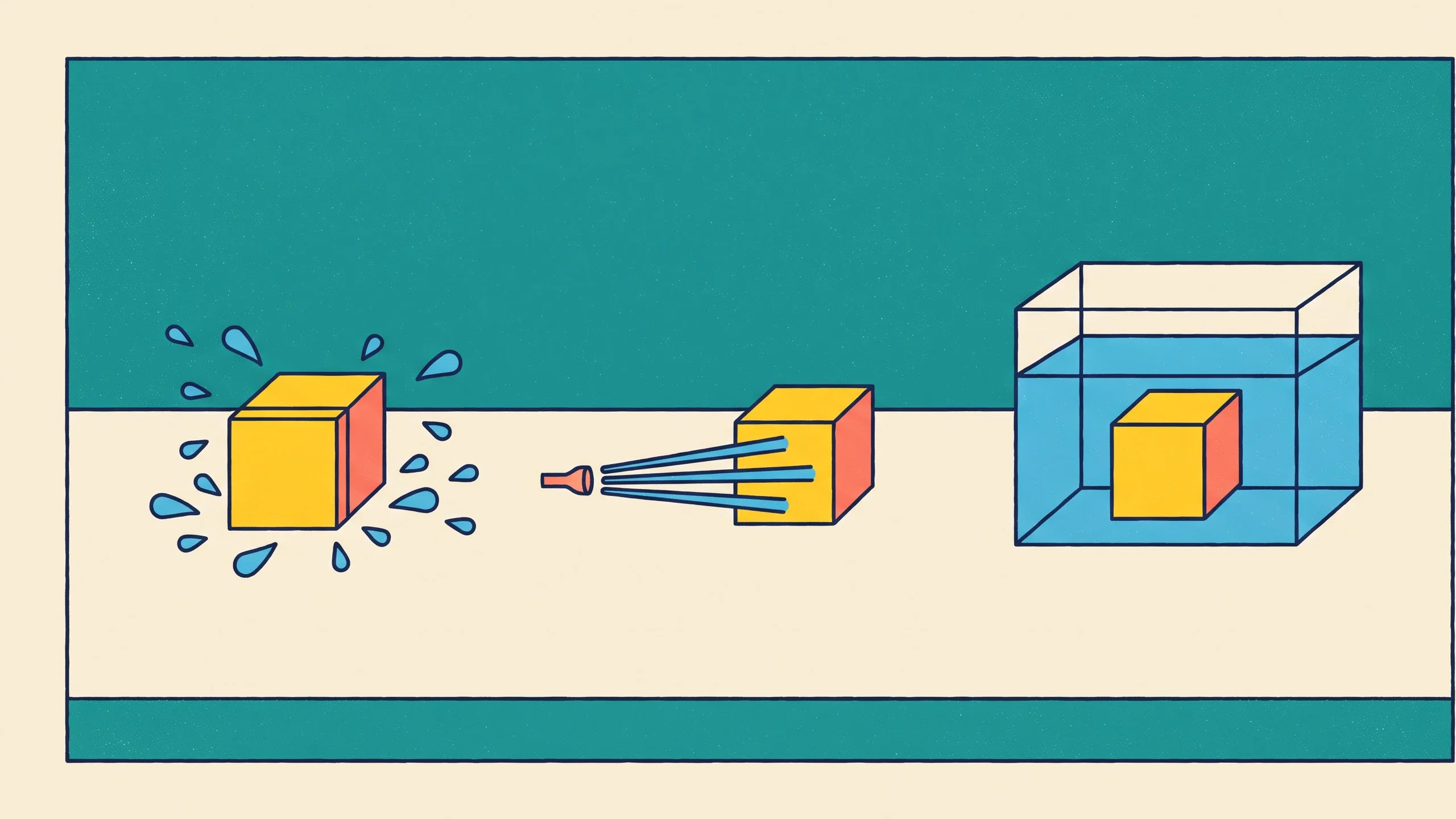
Splash and jet tests direct water against the enclosure. An immersion test puts the enclosure under water. A product can carry separate jet and immersion ratings, such as IPX5/IPX7. If IPX7 is the only rating you can find, check the maker’s shower directions before putting the device under a direct spray.
| Code | Test covers | What to look up for the device |
|---|---|---|
| IPX4 | Splashes from any direction. | The permitted cleaning method and any areas to keep dry. |
| IPX5 or IPX6 | Water jets. The IPX6 test uses more powerful jets. | The conditions for rinsing or using it under a spray. |
| IPX7 | Temporary immersion under standard test conditions. | Whether the manual allows bath use and what limits it sets. |
| IPX8 | Immersion under conditions specified for that model, beyond the IPX7 test. | The maker's depth, duration and other conditions. |
For an enclosure shorter than 850 mm, the IPX7 test puts its lowest point one metre below the surface for 30 minutes. That’s where the “one metre for 30 minutes” shorthand comes from. Use the manual to decide how you can use your device at home. For IPX8, two manufacturers can specify different limits. Check the instructions for temperature and cleaning products too, especially if you use bath oils or plan to wash the item in hot water.
The rating belongs to the enclosure under the conditions of the test. Check how the manual says to prepare the item before water exposure. If it has a charging cover, find the instructions or the diagram showing how it sits when closed. A cap that clicks into place and a plug that presses flush are two different designs. Use the directions supplied for yours to check that it’s seated.
Compare the wording on three UK listings
We-Vibe calls the Tango X waterproof and gives its rating as IPX7. Lovehoney calls the Power Play Rechargeable Mini Wand submersible in the specifications and names bath and shower use on its product page. The page leaves out a numbered IP code. The Lovehoney Red Silicone Mini Wand, product code 87694, is listed as splashproof. The Power Play is product code 86398. When both listings turn up in a search for “mini wand”, use the code to keep the instructions straight.
If a shop labels a device splashproof without stating a rating, keep that wording when you compare it with another model. Only enter IPX4 in your notes if the documentation actually gives that code. For a product described as submersible, check its depth or time restrictions with the seller if the model’s guide leaves either out. Ask what applies to any remote or attachment you would take into the bathroom. Those parts may have separate care directions.
Ask for the care page before ordering if you’re unsure about a cap or charging port. “I’m looking at product 86398. Can you send me the water and cleaning instructions? I’d like to know whether the charging area needs to be covered for rinsing.” If the seller sends a link for the whole range, check the model name in the document.
Find the manual when the box is gone
Start with the item name in your order history. Look for a model number on the item too, especially if you’ve replaced it or bought it second-hand. A retailer’s stock code will usually help that retailer find the listing. A maker may ask for the model name or another number printed on the device. Compare any diagram with the cap, buttons and charging area on the one you own. If the diagram shows a different charging connection, look for the manual for your version.
Save the care page alongside the order confirmation if you expect the original packaging to go in the recycling. Some manuals cover several related products in one file. Keep the page number for your model to hand, especially if you have two similar toys that use different chargers.
Decide what you want to do near water
For cleaning, search the instructions for “rinse”, “wipe”, “immerse” and “dry”. A damp cloth, a rinse at the sink and a soak in a bowl are three different ways of exposing a device to water. Use the one described for your item. If it has a removable head, check whether the manual gives separate instructions for the head and handle. A washable attachment can sit on a body that needs different care.
For a shower, look up shower use by name. You’ll be able to check whether the maker permits it and what it says about spray. For bath use, check the instructions for submersion, including any cap or cover that needs to be fitted. If the details on the shop page and in your box disagree, ask the maker for the directions for the model you received before exposing it to water.
For a toy with removable batteries, look for the diagram of the battery compartment. Check that the cover sits the way the diagram shows after you change the batteries. If the cover no longer closes properly, ask the manufacturer about a replacement before using the toy around water.
In a shared bathroom, you may want a toy you can clean and dry without leaving several pieces by the sink. If the directions call for drying an attachment separately, give it a clean spot with enough room. The guide to cleaning and storing a rechargeable toy covers the rest of that routine.
Keep water away from the charging setup
A water rating for the device gives the conditions for that enclosure. Keep the charging cable and power adapter away from water. We-Vibe’s Tango X manual gives separate instructions for its charging equipment. The LELO MIA 3 manual tells readers to check that the USB plug under the cap is free of water and lubricant before charging. For either style, check the model’s directions and give the charging area time to dry before plugging it in.
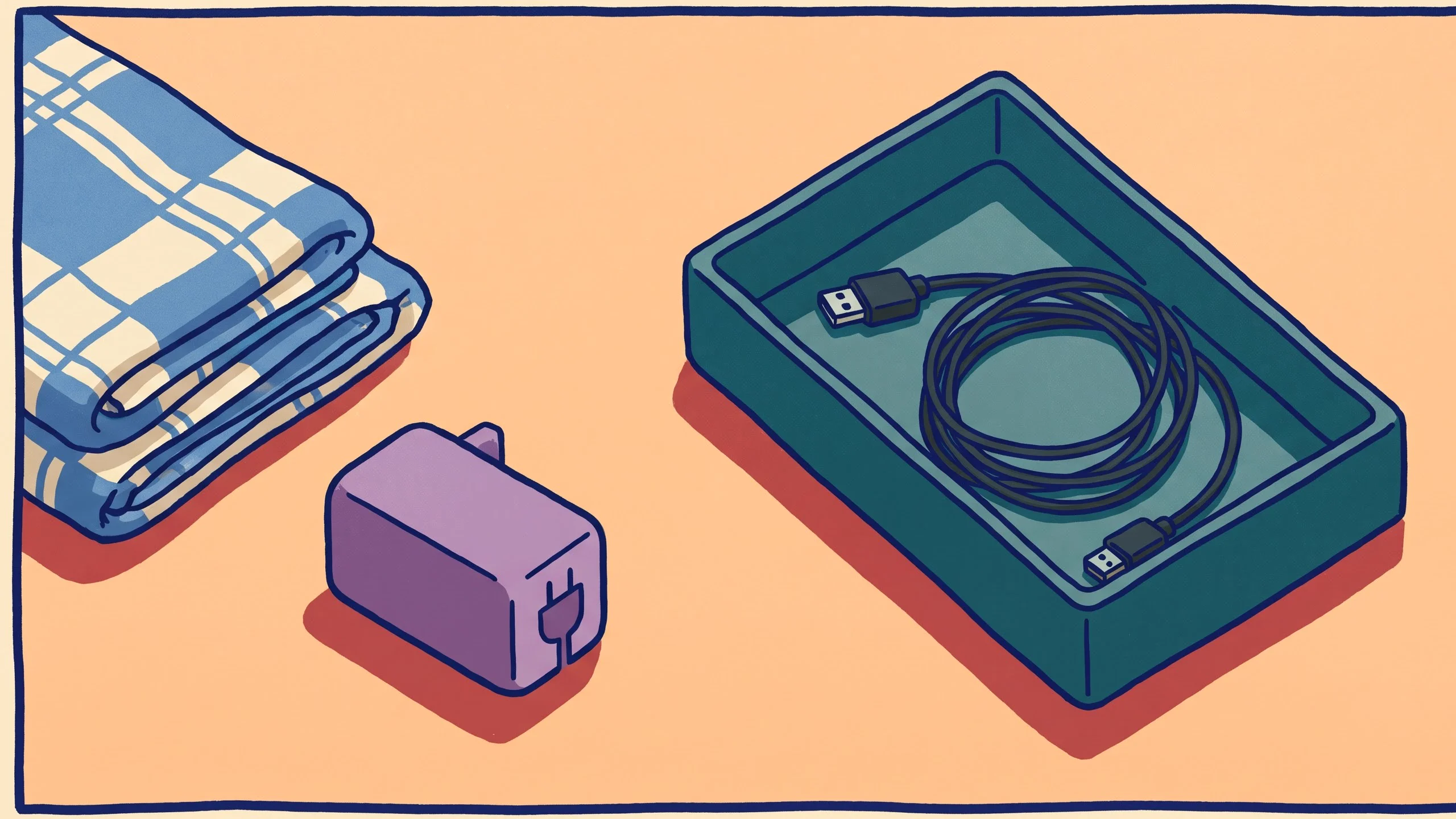
Set up the charger away from the sink, bath or shower. Make sure your hands are dry before you handle the power adapter. Electrical Safety First advises against running an extension lead into a bathroom to power an appliance. If you usually charge several things overnight, give this cable a separate place so you can find the right one without moving it into the bathroom.
If the manual says to remove a cover to charge, check underneath it as part of the drying routine. Water caught in an edge or recess can be hard to see from above. Use the maker’s drying method and inspect the area again in good light. If you spot moisture or residue, leave the connector disconnected and finish drying before charging.
Try three water-exposure scenarios
Can I leave a splashproof wand in a bowl while I wash up?
A bowl puts water around the device. Splash protection covers water hitting the outside in splashes. Keep the wand out of the bowl and use the cleaning method in its care guide.
My device says IPX7. What about a direct shower spray?
IPX7 is an immersion test. Check for explicit shower directions or a separate jet rating. If you can only find the immersion rating, ask the maker before using it under the spray.
Two devices say IPX8. Can I use them at the same depth?
Look up the depth and duration for each model. If either set of instructions leaves the limits unclear, ask the manufacturer for the conditions it specifies for that device.
If it got wetter than the manual allows
Leave an unplugged device disconnected from power if it went beyond its stated limits. A dry-looking exterior gives you little information about the inside. Ask the maker what to do for the model and describe what happened. Include whether the device was under water, how long it was there and whether any cover had been removed.
Check the casing and the area around any cap for damage after a drop. The Tango X manual advises stopping use if a component is damaged or if the cover cracks or deteriorates. If a cap has loosened or a seal looks torn, keep the device dry and ask the manufacturer about repair or replacement.
Quick check
Does the X in IPX7 tell you whether an enclosure is dust-tight?
Yes, X gives the dust protection rating
The first position is left unspecified when it contains X. Look for a separate solids rating if dust protection matters.
No, the first position is unspecified
The 7 describes the water protection test. The X leaves the solids and access position unspecified.