On this page
The short answer
Choose rechargeable sex toys for consistent motor power, deeper rumbly vibrations, seamless waterproofing, and lower lifetime costs. Choose battery-powered toys only if you have a strict upfront budget under £15 or need an emergency high-street purchase where you cannot wait to charge.
Side by side
| Detail | USB Rechargeable (Lithium-ion) | Battery-Powered (AA / AAA Alkaline) |
|---|---|---|
| Upfront Cost | £35 to £150+ depending on features | £10 to £25 on the UK high street |
| Motor Power Consistency | Consistent voltage and torque until battery depletes | Power and speed steadily degrade as battery voltage drops |
| Ongoing Running Costs | Pennies per charge from a standard USB plug | £5 to £8 per multi-pack of branded AA/AAA batteries |
| Waterproof Integrity | Hermetically sealed body or magnetic charging pins (IPX7) | Screw-cap battery compartment relies on rubber O-ring seal |
| Airport Security (UK Flights) | Must be carried in hand luggage / cabin bag (CAA rules) | Can be packed in hold luggage if batteries are removed |
When browsing wellness displays at Boots, Superdrug, or online retailers like Lovehoney, one of the first design choices you will face is power source: should you buy an affordable model that takes standard AA or AAA batteries, or invest in an internal USB rechargeable unit?
While disposable battery toys often boast attractive entry-level price tags—frequently between £10 and £20—the differences in motor performance, acoustic tone, long-term costs, and water safety are substantial.
The voltage curve: Consistent torque vs gradual fading
The biggest physical difference during use is how the motor behaves over time:
- Rechargeable Lithium-ion Cells: Lithium-ion batteries maintain a nearly flat voltage discharge curve. Whether the battery is at 90% or 20% capacity, it supplies a steady 3.7 volts to the internal motor. This means the vibrations feel just as deep, punchy, and rumbly forty minutes into a session as they did during the first sixty seconds.
- Disposable Alkaline Batteries (AA / AAA): A fresh alkaline battery starts at 1.5 volts. However, as soon as a high-drain vibrator motor starts drawing power, the chemical voltage steadily drops down toward 1.2V and eventually 1.0V. As voltage drops, the motor spins slower and loses physical torque. The vibration becomes weak, shallow, and buzzy. Users frequently find themselves twisting dials or swapping batteries mid-session to regain the sensation they started with.
The true cost equation over 12 months
A £15 battery-operated bullet appears much cheaper on paper than a £50 rechargeable device. However, high-frequency vibrator motors consume substantial power.
- If you use your toy two to three times a week for twenty minutes per session, a pair of AAA batteries will typically last about three to four weeks before motor power noticeably degrades.
- Over a year, you will consume roughly 24 to 36 disposable batteries.
- At typical UK supermarket prices (£5 to £7 for an eight-pack of reliable Duracell or Energizer batteries), you will spend between £15 and £30 per year on replacement batteries alone.
- Within 12 to 18 months, the ongoing cost of disposable batteries completely wipes out any initial savings.
A rechargeable device costs less than 2p of domestic UK electricity per full charge. After thirty charges, the rechargeable device has essentially paid for its premium.
Sealing, waterproofing, and shower safety
How a toy is powered directly impacts its water resistance:
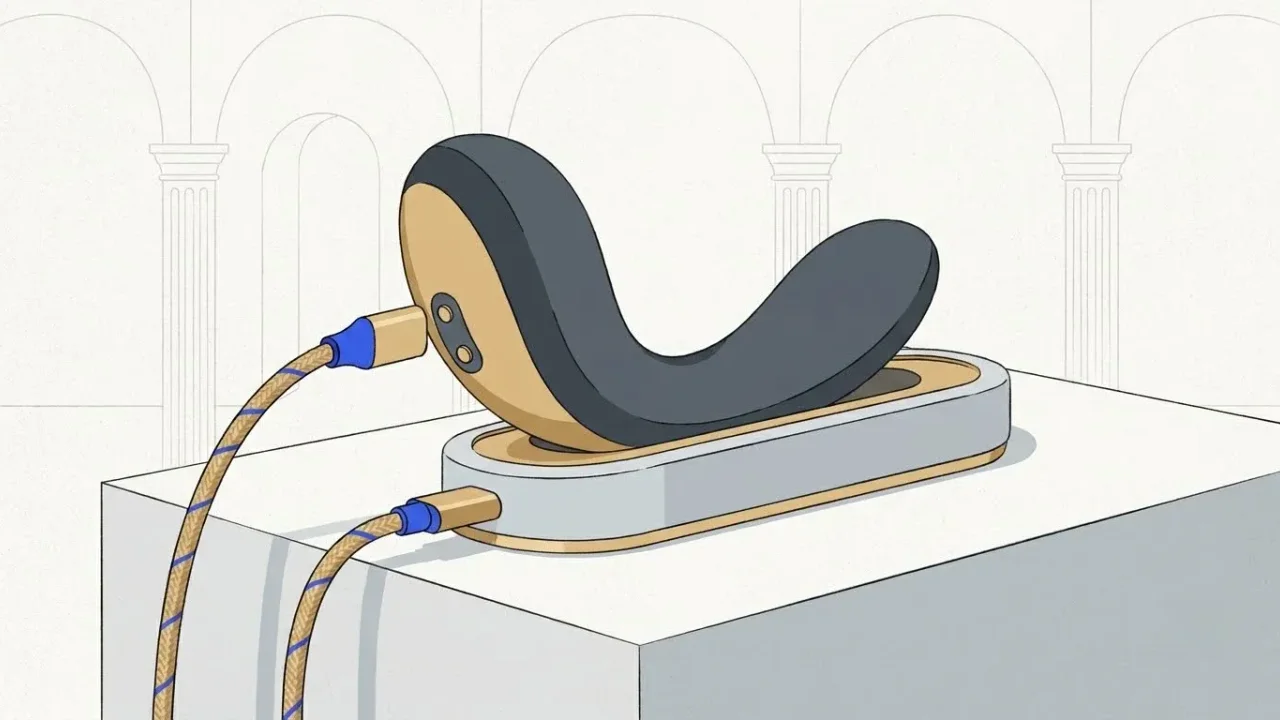
- Rechargeable Models: Because there is no need to open the casing to replace cells, manufacturers can hermetically seal the silicone shell around the motor. Charging is handled through magnetic pins on the surface or a self-healing silicone pinhole port. This architecture easily achieves an IPX7 waterproof rating, allowing safe, immersion-proof use in baths and showers.
- Battery-Powered Models: Battery toys require an opening—usually a threaded screw-cap at the base. To keep water out, they rely on a tiny rubber O-ring inside the screw threads. If that rubber ring gets stretched, pinched, dried out, or threaded crosswise, water will seep into the battery chamber. Water contact causes battery acid leakage, contact corrosion, and permanent electrical failure.
UK travel and airport security regulations
If you plan to take your intimate wellness device on holiday from UK airports, battery type determines how you must pack:
Under UK Civil Aviation Authority (CAA) and international aviation rules:
- Rechargeable Devices (Lithium-ion): Must be packed in your hand luggage (cabin baggage). Lithium batteries carry a small risk of thermal runaway and are restricted from aircraft cargo holds. Always engage the travel lock before packing.
- Battery-Powered Devices: Can be packed in either hold luggage or hand luggage, provided the batteries are removed from the device before travel. Removing the batteries eliminates the risk of the toy turning on accidentally inside a suitcase and alerting baggage handlers.
Decision verdict: Which should you choose?
Choose a Battery-Powered Toy if:
- You need a quick, accessible starter device from a local pharmacy for under £18 and have no immediate way to charge.
- You are camping or traveling to remote locations where mains electricity or USB power banks are unavailable.
- You rarely use intimate devices and only want something for occasional novelty.
Choose a USB Rechargeable Toy if:
- You value deep, rumbly vibration that does not fade or slow down during your session.
- You want the freedom of bath or shower use with certified IPX7 waterproof construction.
- You prefer to avoid recurring battery expenses and hazardous household battery waste.
For anyone planning to use an intimate device more than once a month, a modern USB rechargeable vibrator delivers vastly superior reliability, comfort, and long-term value.
Quick check
Why do battery-powered vibrators seem to lose their rumbling power after twenty minutes?
Alkaline batteries experience a voltage drop as they discharge, reducing motor torque
Correct. A standard 1.5V alkaline battery steadily drops down to 1.1V or lower during use, causing the motor to spin slower and lose punch.
The motor automatically shuts off to cool down
Standard battery vibrators have no thermal cutoff circuits. The slowdown is strictly due to declining chemical battery voltage.