On this page
The short answer
A great first kiss is rooted in connection, clear consent, and gentle pacing rather than acrobatic technique. Look for reciprocal proximity cues such as the triangle gaze (eyes-to-lips), ask a confident and charming permission question ('Can I kiss you?'), keep your lips relaxed and soft, and avoid rushing in with excessive tongue. Let your hands rest naturally near your partner's jawline or waist, and laugh off any minor clink of teeth.
Few human experiences are burdened with as much cinematic expectation, nervous anticipation, and sweaty-palmed dread as a first kiss. Cinema paints the moment as an effortless, breathless symphony: eye contact locks, rain starts pouring dramatically, two faces glide together with laser precision, and fireworks erupt in the background.
In the real world, first kisses are frequently a hilarious comedy of errors: nose collisions, the awkward clinking of front teeth, wondering what on earth to do with your hands, or freezing in place wondering if the other person even wants to be kissed.
Here is the liberating truth: a first kiss does not need to be movie-perfect to be unforgettable. Kissing is a collaborative, conversational dance. When you know how to read the green lights, ask with easy charm, and keep your technique soft and relaxed, the pressure evaporates completely.
Bedroom Myth-Busting: "The 100% French Kiss Myth"
Myth: A passionate first kiss requires immediately parting your partner's lips and diving deep with your tongue like a washing machine agitator.
Reality: Surveys in relationship psychology consistently reveal that aggressive, rigid tongue pressure is the number one complaint about bad first kisses. Human lips contain a denser concentration of sensory nerve endings than almost any other part of the body. A truly electrifying first kiss begins with soft, pillowy lip-on-lip contact, gentle pressure variations, and light nibbles. The tongue is an optional dessert to introduce gradually once both partners are locked in rhythmic sync, not a battering ram.
Philematology: The Brain Chemistry of a Kiss
Scientists who study the physiology of kissing—a discipline known as philematology—have found that locking lips is far more than romantic etiquette. It is an evolutionary biological assessment mechanism.
When two mouths touch, your brain processes a flood of sensory data:
- The Neurochemical Rush: Dopamine (the craving and reward hormone) floods your brain, producing a euphoric high. Simultaneously, oxytocin (the attachment hormone) deepens emotional trust, while cortisol (the stress hormone) drops sharply.
- Sensory Innervation: The lips and tongue occupy an enormous proportion of the brain’s somatosensory cortex compared to the rest of the body. A single feather-light brush of the lips transmits more real-time neurological data than touching someone’s shoulder with your entire hand.
In short: your body is hardwired to enjoy this. You do not need to overthink the mechanics; your nervous system already knows what to do.
Reading the Signals: The Triangle Gaze & Proximity
How do you know when the moment is actually right, rather than making an awkward leap across a physical canyon?
Look for the classic non-verbal “green lights”:
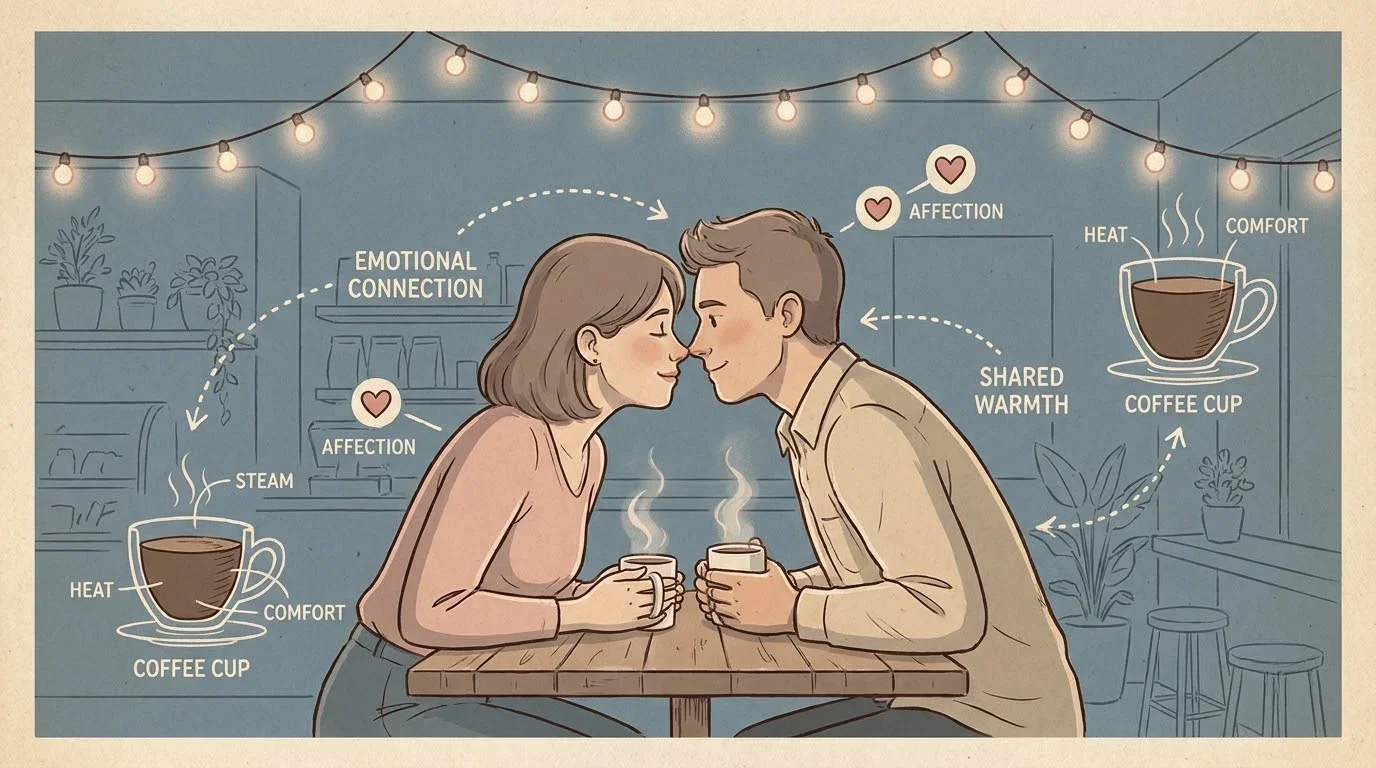
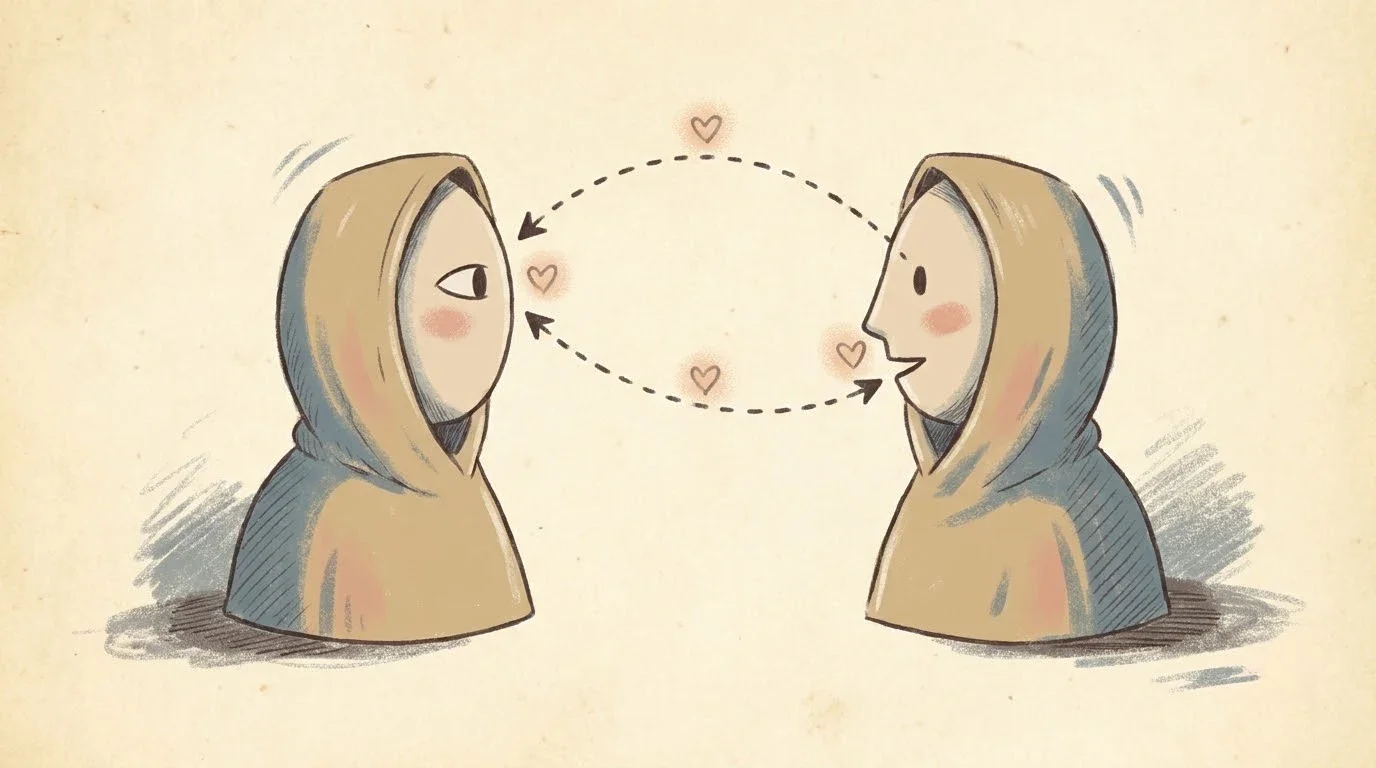 Figure 1: The triangle gaze: naturally shifting your focus between your partner’s left eye, right eye, and lips signals romantic attraction.
1. The Triangle Gaze
When a conversation shifts from casual chatter to romantic chemistry, watch their eyes. If a partner repeatedly glances from your left eye, to your right eye, and drops their gaze down to your lips before returning to your eyes, they are subconsciously signaling kissing interest.
2. The Proximity Test
Notice how close they choose to sit or stand. If they lean in close, brush their shoulder against yours, or linger in your personal space without stepping back, they are comfortable with physical intimacy.
3. The Lull in Conversation
A sudden, comfortable silence where neither person rushes to fill the quiet, accompanied by soft eye contact, is the universe’s natural runway for a kiss.
The Sexiest Move: How to Ask Permission with Charm
Pop culture has sold the dangerous lie that asking for consent “ruins the spontaneous mood”. In reality, asking is one of the most attractive, confident, and tension-melting things you can do.
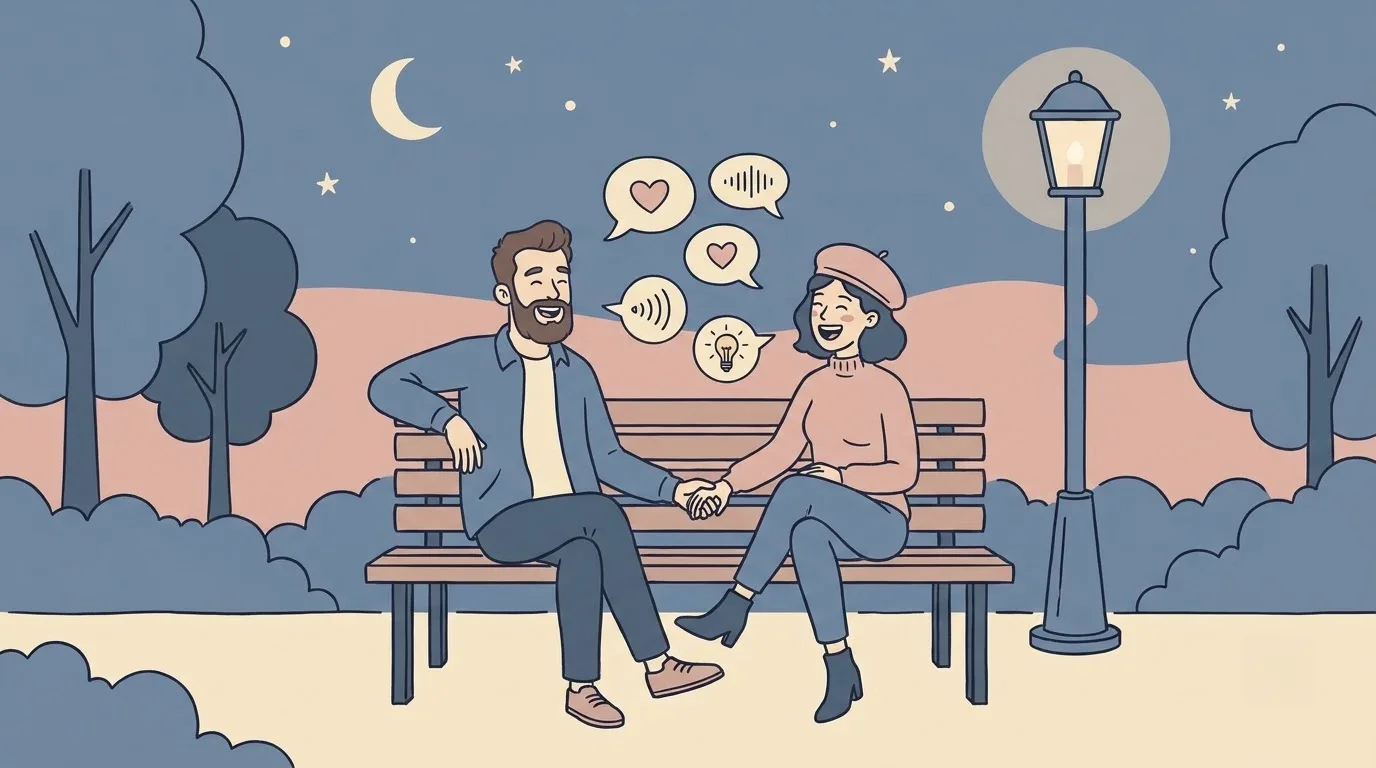 Figure 2: Asking for a kiss with warmth and eye contact eliminates second-guessing and establishes mutual enthusiasm.
You do not need to sound like a bureaucrat reading a contract. Try these smooth, authentic phrases:
- “I really want to kiss you right now. Can I?”
- “Would it be okay if I kissed you?”
- “I’ve been thinking about kissing you all evening.”
Delivered with a soft smile and steady eye contact, these lines eliminate all second-guessing. If the answer is an enthusiastic yes, the anticipation immediately doubles. If the answer is “not yet”, nobody is left embarrassed or violated.
The Mechanics: Soft Lips, Gentle Pacing, & The Tongue Trap
When the moment arrives and you lean in, keep these physical principles in mind:
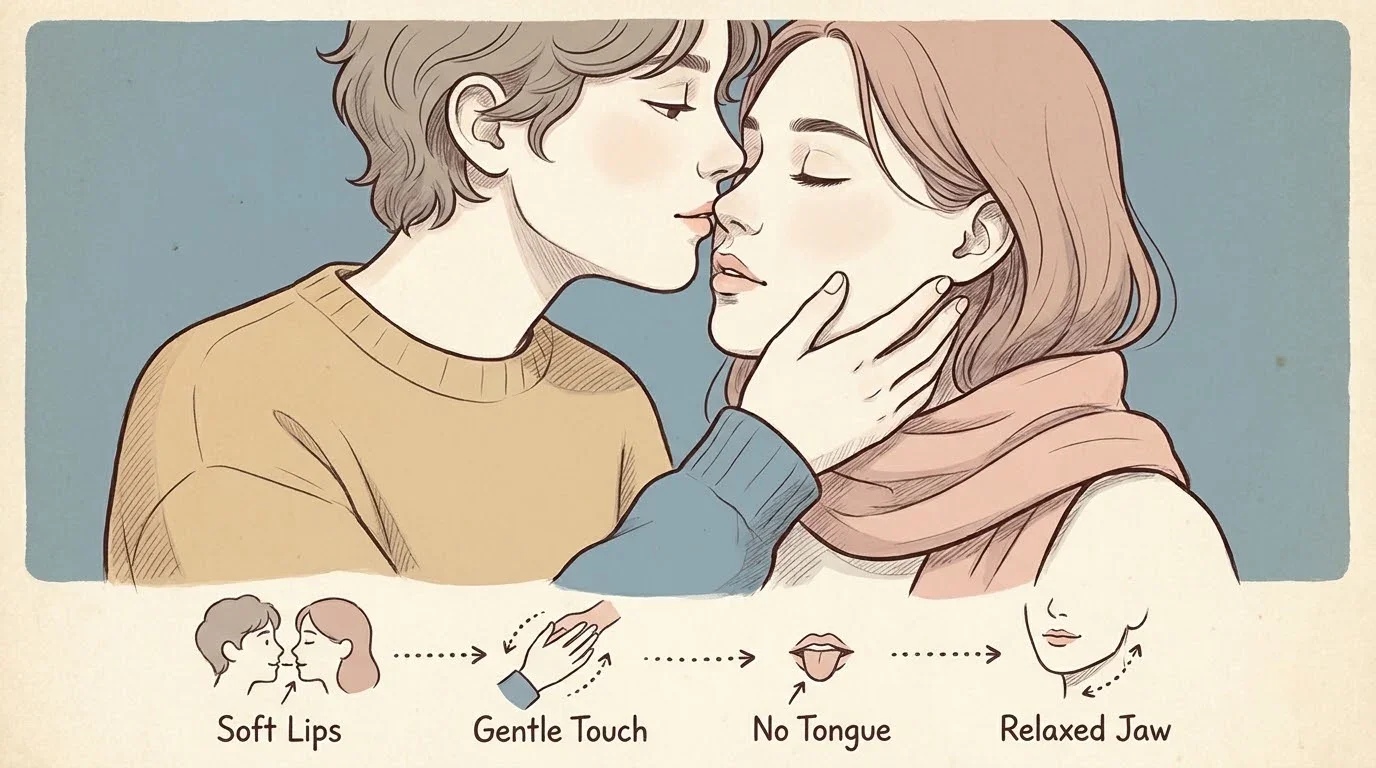 Figure 3: Keep your lips soft and slightly parted, matching your partner’s pressure like a gentle partner dance.
- Keep Your Lips Soft and Slightly Parted: Do not purse your lips like you are kissing your elderly aunt on the cheek, and do not open your mouth wide like you are visiting the dentist. Relax your facial muscles. Your lips should be soft, pillowy, and parted just a fraction.
- Tilt Your Head Slightly: Tilt your head in the opposite direction of your partner (usually to your right) so your noses slot past each other without colliding.
- Start with the “Lip Lock” Sequence: Place your top lip between their two lips, or let their top lip rest between yours. Apply gentle, warm pressure for two to three seconds, pull back a centimetre, and repeat with the opposite lip.
- The 90/10 Rule for Tongues: If the kiss is going wonderfully and you want to deepen the sensation, lightly brush the tip of your tongue against their bottom lip or the tip of their tongue. If they respond and reciprocate, follow their rhythm. If they keep their lips closed, withdraw the tongue and stay with soft lip contact.
Where Do My Hands Go?
The single biggest source of first-kiss panic is hand paralysis: standing with your arms awkwardly pinned to your sides like a wooden soldier.
Natural, supportive hand placements include:
- The Jawline Cup: Gently rest one hand on the side of their neck or cup the curve of their jawline with your fingers resting near their cheekbone. This frames their face intimately and guides the angle gently.
- The Waist or Hip: Resting your hands lightly on the sides of their waist or hips provides a grounded, reassuring anchor.
- The Nape of the Neck: If the kiss deepens, lightly tangle your fingers into the hair at the base of their neck.
🔥 Tap to Reveal Pro-Tips & Confidence Boosters
Pro-Tip 1: The "Hitch" 90/10 Lean
When initiating, lean in 90% of the distance and stop. Let your partner bridge the final 10% to meet you. This gives them absolute agency to lean in eagerly or gently lean back without awkwardness.
Pro-Tip 2: Breath Freshness Without the Panic
You don’t need surgical sanitisation, but common courtesy goes a long way. Carry discreet mints, drink plenty of water to prevent dry mouth, and apply a dab of neutral lip balm so your lips aren't chapped.
Pro-Tip 3: The Slow Pull-Back & Smile
After a sweet first kiss, don't immediately leap back across the room. Pull back just two inches, look into their eyes, and smile. That lingering proximity is often more intoxicating than the kiss itself.
When Teeth Clink: Laughing Off the Clumsy Moments
Even seasoned romantics occasionally bump noses, miscalculate an angle, or clink teeth.
When an awkward moment happens, the absolute best response is a warm, shared laugh.
- Laughing breaks residual performance anxiety in an instant.
- It shows high emotional security: you are enjoying connecting with a human being, not staging an audition for an award.
- Smile, adjust your angle, whisper something playful like “Let’s try that again”, and lean back in.
Frequently Asked Questions
How long should a first kiss last?
A classic first kiss typically lasts between three and ten seconds. Keeping the first touch brief, tender, and sweet leaves both partners wanting more, allowing you to pull back, smile, and naturally lean in for a second, deeper kiss.
What if my partner is a bad kisser?
Kissing styles vary widely. Because people naturally mirror their partner’s physical tempo, the best way to steer a clumsy kisser is to slow your own movements down. Relax your lips, pull back gently from aggressive tongue pressure, and lead by example with softer, slower contact.
Should I close my eyes during a kiss?
Yes, closing your eyes is both a biological reflex and an intimate courtesy. Closing your eyes allows your brain to focus 100% of its processing power on tactile and sensory sensations without visual distraction.
Quick check
What is the 'triangle gaze' technique in body language, and what does it indicate?
Looking from one eye, across to the other eye, and down to the lips, signaling romantic and kissing intent
Spot on! In interpersonal communication, shifting your gaze between a partner's eyes and lips is a universal subconscious cue of romantic attraction and anticipation.
Looking above someone's forehead to appear taller and more authoritative
Looking at the forehead or over someone's head conveys distraction or formal distance, the exact opposite of intimate attraction.