On this page
The short answer
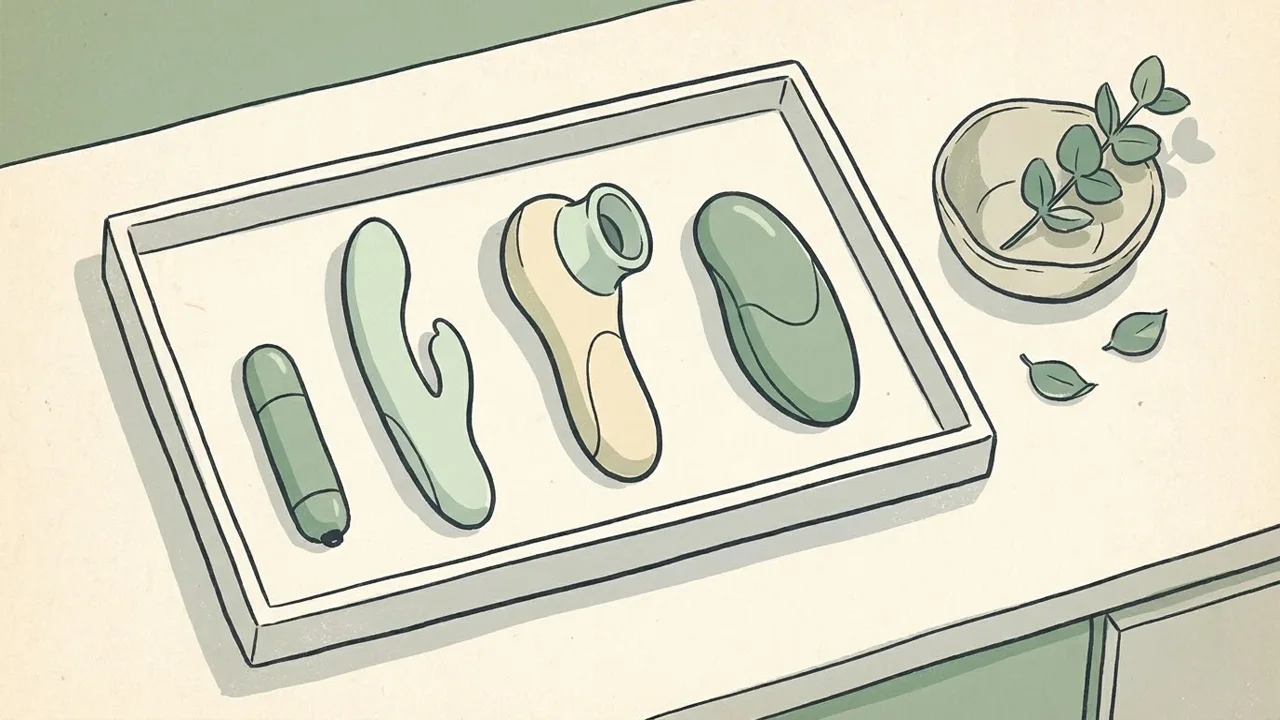
The fundamental divide between silicone and TPE lies in cellular porosity and thermal stability. Medical-grade silicone is 100% non-porous, hypoallergenic, and can be boiled for clinical sterilisation, making it the gold standard for insertables. Thermoplastic Elastomer (TPE) is a porous polymer blend that offers softer, skin-like warmth and pliability, but requires meticulous drying, renewal powder, and strict barrier use to prevent bacterial retention.
When shopping for adult wellness devices, you will immediately notice a striking disparity: two products that look nearly identical on screen can differ in price by $40 to $100 (£30 to £80).
In almost every case, that price divide is dictated by material science: medical-grade silicone versus thermoplastic elastomer (TPE).
Choosing between them is not simply a matter of budget. Your decision fundamentally dictates how the product feels against mucous membranes, how thoroughly it can be sanitised, what lubricants you can safely apply, and whether the toy will last for five years or five months.
Here is the straightforward clinical truth about how silicone and TPE compare across tactile sensation, cellular hygiene, maintenance burdens, and overall value.
1. What Are These Materials Made Of?
To understand how these toys perform in the bedroom, you first need to understand how their molecular chains behave.
Medical-Grade Platinum-Cured Silicone
Silicone is a synthetic polymer composed of alternating silicon and oxygen atoms (a siloxane backbone). In premium intimate products, manufacturers use platinum-cured medical-grade silicone.
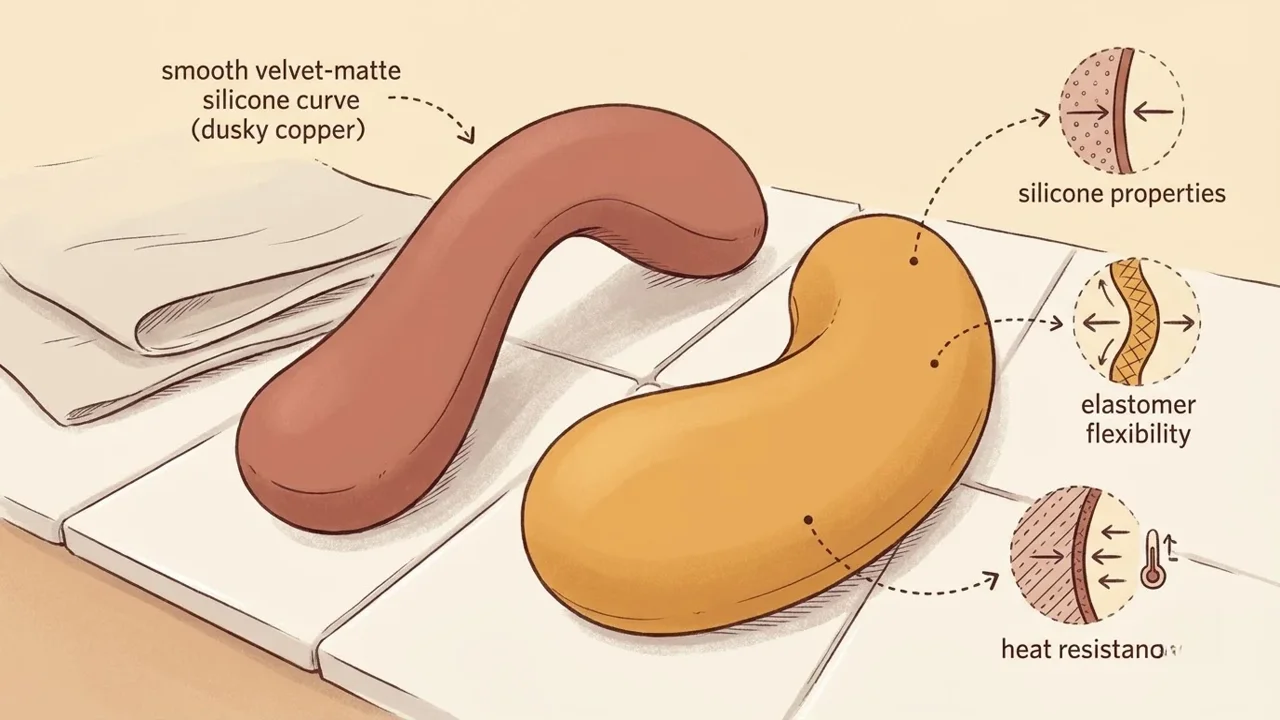
During vulcanisation, platinum acts as a catalyst to link the liquid polymer into a durable, flexible, rubberised solid. This reaction leaves zero oily residue, produces no harmful by-products, and creates a completely non-porous, hydrophobic surface. Medical-grade silicone is hypoallergenic, odorless, body-inert, and resistant to extreme temperature fluctuations.
Thermoplastic Elastomers (TPE & TPR)
Thermoplastic Elastomer (TPE) is a physical copolymer blend of a rigid thermoplastic (such as polystyrene) and an elastic rubber. Unlike silicone, which cures into a permanent thermoset structure, TPE softens when heated and hardens when cooled.
To achieve its famous squishy, supple, flesh-like softness, TPE requires blending with mineral oils and plasticising compounds. While high-grade medical TPE (often branded as SuperSkin or CyberSkin) is skin-safe and phthalate-free, its underlying structure remains micro-porous.
🛑 Bedroom Myth-Busting: The 'All Soft Plastics Are Toxic' Lie
The Myth: "TPE is just cheap toxic plastic and should never be allowed anywhere near human skin."
The Reality: High-grade medical TPE is thoroughly tested, latex-free, and certified body-safe under ISO 3533:2021 standards. It is widely used in hospital catheters, neonatal medical equipment, and prosthetic liners. The real culprit to avoid is unregulated, unbranded TPR (thermoplastic rubber) or "jelly rubber" imported without safety audits, which often contains harmful ortho-phthalate plasticisers that leach into skin.
2. Bodily Sensation: How Do They Actually Feel?
The sensory experience of silicone and TPE represents two completely different tactile philosophies.
TPE: Unrivalled Flesh-Like Realism
TPE’s superpower is its lifelike mimicry of human tissue. It is noticeably softer, more pliable, and more “squishy” than silicone.
Because TPE contains oil polymers, it warms up to natural body temperature within seconds of contact. It also possesses a slight natural grip and textural “give” that creates suction and realistic physical compression. This is why virtually all high-end male masturbators, strokers, and realistic dildos are engineered from TPE.
Silicone: Velvety Smoothness and Structural Firmness
Silicone has a distinct velvety, matte finish that feels sophisticated, cool to the touch initially, and frictionless when paired with lubricant.
However, silicone has greater tensile resistance. Even soft silicone feels firmer and more dense than TPE. It does not compress or “give” in the same yielding manner. This structural integrity makes silicone vastly superior for insertable G-spot or P-spot vibrators, where firm, targeted pressure is required to stimulate deep pelvic nerve bundles.
3. The Porosity Divide: Body Safety & Hygiene
If sensory realism is TPE’s greatest strength, cellular porosity is its Achilles’ heel. This is the single most important health distinction every UK buyer must know.
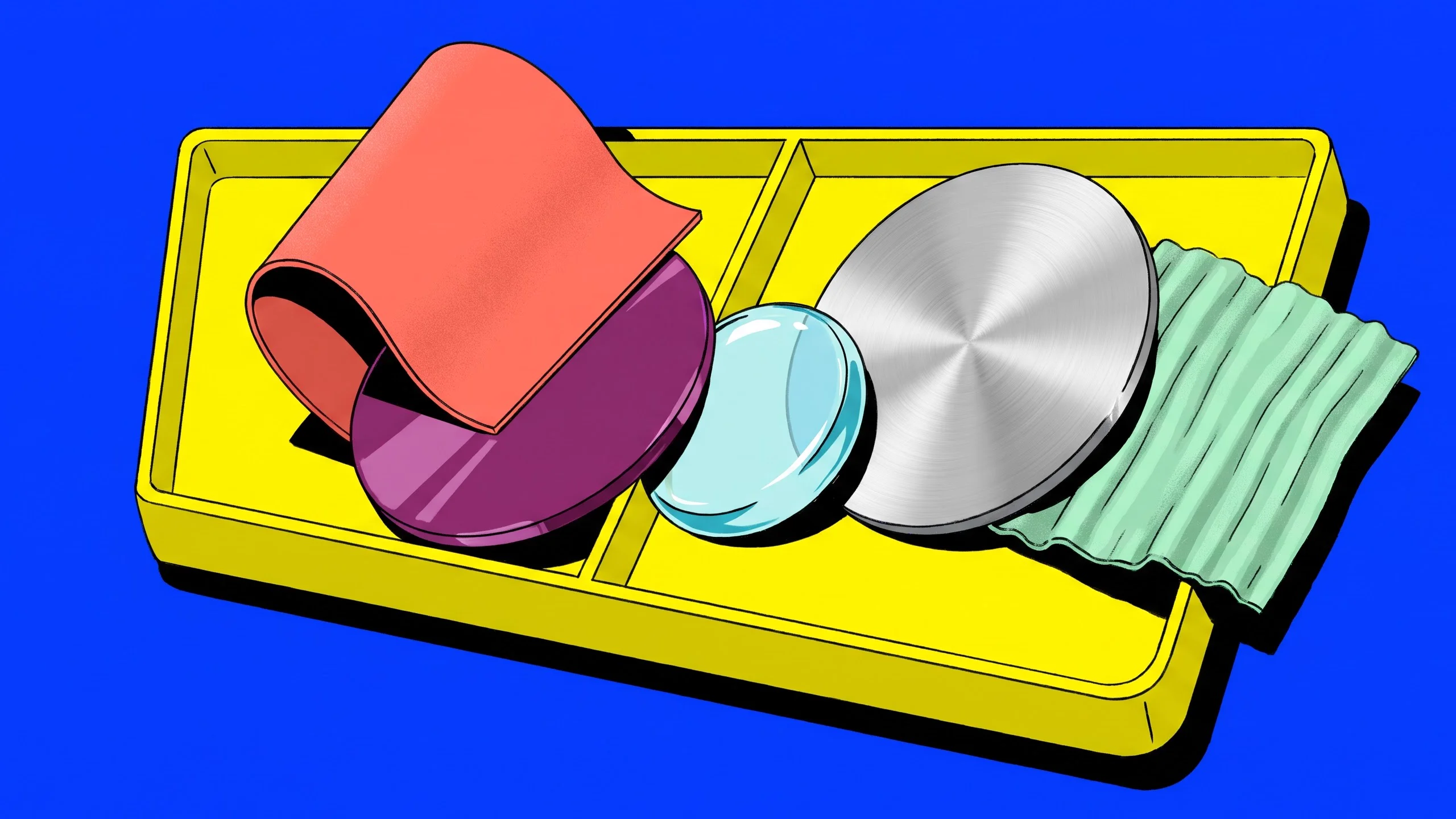
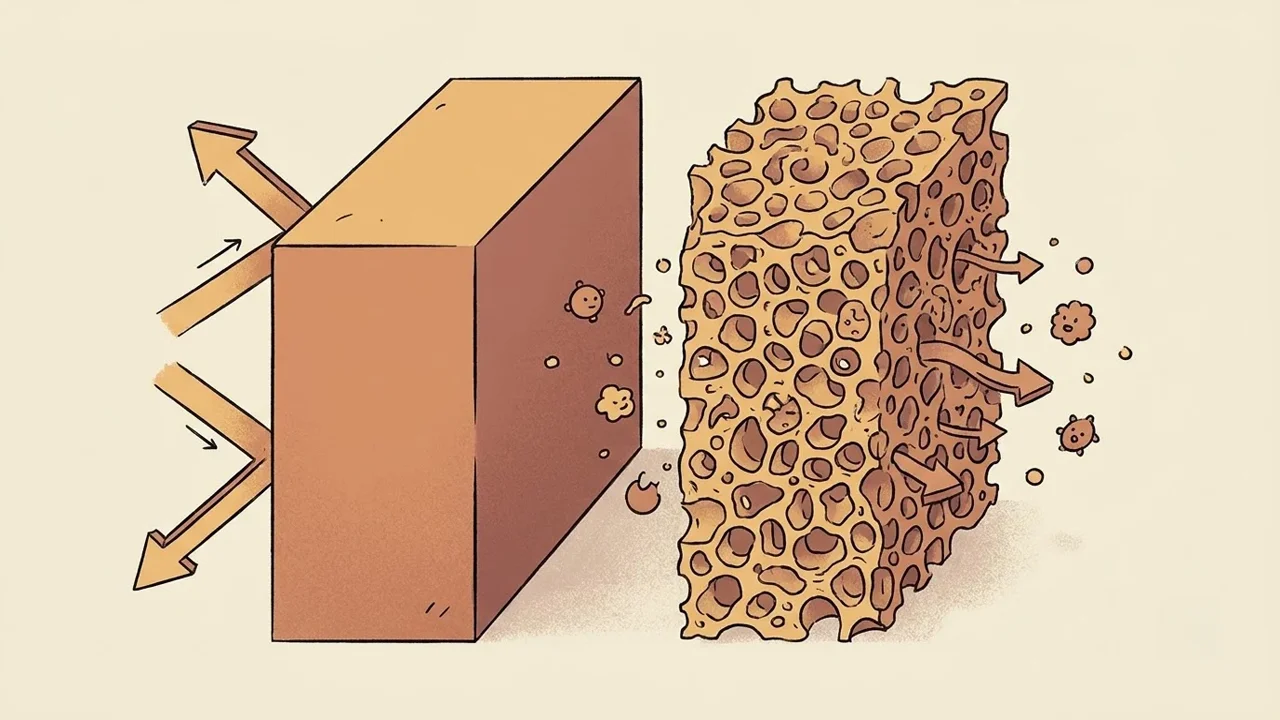 Figure 1: Microscopic structural comparison: Non-porous medical-grade silicone creates a continuous barrier, whereas TPE contains micro-cavities that can trap fluids.
Why Porosity Matters
- Medical Silicone (Non-Porous): The surface is completely impenetrable at a microscopic level. Bacteria, fungal spores, yeast, vaginal secretions, and semen cannot penetrate into the material. Pathogens sit purely on the exterior surface and wash away easily with warm water and soap.
- TPE (Micro-Porous): Under a microscope, TPE looks like a dense sponge filled with millions of microscopic cavities. When bodily fluids, lubricants, and skin cells contact TPE, they can seep into these micropores. If not cleaned immediately and dried with surgical precision, microbial biofilms can form within the material, leading to foul odours, skin irritation, or recurrent bacterial vaginosis.
The Non-Negotiable Barrier Rule
Because of this porosity:
- Never share an unshielded TPE toy between partners. If sharing a TPE dildo or stroker, always roll a fresh, unlubricated or water-lubricated condom over it between uses.
- Never use a damaged or pitted TPE product. Once TPE begins to tear or degrade internally, it cannot be safely disinfected.
4. Cleaning, Sterilisation & Daily Care
How you care for your toys determines whether they last for years or deteriorate into a sticky, unusable mess within weeks.
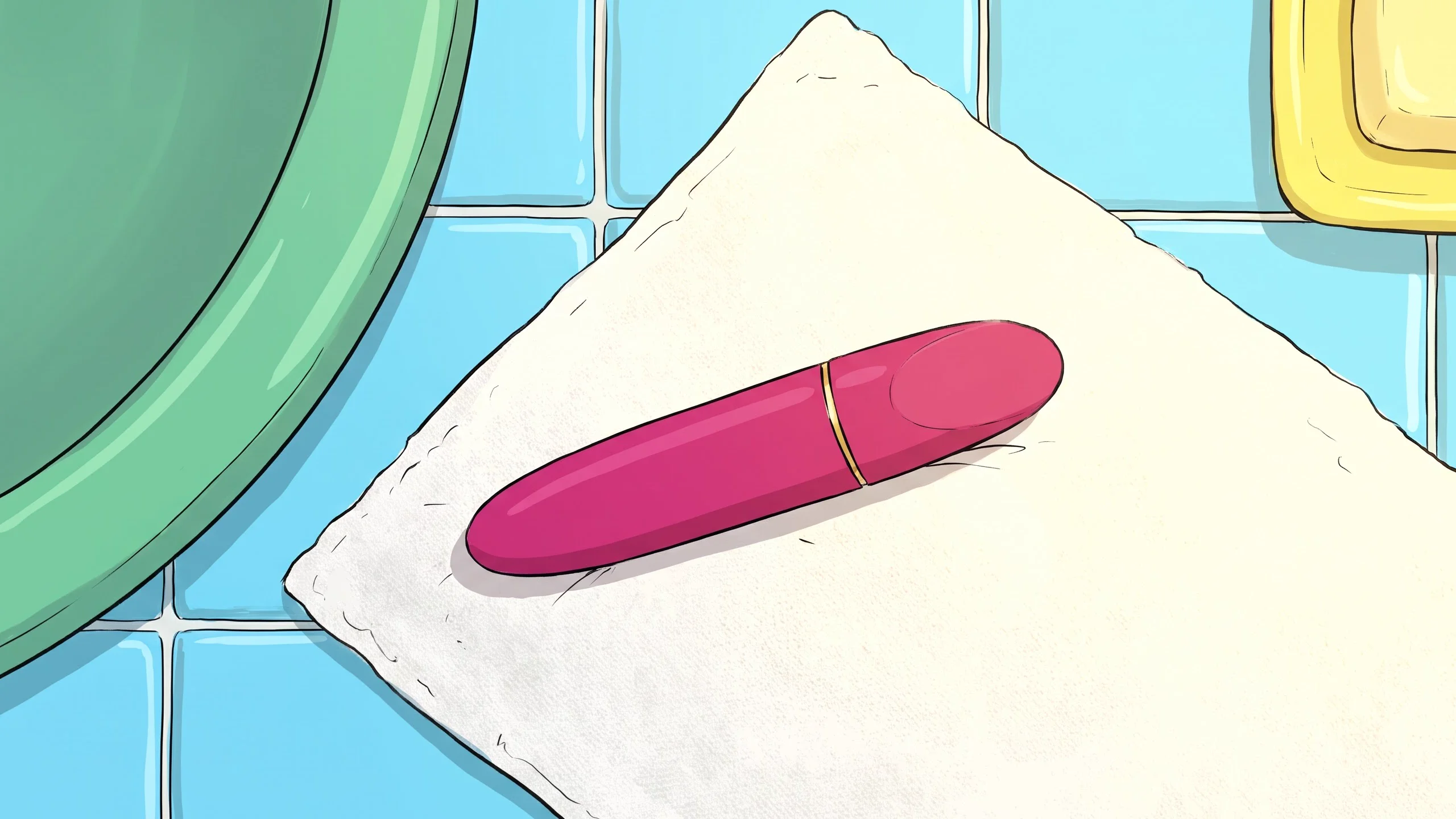
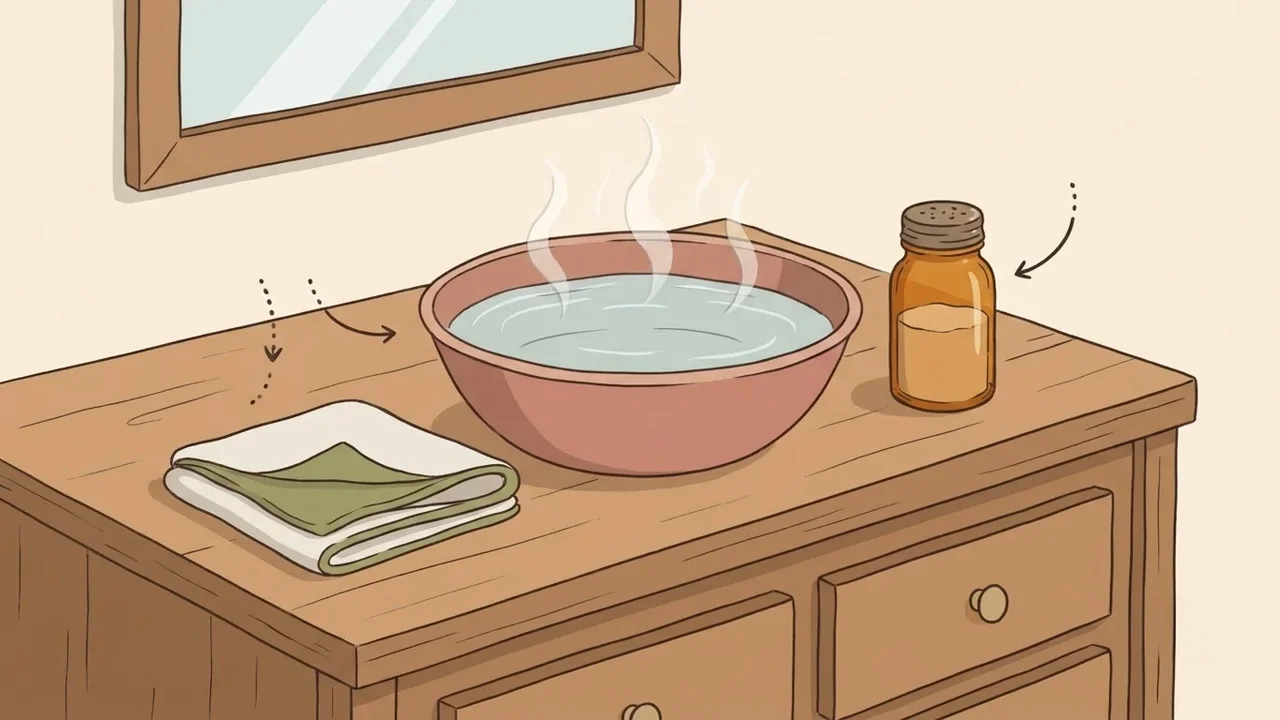 Figure 2: Daily maintenance essentials: Gentle cleansers, lint-free microfiber towels, and pure cornstarch renewing powder.
Sterilisation Thresholds
- Silicone Can Be Boiled: 100% pure silicone toys (without internal batteries or electronic vibrating motors) can be immersed in a pan of rolling boiling water for 3 to 5 minutes for clinical-grade sterilisation. Silicone comfortably withstands heat up to 200°C.
- TPE Will Melt: TPE softens at approximately 50°C to 60°C. Never boil a TPE toy, never run it through a dishwasher, and never leave it on a warm radiator. Hot water will permanently warp the internal texture, collapse sleeves, and liquify the outer elastomer layer.
The Infamous “Stickiness” & The Renewal Powder Rule
Because TPE contains oils that slowly evaporate and attract atmospheric dust, washed TPE becomes uncomfortably tacky and sticky as it dries.
To restore its smooth, velvety finish:
- Wash thoroughly with lukewarm water and a specialized antimicrobial antibacterial toy foam.
- Pat dry thoroughly with a lint-free microfiber towel (paper towels will stick and leave fibrous white shreds).
- Allow to air-dry completely on an open drying rack for 2 to 4 hours.
- Dust the entire toy with pure cornstarch or a branded sex toy renewal powder.
🔥 Tap to Reveal Pro-Tips & Care Hacks
Pro-Tip 1: The Chemical Migration Trap (Never Store Touching)
Never allow a silicone toy and a TPE toy to touch each other in your bedside drawer or storage bag. The plasticisers and mineral oils in TPE will physically migrate across the boundary into the silicone. Within weeks, both toys will melt into each other, creating permanent gummy divots that cannot be repaired. Always wrap them in individual breathable cotton pouches.
Pro-Tip 2: Never Use Baby Powder (Talcum Powder)
When renewing your TPE stroker or dildo, only use pure culinary cornstarch or dedicated toy powder. Never use traditional cosmetic talcum powder, which carries respiratory inhalation hazards and may cause intimate mucosal irritation.
Pro-Tip 3: The Cornstarch Slurry Rinse
After dusting your TPE sleeve with cornstarch, simply give it a quick 2-second rinse under cold running tap water right before your next session. The excess powder washes off instantly, leaving a silk-smooth surface ready for generous water-based lube.
5. Lubricant Compatibility Matrix
Using the wrong lubricant can destroy an expensive adult toy within minutes. Here is how both materials react to different lube bases:
| Lubricant Formulation | Medical-Grade Silicone | Body-Safe TPE / TPR | Clinical Reasoning |
|---|---|---|---|
| Water-Based | ✅ 100% Safe & Recommended | ✅ 100% Safe & Mandatory | Completely inert; rinses off cleanly without degrading synthetic polymers. |
| Silicone-Based | ❌ Destructive (Do Not Use) | ⚠️ Caution / Avoid | Silicone lube fuses with silicone toys, causing pitting and melting. On TPE, it causes swelling and greasy residue. |
| Oil-Based (Coconut/Mineral) | ⚠️ Safe for Pure Silicone | ❌ Catastrophic (Do Not Use) | Petroleum and plant oils dissolve the polymer bonds of TPE, turning it gummy and ruined. |
| Hybrid (Water + Silicone) | ❌ Avoid | ⚠️ Avoid | Even low concentrations of dimethicone will degrade silicone surfaces over time. |
6. International Product Comparison & Material Benchmark
To help contextualize these materials in live consumer markets, here is how typical product categories compare across verified US and UK price benchmarks:
| Material / Product Class | 🇺🇸 US Price (USD) | 🇬🇧 UK Price (GBP) | Best Suited For | Where to Buy (US & UK) |
|---|---|---|---|---|
| Medical-Grade Platinum Silicone (e.g., LELO, We-Vibe, Lovehoney) |
$45 – $180 | £35 – £140 | Insertable vibrators, G-spot wands, couples toys, and zero-fuss hygiene. | 🇺🇸 Lovehoney US 🇬🇧 Lovehoney UK / Bondara |
| Body-Safe Realistic TPE / SuperSkin (e.g., Fleshlight, Tenga Flip) |
$25 – $80 | £18 – £65 | Male masturbators, realistic strokers, and natural body-warmth tactile play. | 🇺🇸 Fleshlight US 🇬🇧 Bondara / Lovehoney UK |
| Dual-Density Hybrids (Silicone Core + TPE Sleeve) (e.g., Nexus, Fun Factory) |
$65 – $150 | £55 – £125 | Advanced users seeking rigid internal pressure with ultra-soft, realistic external cushioning. | 🇺🇸 Lovehoney US 🇬🇧 Sinful UK |
7. The Final Verdict: Which Should You Choose?
Interactive Decision Check: Which material fits your intimate lifestyle?
Frequently Asked Questions
Does TPE have an unpleasant chemical smell?
High-grade medical TPE has a very faint rubberised scent when brand new out of the box, which dissipates after the first wash in warm soapy water. Cheap, unregulated TPR or PVC toys, by contrast, often emit a sharp, pungent chemical or petroleum odour caused by volatile organic compound (VOC) outgassing. If a toy smells strongly of petrol or industrial solvent, do not use it on your skin.
How long does a TPE sex toy typically last?
With proper care (hand-washing in lukewarm water, complete air-drying, regular cornstarch dusting, and storage in a cool, dry UK environment), a high-quality TPE sleeve will last between 1 to 2 years of regular use. Medical-grade silicone, under identical usage conditions, typically lasts 5 to 10 years without losing elasticity or surface integrity.
Can I clean my TPE toy with fairy liquid or washing-up liquid?
Avoid dish soaps and harsh household detergents. Dish soap contains heavy degreasing surfactants designed to strip food oils; on TPE, it strips the internal plasticising mineral oils, causing the elastomer to crack, stiffen, and dry out prematurely. Use a dedicated pH-balanced antibacterial sex toy foam cleaner or mild, unfragranced liquid hand soap.
Sources, Research Methodology & Editorial Disclosures
- ISO 3533:2021: International Organization for Standardization specification for non-porous testing, tensile durability, and chemical safety in consumer intimate products.
- British Association for Sexual Health and HIV (BASHH): Clinical guidance regarding sexually transmitted infection (STI) transmission vectors and non-porous barrier recommendations.
- International Society for Sexual Medicine (ISSM): Intimate health education and material safety assessments regarding polymer biocompatibility.
- Affiliate Disclosure: FlingZoe is an independent editorial publication. Some links on this page may generate an affiliate commission if you choose to purchase through them, at zero additional cost to you. We do not accept sponsored product placements or paid positive verdicts.
Quick check
Why must a silicone sex toy never be stored in direct physical contact with a TPE sex toy inside the same bedside pouch?
Chemical plasticisers in the TPE migrate into the silicone, causing both surfaces to melt, pit, and liquefy permanently
Spot on! Plasticiser migration across polymer boundaries causes cross-contamination, permanent sticky pitting, and material degradation.
The silicone will absorb moisture from the air and dry out the TPE elastomer prematurely
Silicone is completely hydrophobic and inert; the real danger is chemical plasticiser migration melting both toys.