On this page
The short answer
No Nut November (NNN) is an annual internet challenge where participants voluntarily abstain from masturbation and ejaculation throughout November. While proponents claim superhuman focus and testosterone spikes, urological science paints a more nuanced picture. Semen retention offers a brief testosterone blip around day seven before returning to baseline, and regular ejaculation is clinically linked to reduced prostate cancer risk. If you participate, view it as a mindful reset on compulsive habits rather than a biological panacea.
Every year as autumn leaves fall and Halloween pumpkins are swapped for festive holiday decor, a peculiar ritual sweeps across social media feeds, university dorms, and group chats. It is called No Nut November (frequently shortened to NNN), a 30-day internet challenge in which participants pledge total abstinence from masturbation, sex, and ejaculation from 1 November until 1 December.
What began in 2011 on Reddit and Urban Dictionary as a satirical meme has morphed into a cultural phenomenon. Along the way, it picked up elements of the ‘NoFap’ movement, semen retention mysticism, and gym-bro folklore claiming that thirty days of holding back your climaxes will grant you laser-focused productivity, an enviable jawline, and god-tier confidence.
But what does actual urological and endocrine science say? Is abstaining from ejaculation for a full month a healthy mental discipline, or is it a biological mistake that leaves you cranky with pelvic ache?
Here is an honest, shame-free look at the physiological facts behind the November challenge.
TL;DR: The Science in 60 Seconds
Before you lock away your adult toys or torture yourself through 30 days of cold showers, here is the medical reality at a glance:
- The Testosterone Spike Is Temporary: Testosterone does experience a mild surge around day seven of abstinence, but it quickly stabilizes and returns to your personal baseline. It does not compound indefinitely.
- Ejaculation Flushes the System: Regular ejaculation acts like a biological clean-out cycle for the prostate gland, clearing cellular debris and prostatic fluid.
- Physical Discomfort Is Normal: Prolonged sexual arousal without climax can cause temporary aching in the scrotum (epididymal hypertension), which resolves with rest or release.
- The Real Value Is Behavioral, Not Hormonal: If you use solo play compulsively out of boredom, loneliness, or avoidance, taking a deliberate break can recalibrate your dopamine receptors and restore mindfulness.
Testosterone Superpowers: Biology vs Forum Folklore
The central claim circulating on fitness forums and TikTok videos is that semen retention turns ordinary men into hyper-masculine titans brimming with testosterone.
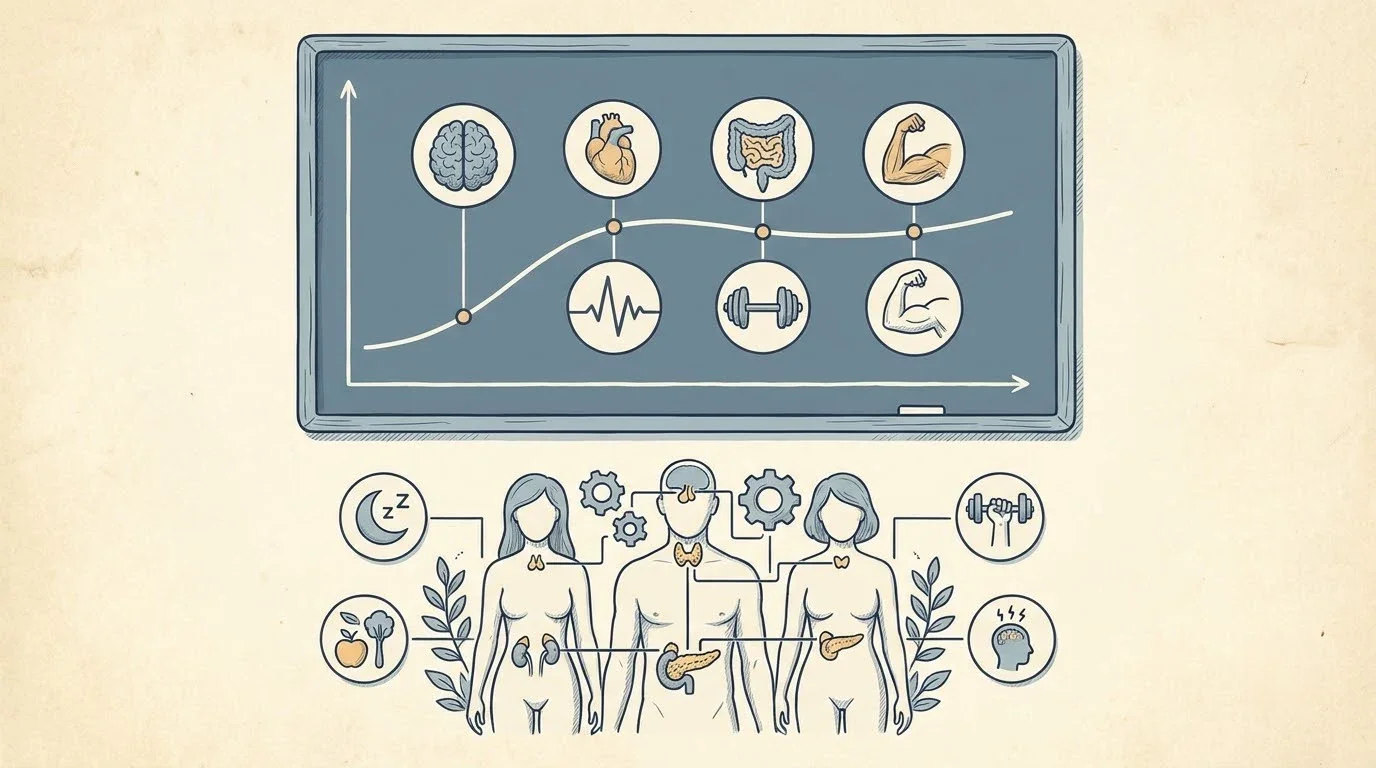
This belief largely stems from a frequently misquoted 2003 study conducted at Zhejiang University. Researchers tracked hormone levels in male participants who abstained from ejaculation. On the seventh day of abstinence, the researchers recorded a distinct spike in serum testosterone (approximately 145.7% of baseline).
The internet ran with this single statistic, assuming that if seven days produced a 145% spike, thirty days must produce astronomical gains.
However, proponents conveniently omit what happened next in the clinical data: after day seven, testosterone levels plateaued and subsequently returned to baseline. The human endocrine system operates on intricate negative feedback loops: when hormone levels rise above what your body requires, the pituitary gland throttles luteinising hormone production to restore natural equilibrium. You cannot hack your hormonal set-point simply by crossing your legs.
🛑 Bedroom Myth-Busting: Semen Retention Claims
The Myth: "Retaining semen preserves your vital life force energy (Ojas or Chi) and prevents physical exhaustion."
The Reality: Semen is not a magical life-force battery. It is composed primarily of water, citric acid, fructose, enzymes, and zinc, manufactured continuously by the testes and seminal vesicles. When you do not ejaculate, your body simply breaks down older sperm cells through a natural cellular process called phagocytosis, recycling their constituent proteins, or expels them harmlessly during sleep via nocturnal emissions (wet dreams).
Epididymal Hypertension: The Truth About ‘Blue Balls’
Anyone who has ever experienced prolonged erotic stimulation without an eventual climax is familiar with the dull, heavy ache in the lower pelvis and scrotum. While colloquially termed ‘blue balls’ (and its vulva counterpart, ‘blue vulva’ or pelvic congestion), the clinical condition is known as epididymal hypertension.
During sexual excitement, the autonomic nervous system dilates blood vessels feeding the genital tract, causing arterial blood to rush into the erectile tissues and testes. At the same time, the exit veins constrict, trapping oxygen-rich blood to maintain tumescence.
If ejaculation occurs, smooth muscle contractions propel fluid outward, and venous valves open immediately, returning blood to the systemic circulation.
If stimulation stops abruptly without release, that pool of blood remains stagnant in the pelvic vascular bed. Over several hours, the excess fluid causes transient pressure in the epididymis (the coiled tube behind each testicle), producing a genuine ache. While harmless and temporary, it can be thoroughly uncomfortable. The solution is simple: a warm bath, resting horizontally, or a mindful release.
Prostate Health: The 21-Per-Month Benchmark
From a preventative medicine perspective, completely shutting down ejaculation runs counter to major epidemiological evidence.
In 2016, researchers at the Harvard T.H. Chan School of Public Health published landmark findings from an 18-year cohort study following nearly 32,000 men. The study discovered a profound statistical link between ejaculation frequency and prostate wellness:
- Men who ejaculated at least 21 times per month had a 20% to 33% lower risk of prostate cancer compared to those who ejaculated only 4 to 7 times monthly across multiple age brackets.
The prevailing medical hypothesis is the prostatic stagnation theory: frequent ejaculation regularly flushes potentially carcinogenic secretions, cellular debris, and calcifications from the prostate gland, preventing toxic accumulation in the prostatic ducts.
While taking thirty days off for November is unlikely to cause irreversible harm, chronic long-term abstinence offers zero verified urological advantages.
The Genuine Benefit: Mindful Habit Resets
If the hormonal claims are mostly fiction, why do so many participants report feeling genuinely clearer and more energized during No Nut November?
The answer lies in behavioral psychology and dopamine mechanics.
For many people, masturbation has slipped from a joyful celebration of bodily pleasure into an unconscious, compulsive reflex. It becomes an automatic coping mechanism used to escape boredom, numb workplace stress, procrastinate on difficult tasks, or fall asleep when scrolling on a phone in bed.
When you strip away an automatic default habit for 30 days:
- You Confront Boredom: You are forced to notice the emotional triggers that previously drove you to grab your phone and seek an instant dopamine hit.
- Dopamine Sensitivity Recalibrates: When you dial down high-stimulation media, smaller everyday pleasures (a brisk morning walk, finishing a good book, engaging in genuine conversation) feel noticeably more rewarding.
- Heightened Libido Returns: Stepping back from daily repetition restores baseline sexual desire and anticipation.
Interactive Check: What Kind of Reset Do You Need?
How does your solo intimacy habit feel right now? Tap to assess:
Habit Approaches Compared
| Approach | The Rule | Mental Benefit | Physical Drawback | Verdict |
|---|---|---|---|---|
| Strict NNN | Zero ejaculation for 30 consecutive days | Tests willpower and breaks routine | Scrotal ache, irritability, nocturnal emissions | Overly rigid and unnecessary |
| Porn-Free Reset | Solo play allowed, but only using personal imagination | Resets dopamine and fantasy reliance | Requires patience to rebuild mental eroticism | Highly recommended by sex therapists |
| Fewer Nuts November | Reduce frequency to 1–2 mindful sessions weekly | Prevents compulsive boredom play | None; preserves prostate flushing | The balanced, sustainable winner |
| Business as Usual | Follow natural desire whenever arousal arises | Zero stress, natural biological pacing | May perpetuate unconscious scrolling habits | Fine if habits are already balanced |
Fewer Nuts November: The Healthier Middle Ground
If you want the psychological clarity of breaking an unconscious habit without the scrotal ache, irritability, and guilt of arbitrary failure, adopt Fewer Nuts November:
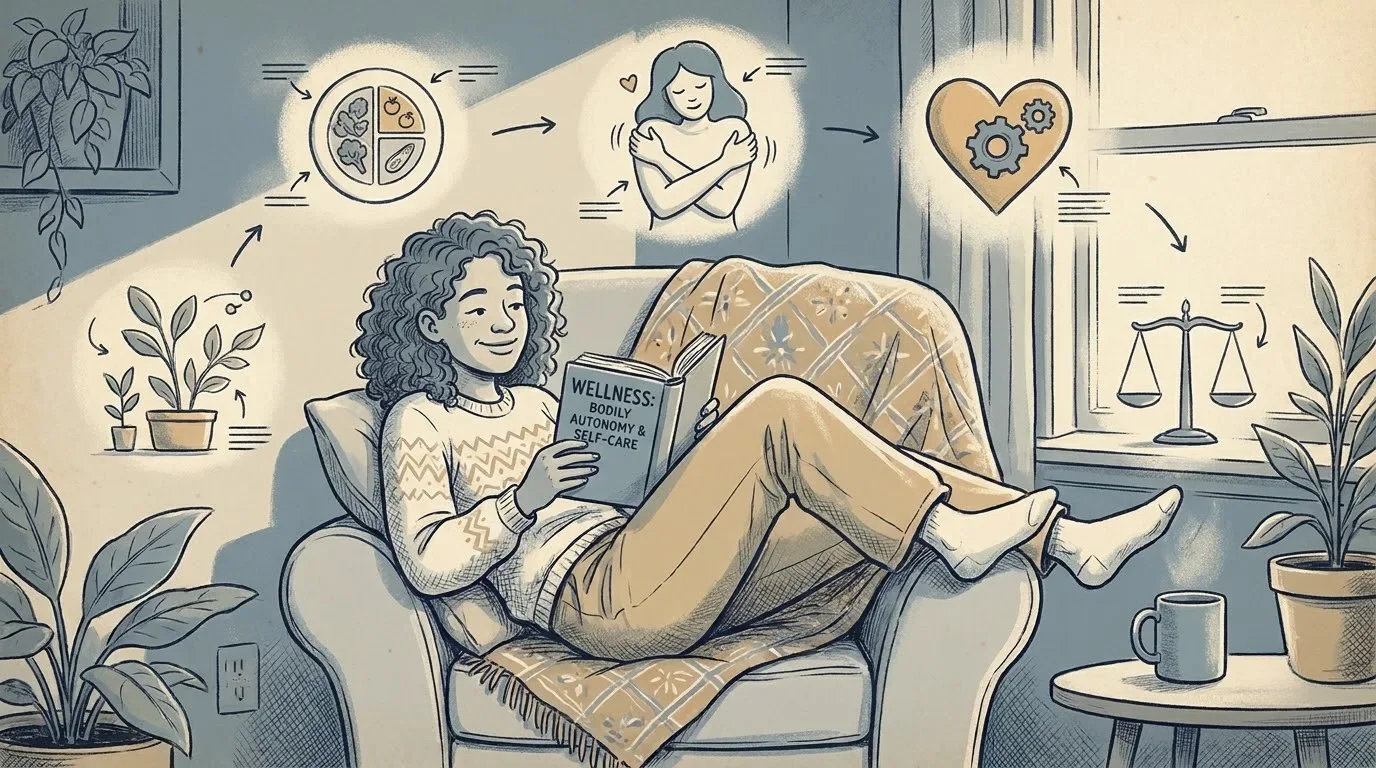
- Trade Quantity for Quality: Instead of quick 5-minute mechanical sessions, designate one or two unhurried evenings each week for mindful exploration using a premium body-safe lubricant or toy.
- Remove the Screen: Try masturbating entirely without digital stimulation. Rely on physical touch, tactile sensation, and your own imagination.
- Ditch the Moral Shame: Climaxing is a healthy biological function, not a test of moral character. If you release tension mid-month, you have not ‘failed’; you have simply listened to your physiology.
💡 Tap to Reveal: "Surfing the Urge" Technique
When a sudden compulsive urge to masturbate strikes out of boredom, picture the desire as an ocean wave. Urges typically crest within 10 to 15 minutes before subsiding naturally. Instead of fighting the wave with white-knuckled resistance, acknowledge the sensation without judgment, drink a large glass of water, and change your physical environment. If the urge remains genuine physical arousal 20 minutes later, engage mindfully.
Related Guides & Further Reading
Quick check
What actually happens to testosterone levels during prolonged voluntary ejaculation abstinence?
Testosterone peaks slightly around day 7 and then plateaus or drops back to personal baseline
Spot on! Endocrine research demonstrates that semen retention does not continuously elevate testosterone; the body maintains hormonal homeostasis.
Testosterone multiplies continuously each week, producing superhuman physical strength
This is internet folklore; human hormones are tightly regulated by feedback loops, not cumulative retention.