On this page
The short answer
Safe and pleasurable anal sex relies on three clinical fundamentals: complete physical relaxation, abundant high-viscosity lubricant, and slow progressive pacing. Because the anal canal is non-lubricating, apply dedicated water-based or silicone lube both externally and internally. Engage in 15 minutes of pre-play relaxation with fingers or slim plugs. Upon initial entry, the receiving partner should exhale slowly and gently bear down, allowing the sphincter muscles to naturally open without pain.
Few sexual experiences are as weighted down by anxiety, locker-room hyperbole, and awkward pop-culture tropes as anal sex.
Mainstream pornography often depicts anal penetration as an instantaneous, aggressive act that requires zero warm-up, zero lubricant, and zero communication. In reality, attempting to replicate adult movies without understanding human anatomy is the fastest route to sharp discomfort, muscle spasms, and disappointment.
When approached through a lens of clinical knowledge, deep partner trust, and patience, anal intimacy is profoundly pleasurable, deeply vulnerable, and completely pain-free.
The anal verge and canal are wrapped in thousands of sensitive nerve endings that connect directly to the pudendal nerve network. Stimulating this area triggers intense pelvic blood flow and activates involuntary orgasmic reflexes in both male and female bodies.
Here is your shame-free, medical foundation on how to explore anal sex safely, comfortably, and with absolute confidence.
TL;DR: The 5 Non-Negotiable Rules
- Lube Is Not Optional: The rectum does not self-lubricate. When you think you have used enough lubricant, use three times more.
- Never Go Ass-to-Vagina: Never transfer an unwashed penis, toy, or finger directly from the rectum into the vagina. Colorectal bacteria (E. coli) will trigger painful urinary tract infections (UTIs) or bacterial vaginosis (BV).
- The Receiver Drives the Speed: The partner receiving penetration controls the angle, depth, and pacing at all times.
- Pain Means Stop: A sensation of deep, warm, unfamiliar fullness is normal; sharp, stinging, or burning pain is your body’s signal that muscles are clenched or lube is depleted. Pause immediately.
- Condoms & Barriers: Always use a well-lubricated condom for penetrative anal play to prevent micro-tears and STI transmission.
Bedroom Myth-Busting: The ‘It Always Hurts’ Lie
🛑 Bedroom Myth-Busting: The 'It Always Hurts' Lie
The Myth: "Anal sex is supposed to hurt at first; you just have to grit your teeth and push through the initial pain."
The Reality: Gritting your teeth and pushing through pain is dangerous and counter-productive. Pain causes the pelvic floor to clench tighter in a defensive spasm, increasing the risk of micro-fissures and mucosal tearing. If there is pain, you are moving too fast, using insufficient lubricant, or the receiving partner is tense. With adequate relaxation, progressive dilation, and abundant lube, entry is completely comfortable.
Anatomy 101: The Two Sphincter Gates
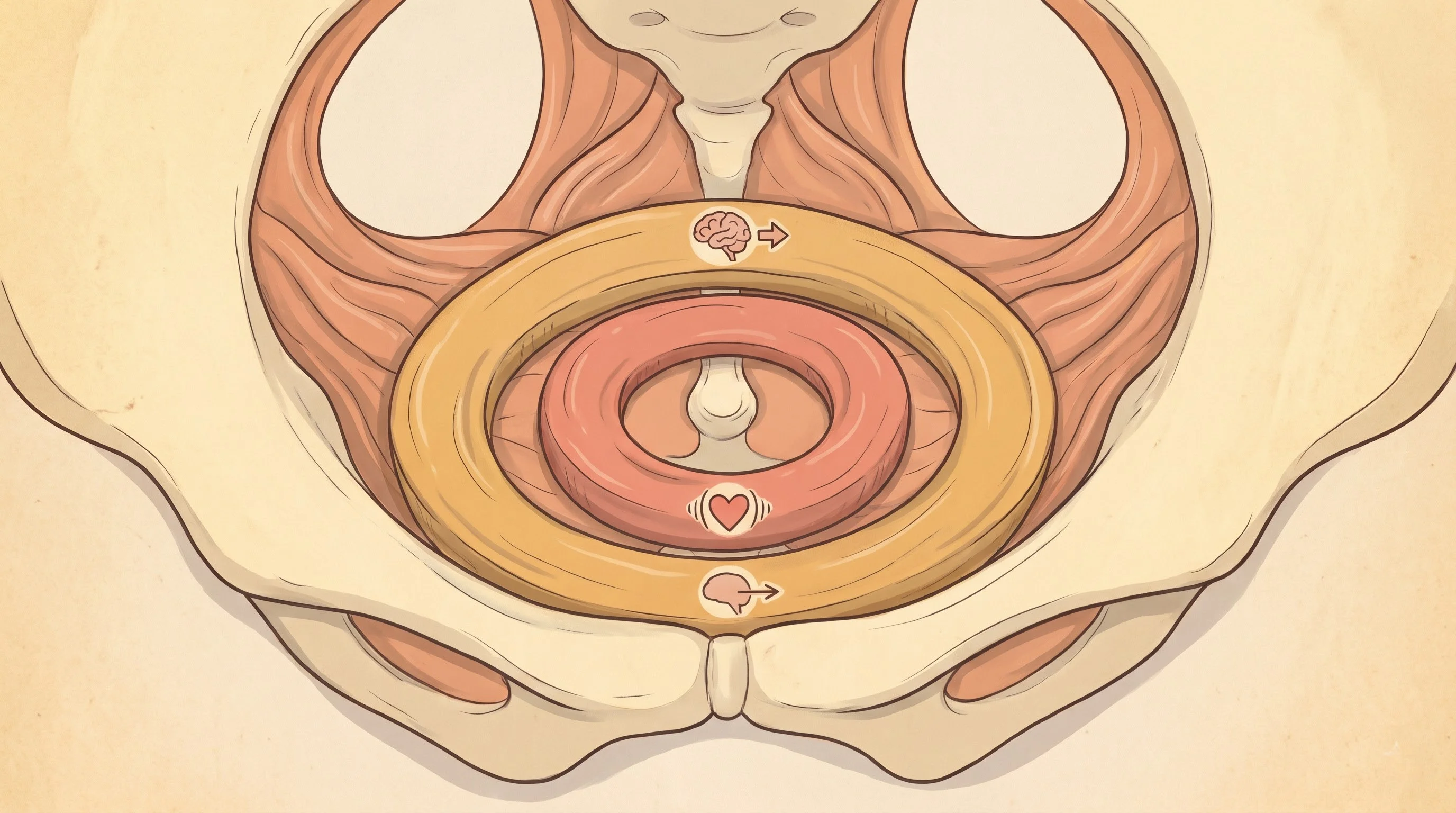
To understand why pacing is everything, examine the muscular entrance:
- The External Anal Sphincter: A ring of voluntary skeletal muscle. You control this muscle consciously (it is what you squeeze when holding in bowel movements).
- The Internal Anal Sphincter: An involuntary smooth muscle ring controlled by the autonomic nervous system. It remains closed at rest to maintain continence.
When an object presses against the opening without preparation, the internal sphincter’s reflexive reaction is to snap tightly shut. To bypass this reflex, you need relaxation and the ‘bearing down’ trick.
The Lubricant Bible: Viscosity & Re-Application
Normal saliva or thin drugstore lotions are completely useless for anal intimacy:
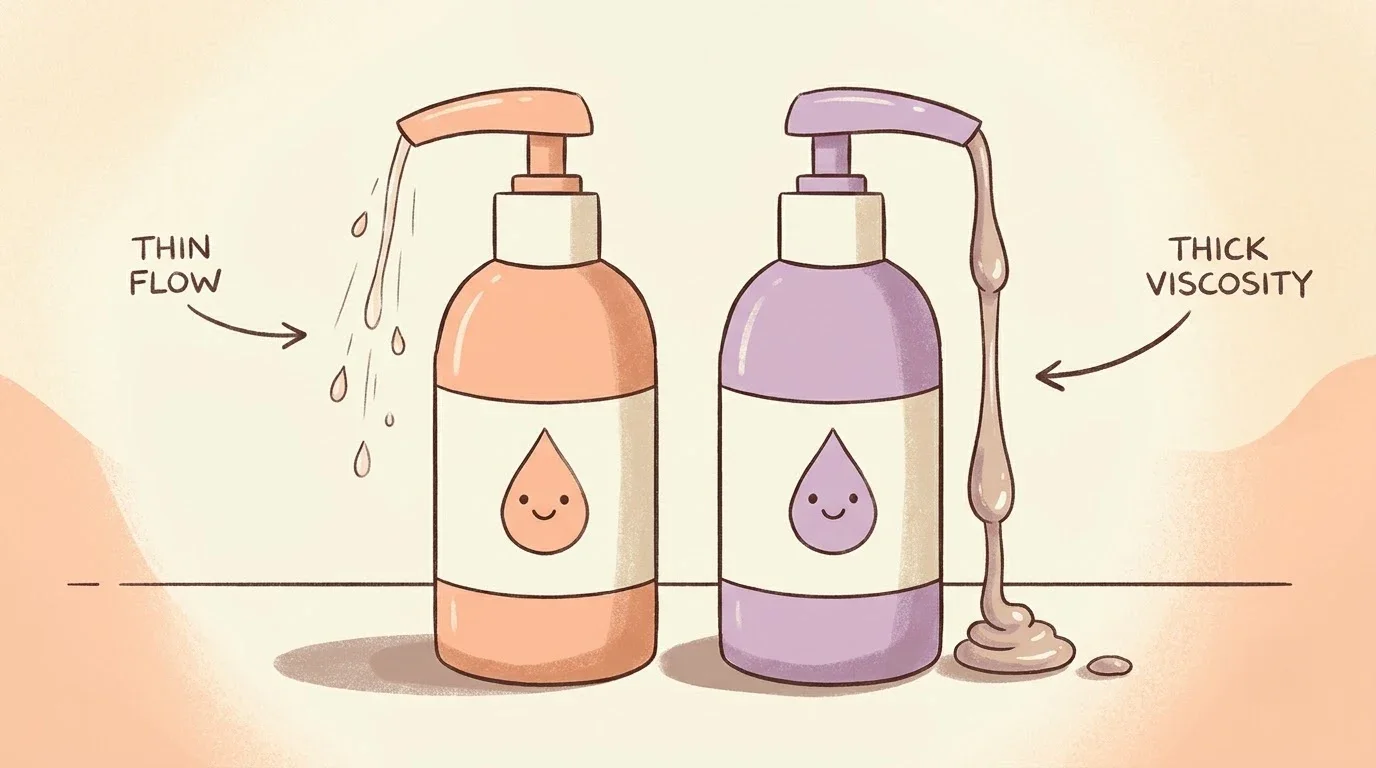
- High-Viscosity Water-Based Lube: Excellent for condom compatibility and toy safety. Thick, gel-like formulations containing cellulose or carrageenan resist drying out longer.
- Medical-Grade Silicone Lube: The gold standard for anal play. Pure dimethicone silicone never absorbs into mucosal tissue, never dissolves in water, and provides long-lasting glide without getting sticky. (Note: Do not use silicone lube with silicone dildos or plugs).
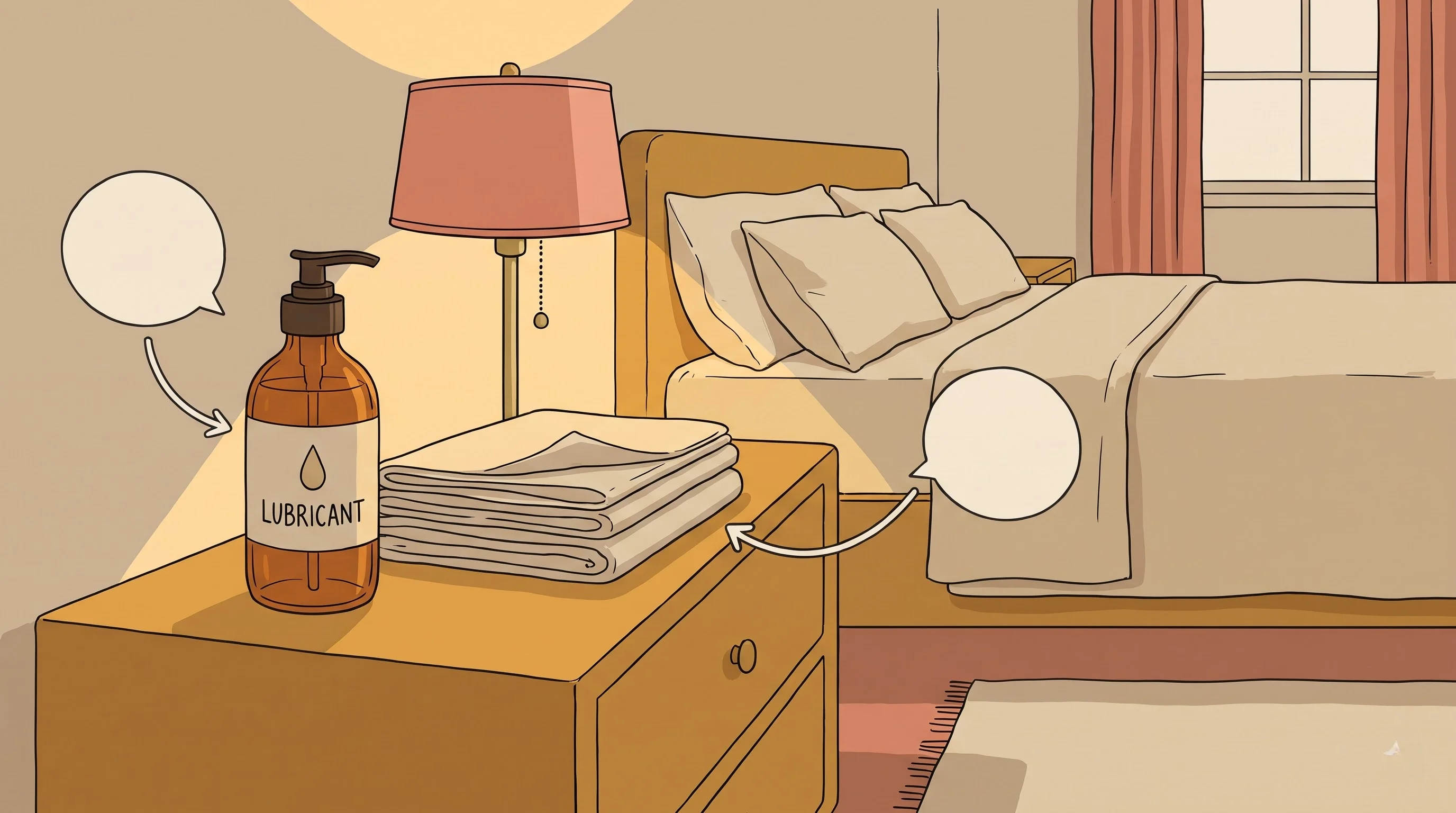
- The Top-Up Rule: Keep the lubricant pump bottle within arm’s reach of the bed. Re-apply a fresh pump every 10 to 15 minutes.
The Progressive Entry Protocol (Step-by-Step)
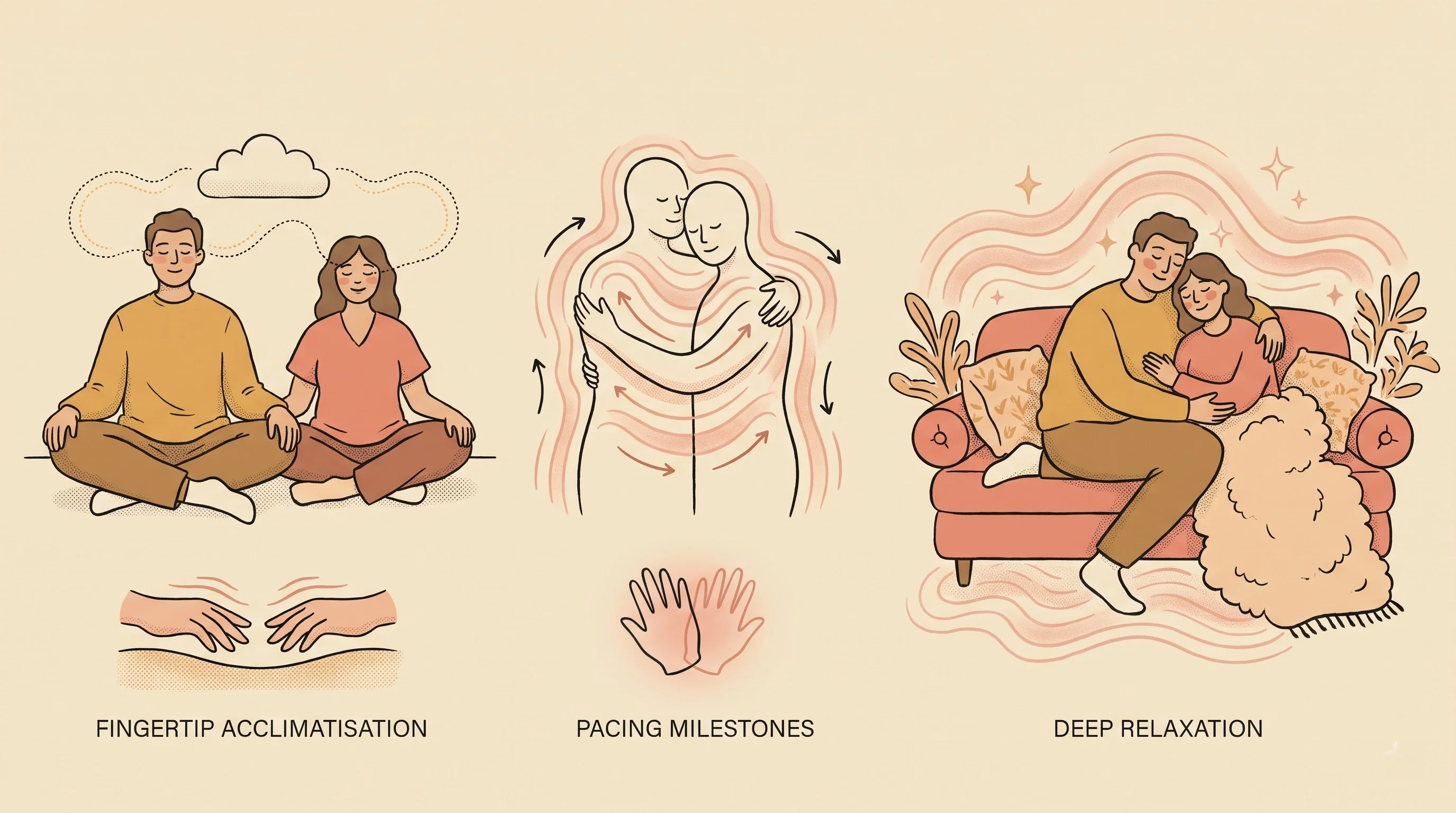
Step 1: Mind & Body Warm-Up (15 Minutes)
Begin with full-body massage, kissing, and oral or manual stimulation of the clitoris or penis. Sexual arousal causes systemic vasocongestion that naturally softens pelvic floor tension.
Step 2: The Single Finger Acclimatisation
Coat a gloved finger pad in lubricant. Gently circle the external verge without entering. When the sphincter relaxes, slowly insert one finger to the first knuckle. Pause. Allow the body to adapt to the sensation of internal presence.
Step 3: Tapered Toy Practice
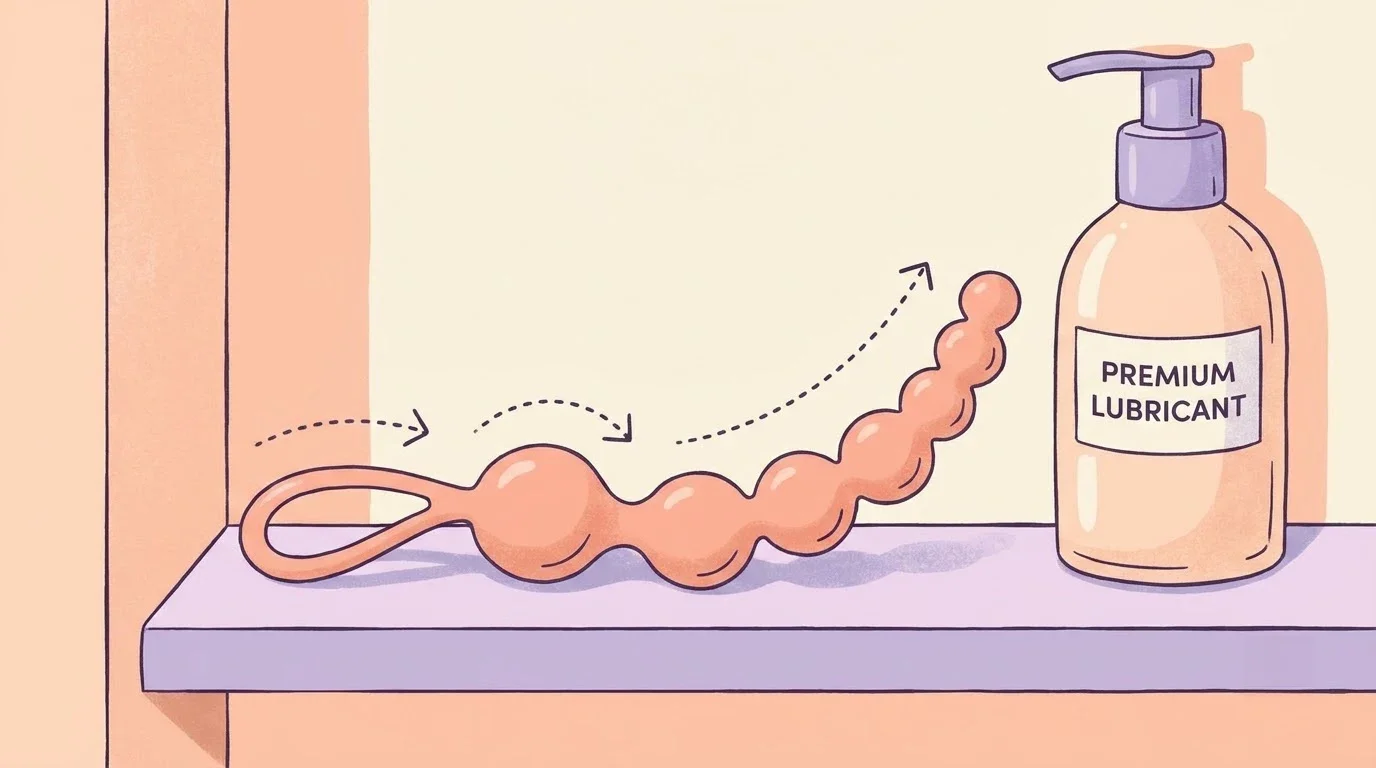
Using a slim silicone butt plug with a narrow neck for 10 minutes beforehand gently prepares both sphincter rings, making subsequent penile entry feel natural and effortless.
Step 4: The ‘Bearing Down’ Entry Technique
As the penis or toy rests against the opening, the receiving partner takes a deep breath in through the nose, and as they exhale, gently pushes outward as if having a bowel movement. This physiological maneuver involuntarily relaxes the external sphincter. The entering partner slides in just half an inch and pauses motionless for 30 seconds.
Anatomically Superior Positions
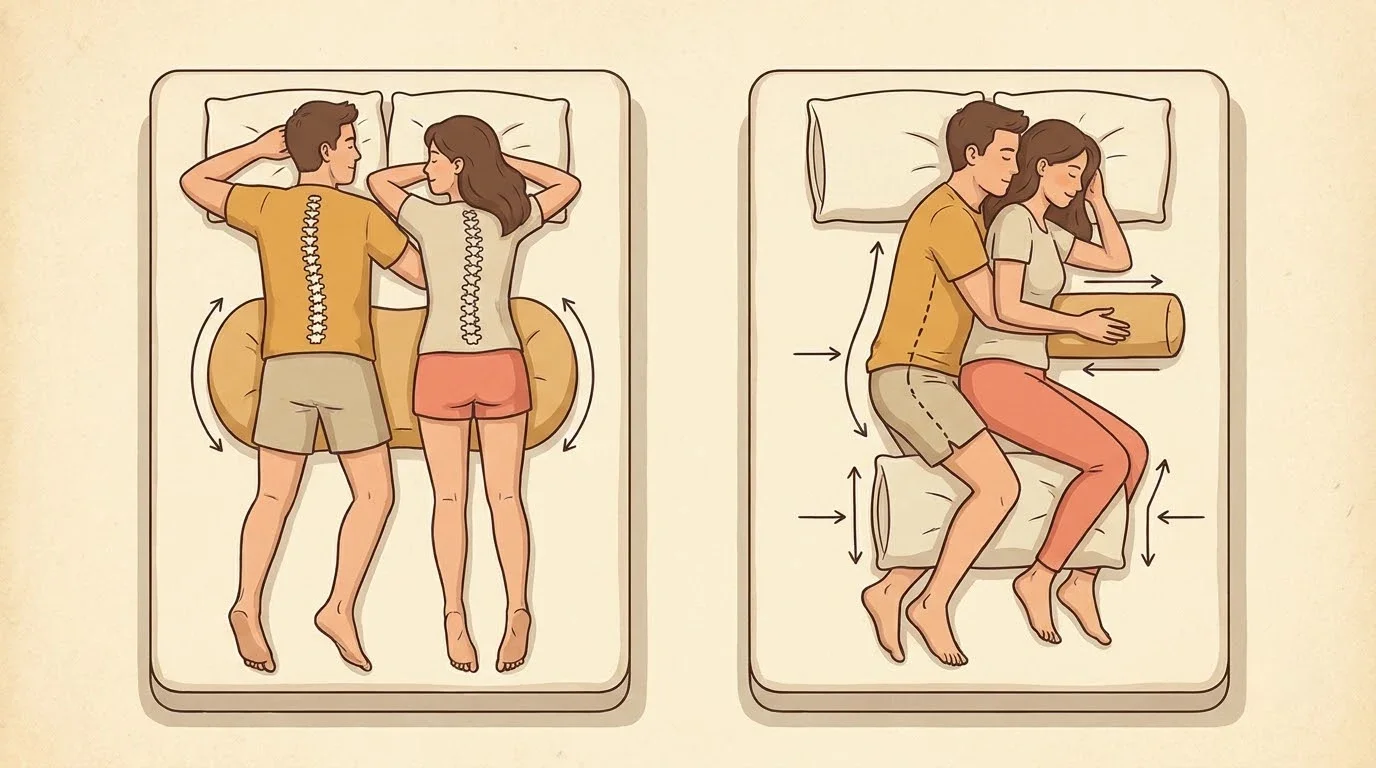
Avoid awkward contortions. Start with positions that provide pelvic support:
- Prone with Hip Pillow (Face Down): The receiver lies flat on their stomach with a firm pillow under their pelvis. This naturally levels the anorectal canal and prevents lower back arching.
- Side-Lying Spoon: Both partners lie curled on their sides. This offers maximum intimacy, zero leg fatigue, and full control over penetration depth.
- Receiver on Top (Cowgirl Variation): The receiving partner straddles the penetrating partner, allowing them to control the exact angle, speed, and millimeter of entry.
Interactive Check: Is Your Bedroom Prepared?
What is your current experience level with anal intimacy? Tap your match:
Related Guides & Further Reading
Quick check
Why do clinical guidelines emphasize that the receiving partner should gently 'bear down' (exhale and push outwards slightly) during initial anal penetration?
Bearing down voluntarily relaxes the external sphincter ring while aligning the anorectal angle for smooth, frictionless entry
Spot on! The 'pushing outward' reflex instinctively prevents the sphincter from clamping shut, allowing comfortable entry without resistance.
Bearing down prevents air bubbles from entering the sigmoid colon
The biological goal is purely muscular relaxation of the striated sphincter, not air prevention.