On this page
The short answer
Read the labels for the lubricant, the barrier and any toy you plan to use. Water-based and silicone-based options differ in feel, drying time and material compatibility.
Side by side
| Detail | Water-based | Silicone-based |
|---|---|---|
| Formula | Water is the base | Silicone is the base |
| During use | May dry sooner and need reapplying | Generally stays slippery for longer |
| With latex condoms | An option in NHS guidance. Check both labels. | An option in NHS guidance. Check both labels. |
| With a toy | Check the toy’s care and compatibility instructions | Check the toy’s instructions, particularly for a silicone toy |
Use all the instructions that apply
For latex condoms, NHS guidance advises against oil-based lubricant. It lists water-based and silicone-based options. The statements on an individual condom, lubricant or toy still matter. If instructions conflict or a compatibility statement is missing, ask the relevant manufacturer.
Compare one practical difference at a time
A formula that stays slippery for longer may need less reapplying. Another may suit your usual products or be easier for you to clean up. Check the package for directions on use and cleaning. The base alone doesn’t tell you how a particular formula will feel.
Keep product questions separate from symptoms
If a lubricant causes irritation, stop using it. A clinician or sexual health service can help with persistent irritation, dryness or pain.
Start with the things the lubricant will touch
Write down the exact products you already own. You might have a particular condom or barrier and a toy made of a material that needs its own care instructions. Those details are more useful than trying to remember a broad rule about what a formula usually does.
For latex condoms, the NHS advises using water-based or silicone-based lubricant instead of oil-based products. Read both labels if one of your products is unfamiliar. With a different barrier material, check the directions for that barrier. A label that applies to one product doesn’t establish compatibility with all materials.
For a toy, find the manufacturer’s care guide for the exact model. This is especially helpful with silicone formulations and silicone-surfaced toys, because a claim about the condom doesn’t also cover the toy. If the instructions conflict or leave a gap, ask the maker or choose a product whose directions clearly cover your setup.
Compare two things you’re likely to notice
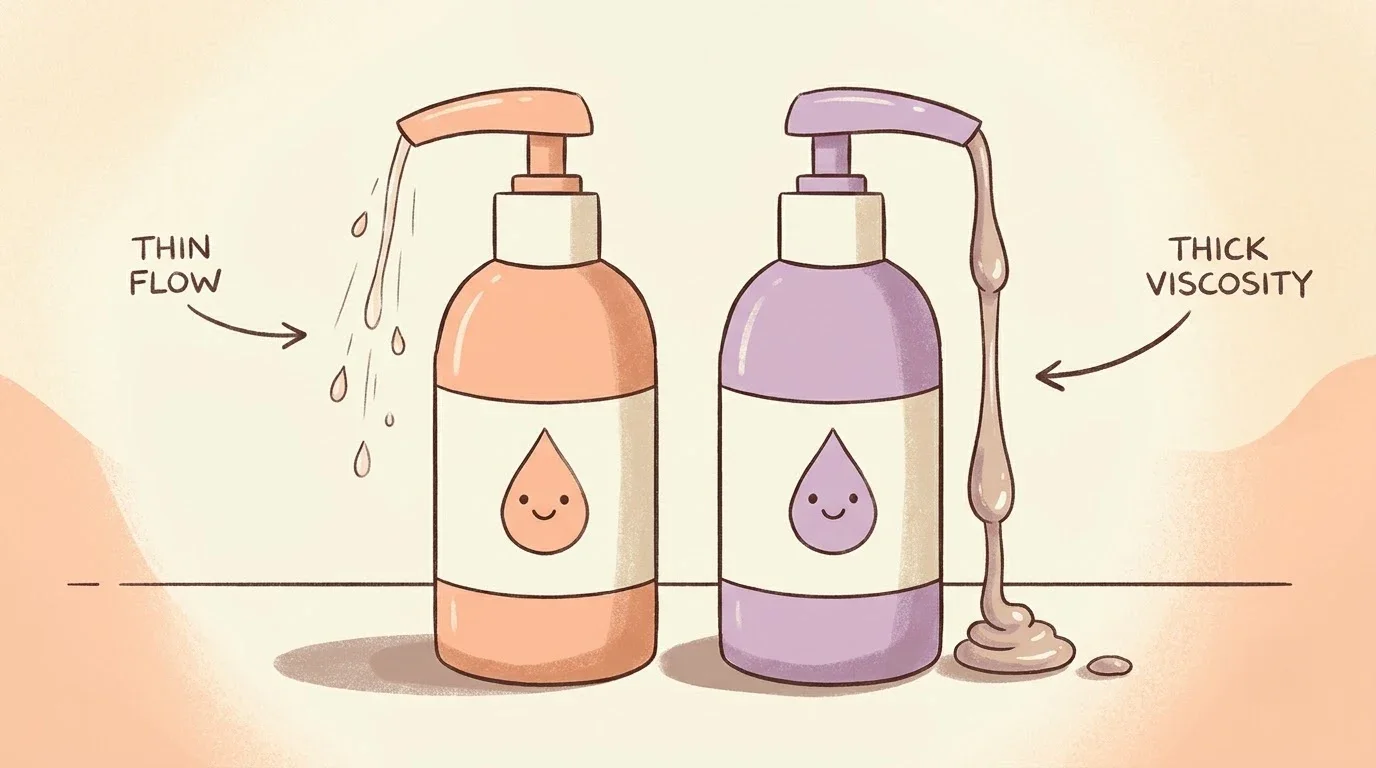
Reapplying. A water-based product can dry sooner. A silicone-based product often stays slippery longer. These are general differences, and the specific formula and conditions affect the experience. If the directions describe when to reapply, use those instructions.
Cleaning. Think about what needs cleaning after use and what those items allow. Keep the directions for the toy or any other items involved. It helps to compare two exact labels instead of assuming all products in a category behave the same way. Follow the maker’s instructions for fabrics and surfaces if the packaging describes them.
Don’t overlook a product labelled as a blend
Terms such as “hybrid” tell you to look a little closer. Check the full ingredients and the compatibility statements. If a specific component matters to you or you’ve reacted to something before, the ingredient list is better evidence than the name on the front. If irritation starts, stop using the product. Talk to a clinician or sexual health service about symptoms that persist.
A quick decision you can repeat
- Find the leaflet or directions for the barrier or toy that will come into contact with the lubricant.
- Identify any formula the instructions rule out.
- Compare the options that explicitly fit your setup.
- Choose on the remaining trade-offs, such as reapplication, clean-up and price.
- Save a photo of the label or keep the packaging so you can check it later.
The sources below explain the NHS guidance for latex condoms and general differences between formulations. Take questions about a specific toy or barrier to its manufacturer.
The bottle is part of the decision too
Look at the package size and dispensing method when both formulas suit your needs. If you prefer an easy-to-use cap, check photos or ask the manufacturer what the pack looks like. Consider buying a smaller amount of a new formula before committing to a larger pack. Follow the opening and storage instructions. A compatible product in a package you can store and use is often a better choice than one with a long list of irrelevant claims.
Quick check
The lubricant says ‘hybrid’ and the toy manual mentions silicone. What would you read before using them together?
The lubricant's compatibility directions and the toy manual
A hybrid can contain ingredients from more than one base. Check whether both sets of instructions permit the pairing.
Only the first word on the bottle
The label can describe a mix. Read the full directions and ask the maker if the compatibility remains unclear.