On this page
The short answer
Choose air-pulse stimulation if direct contact feels too intense, numbing, or overwhelming. Choose vibration if you prefer broad mechanical pressure, deep tissue rumbles, or versatility across multiple body areas.
Side by side
| Detail | Air-Pulse (e.g. Womanizer Liberty 2) | Direct Vibration (e.g. Lovehoney Power Play) |
|---|---|---|
| Mechanism | Oscillating air pressure waves inside a silicone nozzle | Mechanical counterweight motor pressing against tissue |
| Contact Style | Contactless seal surrounding the glans clitoris | Direct physical contact against external skin |
| Overstimulation Risk | Low, avoids friction and surface desensitisation | Moderate to high with sustained high-speed buzzing |
| Versatility | Targeted strictly to external clitoral stimulation | Can be used on neck, back, nipples, and full vulva |
| Underwater Response | Water inside the nozzle transforms air waves into gentle hydraulic pulses | Standard motor vibrations carry through bath water |
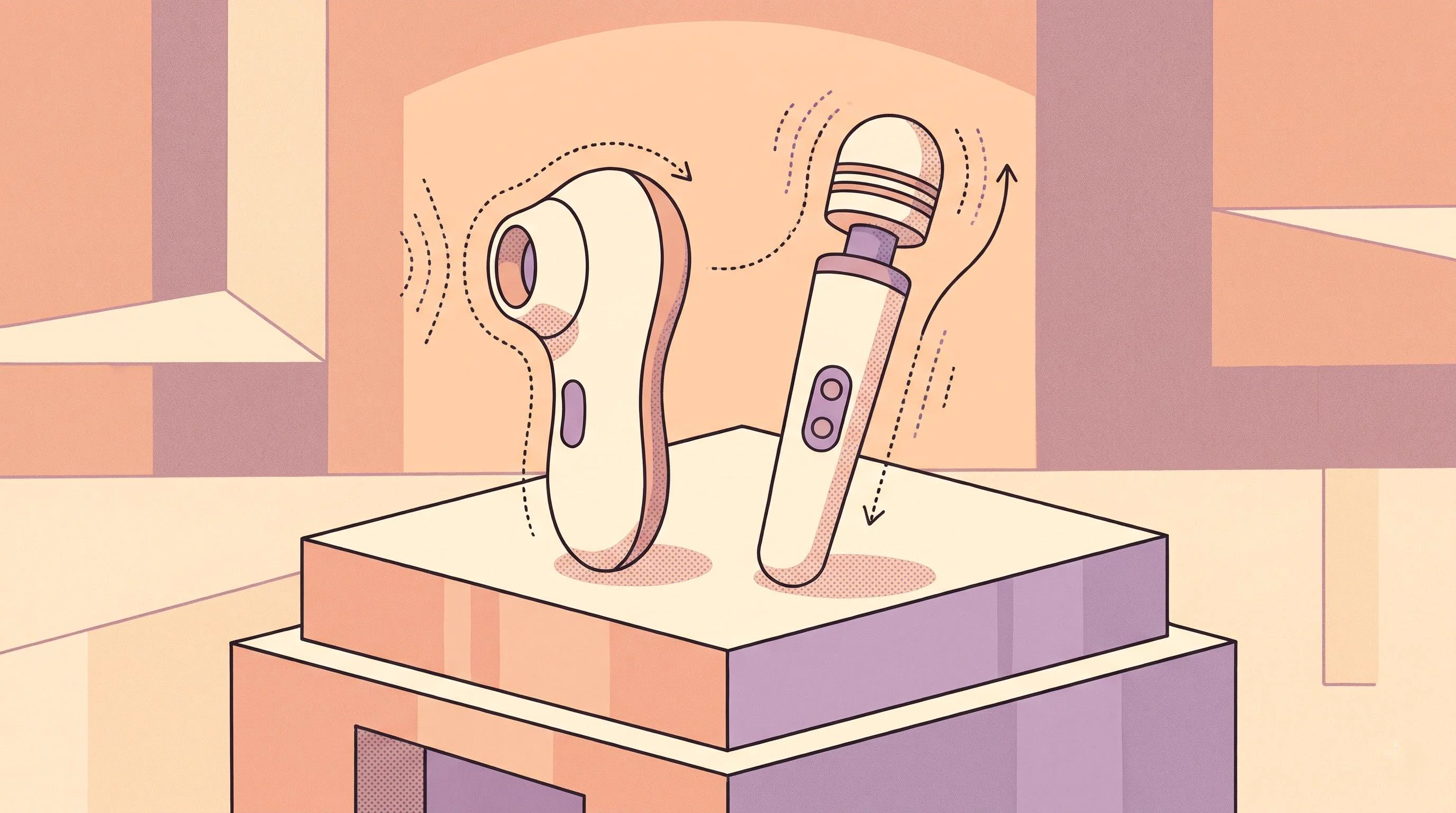
When shopping for an external intimate device, the most fundamental technological choice is between contactless air-pulse stimulators and traditional direct-contact vibrators. While both target clitoral pleasure, the underlying physics and resulting physiological sensations differ dramatically. Deciding which approach fits your body requires looking at how nerve endings respond to continuous friction versus pulsating air pressure.
How the two technologies generate sensation
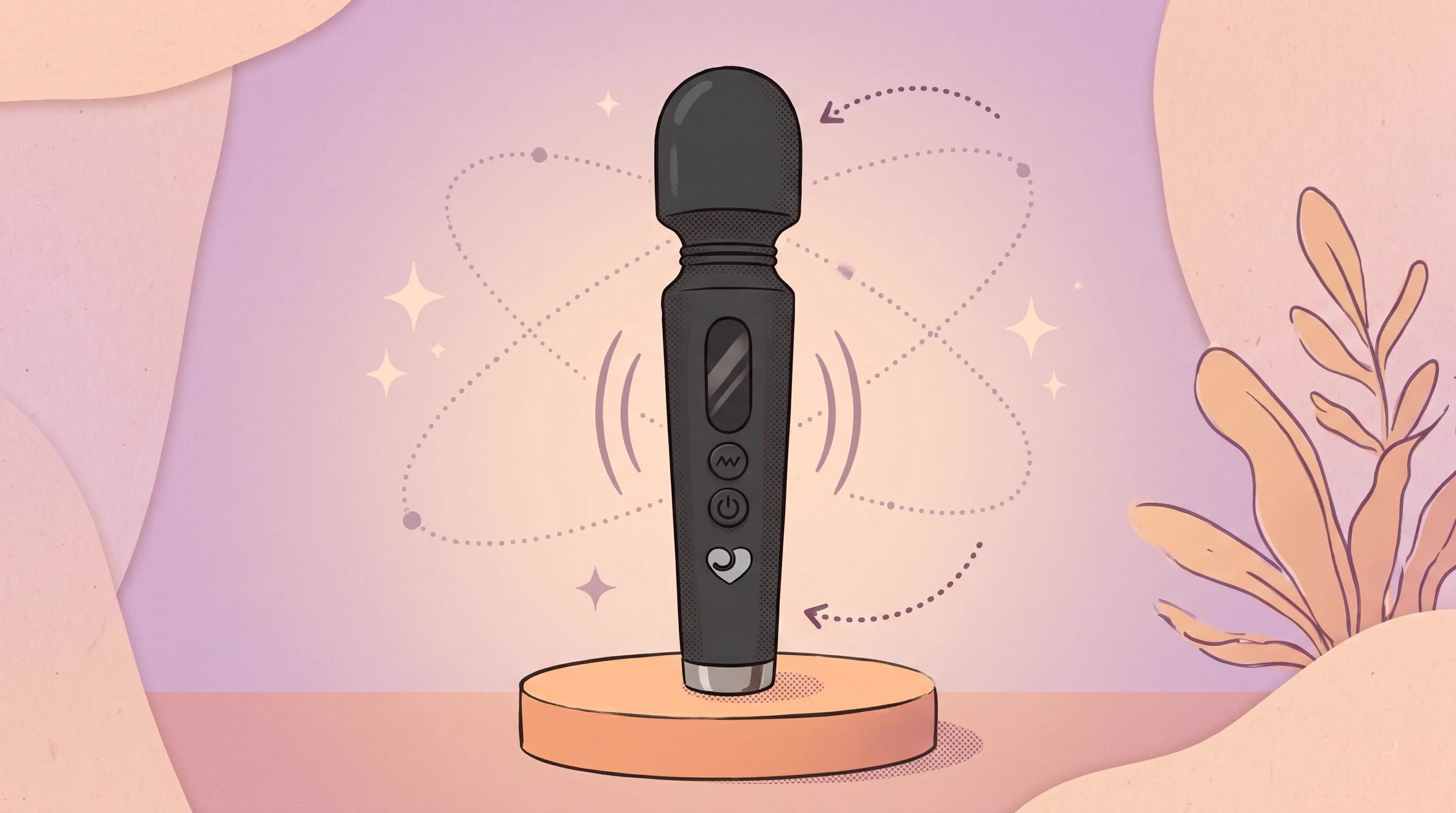
Direct vibration relies on an internal electric motor rotating an off-centre weighted brass flywheel. When the toy touches the body, this kinetic energy transfers through the casing or silicone tip directly onto the skin. The sensation feels buzzy, firm, and physically present. Because the vibrating head remains in constant mechanical contact with sensitive tissue, it stimulates both surface nerve endings and deeper pelvic muscle structures.

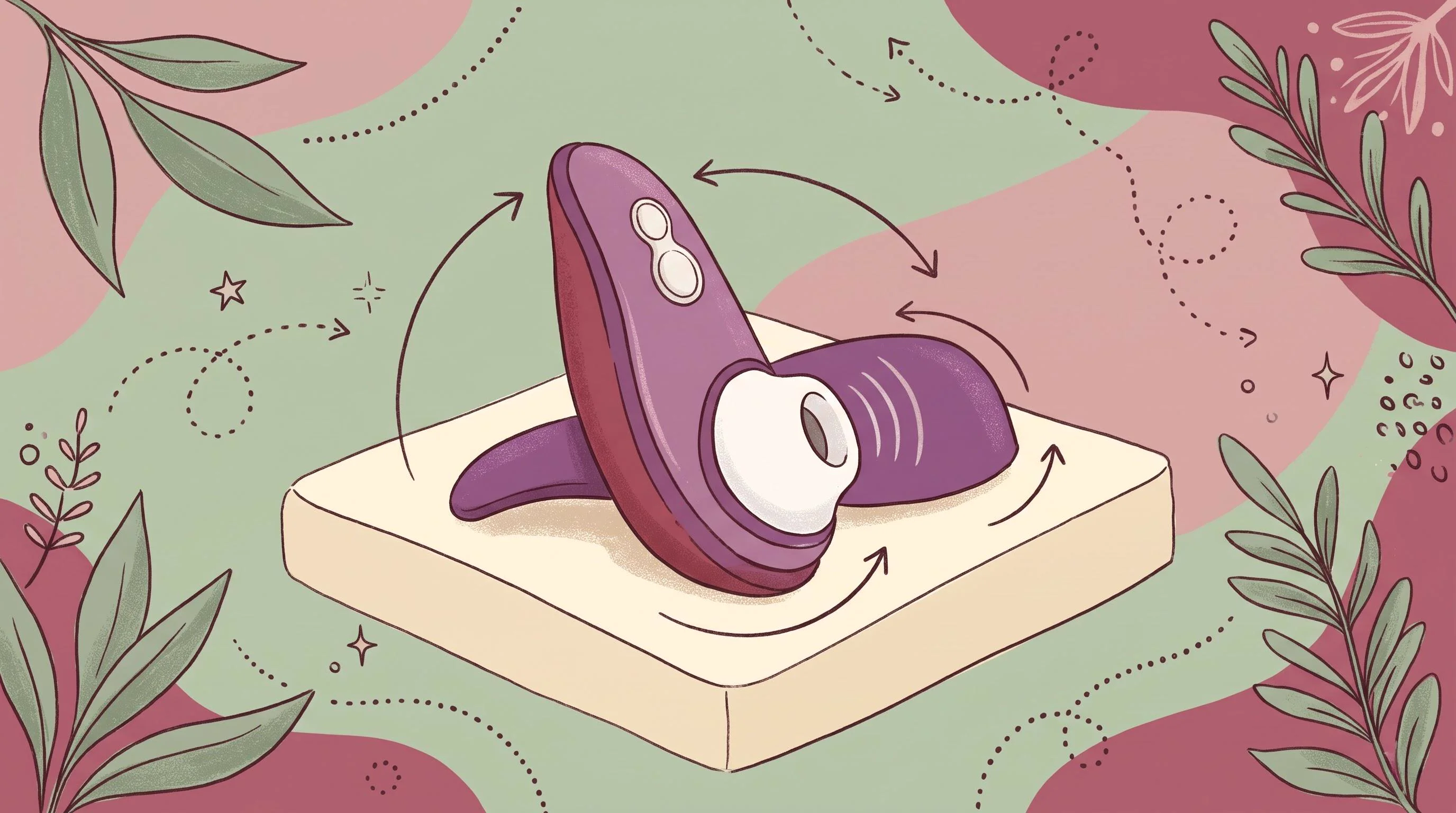
Air-pulse stimulators, originally pioneered by Womanizer, work without direct mechanical friction. An internal silicone diaphragm expands and contracts rapidly, creating alternating pulses of light air suction and pressure waves inside an oval silicone nozzle. When you place the nozzle over the glans clitoris to form a gentle seal, these air waves rhythmically stimulate the entire clitoral complex without any moving part ever rubbing against the sensitive skin surface.
Sensitivity, numbness, and overstimulation
The primary complaint among long-time vibrator users is clitoral numbing or sensory fatigue. Continuous friction against the glans clitoris over several minutes can temporarily exhaust local nerve receptors, requiring increasingly higher motor speeds to maintain arousal. In some cases, direct vibration can cross into sharp discomfort or overstimulation just as climax approaches.
Air-pulse stimulation circumvents this threshold because the air waves stimulate the clitoris contactlessly. By avoiding continuous surface rubbing, the delicate tissue does not build tolerance or become desensitised. Many users report that air-pulse devices produce climaxes that feel deeper and build more rapidly, without the post-session hypersensitivity or tenderness that direct vibrating heads can leave behind.
Versatility across the body and partnered use
Where traditional vibrators maintain a clear advantage is anatomical versatility:
- Wands and bullets: Can be moved fluidly across the nipples, perineum, inner thighs, neck, or lower back during solo or partnered foreplay.
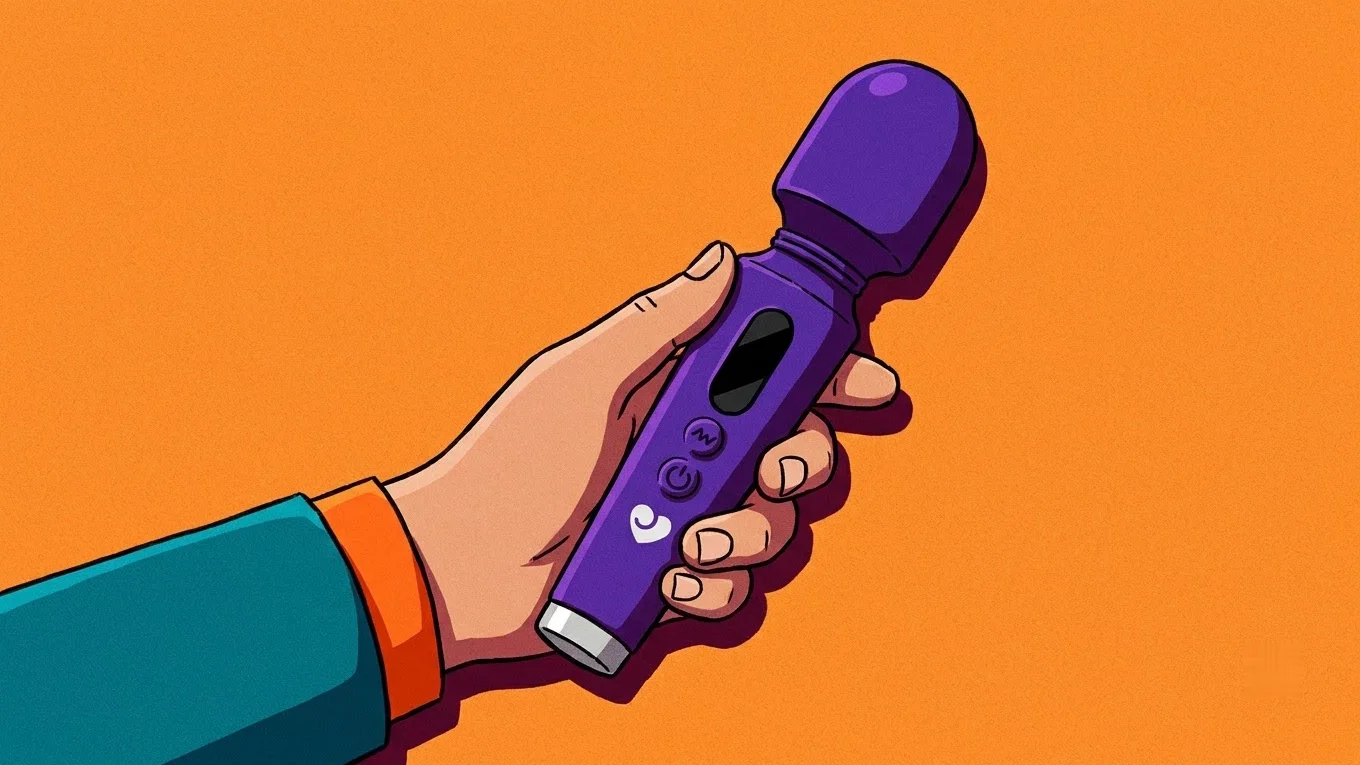
- Flexible heads: A mini wand like the Lovehoney Power Play can apply broad, comforting pressure across the entire vulval area or be held between partners during intercourse.
In contrast, air-pulse stimulators are highly specialised single-purpose tools. They require an airtight perimeter seal around the glans clitoris to function effectively. If placed against flat areas like the neck or thighs, the air simply leaks around the nozzle rim without generating pressure waves. While some couples enjoy incorporating air-pulse nozzles into partnered sex, the rigid housing requires careful positioning to avoid breaking the suction seal during movement.
Underwater performance in the bath
Both device types frequently carry IPX7 waterproof ratings, but their behaviour in warm water is distinct. Submerging a traditional vibrator simply carries the buzzing frequency through bath water, maintaining familiar sensations.
When an air-pulse stimulator is submerged underwater, warm bath water drawn into the nozzle transforms the air pulses into gentle hydraulic waves. Water conducts pressure waves more efficiently than air, resulting in a distinct, warm pulsing sensation that many users find remarkably relaxing.
Three practical checks before you choose
I frequently experience clitoral numbness with bullets.
Air-pulse stimulation is specifically engineered to prevent surface nerve fatigue. The contactless pressure waves stimulate blood flow without friction, making it an ideal choice if traditional buzzers feel numb.
I want a multi-zone toy for whole-body massage and partnered play.
A direct vibrator or mini wand provides the physical versatility you need. You can glide it along the neck, shoulders, and intimate areas without needing to maintain an airtight seal.
Acoustic discretion in a shared household is my top priority.
A direct bullet running at low speeds under a blanket is slightly quieter than an air-pulse toy. When an air-pulse nozzle breaks its skin seal, the rhythmic air suction produces a distinct puffing sound until realigned.
Summary checklist
Choose air-pulse technology if your primary goal is rapid, reliable clitoral climax without skin friction or numbness. Choose direct vibration if you want a versatile, multi-purpose intimate aid that provides deep mechanical rumbling across diverse body zones.
Quick check
Why do users who experience clitoral numbness with traditional vibrators often prefer air-pulse toys?
Air-pulse uses contactless pressure waves, avoiding direct mechanical friction that desensitises nerve endings
Oscillating air changes pressure inside a silicone cup without rubbing the surface, allowing prolonged stimulation without numbing.
Air-pulse toys operate at temperatures above 45 degrees Celsius
Air-pulse devices do not heat up; the difference lies entirely in air pressure dynamics versus mechanical vibration.