On this page
The short answer
Find the formula and the full directions on the bottle or box. Check the condom wrapper and the toy manual separately. For latex condoms, the NHS advises water-based or silicone-based lubricant and says to avoid oil.
Checklist
- Find the base formula and the exact variant.
- Read the condom material and compatibility instructions.
- Check the toy manual for rules about lubricants.
- Look up storage and expiry information before buying a large pack.
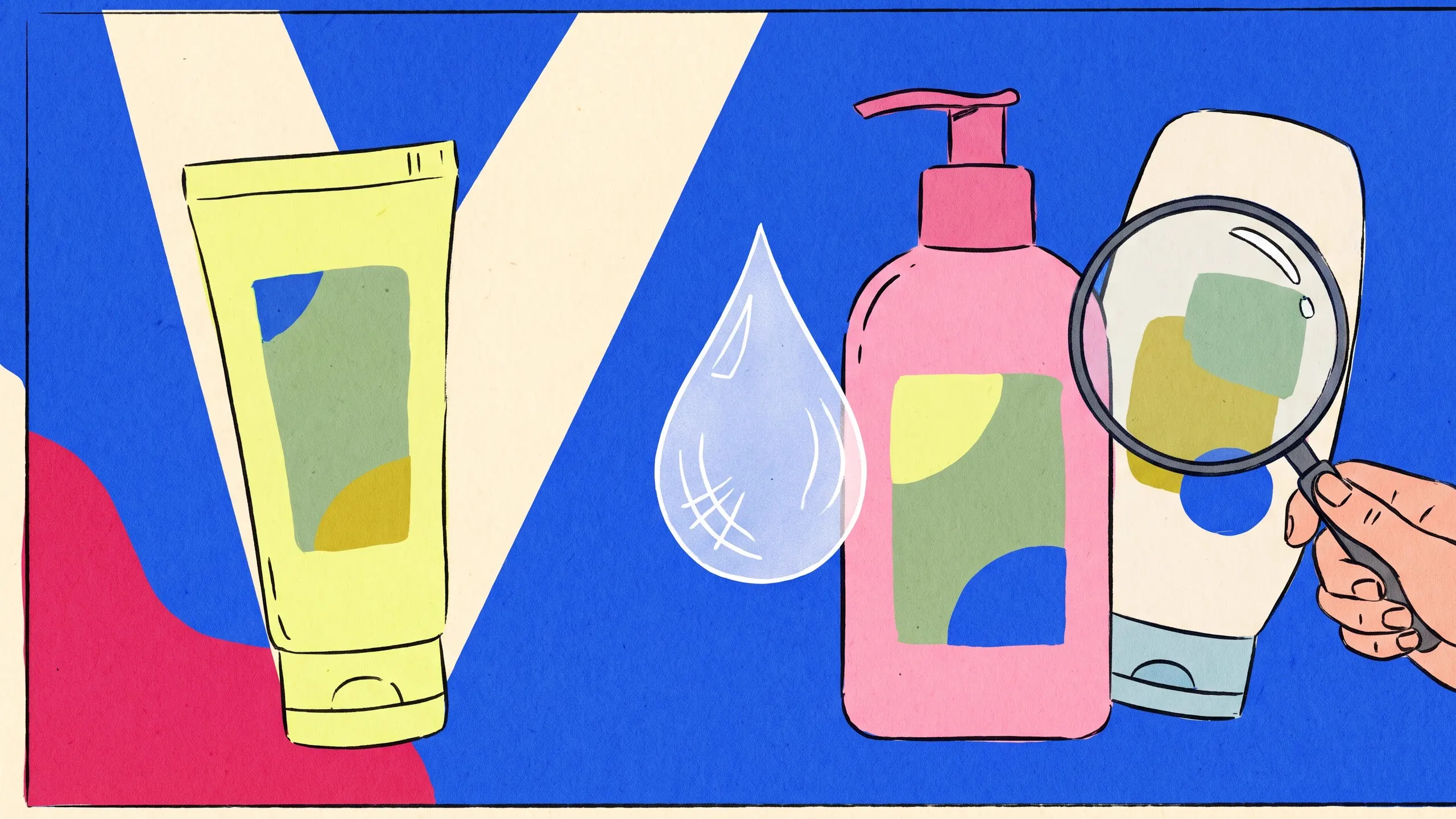
A bottle can say “silky” across the front and leave the most useful words in a much smaller line near the bottom. Turn it around before you put it in the basket. You want to know what kind of formula it contains and whether the maker says it can be used with the particular item you already have at home. If there are two bottles with almost the same name, check the exact variant before comparing them.
Read the two sides of the bottle
Start with the full name, including any words that distinguish the variant. Brands can sell different formulas under related names. Write down the bottle size too if you’re comparing prices or looking up directions. The picture on the shopping page may show the front but leave the back label unreadable. Look for a second image or the manufacturer’s information for the same version.
Read the ingredients and directions together. The front may tell you that a product is water-based. The back or leaflet may tell you which condom materials the manufacturer names and which uses it recommends. If the directions are on an outer box, keep the section you refer to frequently or take a picture. That helps when the bottle stays in a drawer and the box goes in the recycling.
What the base tells you
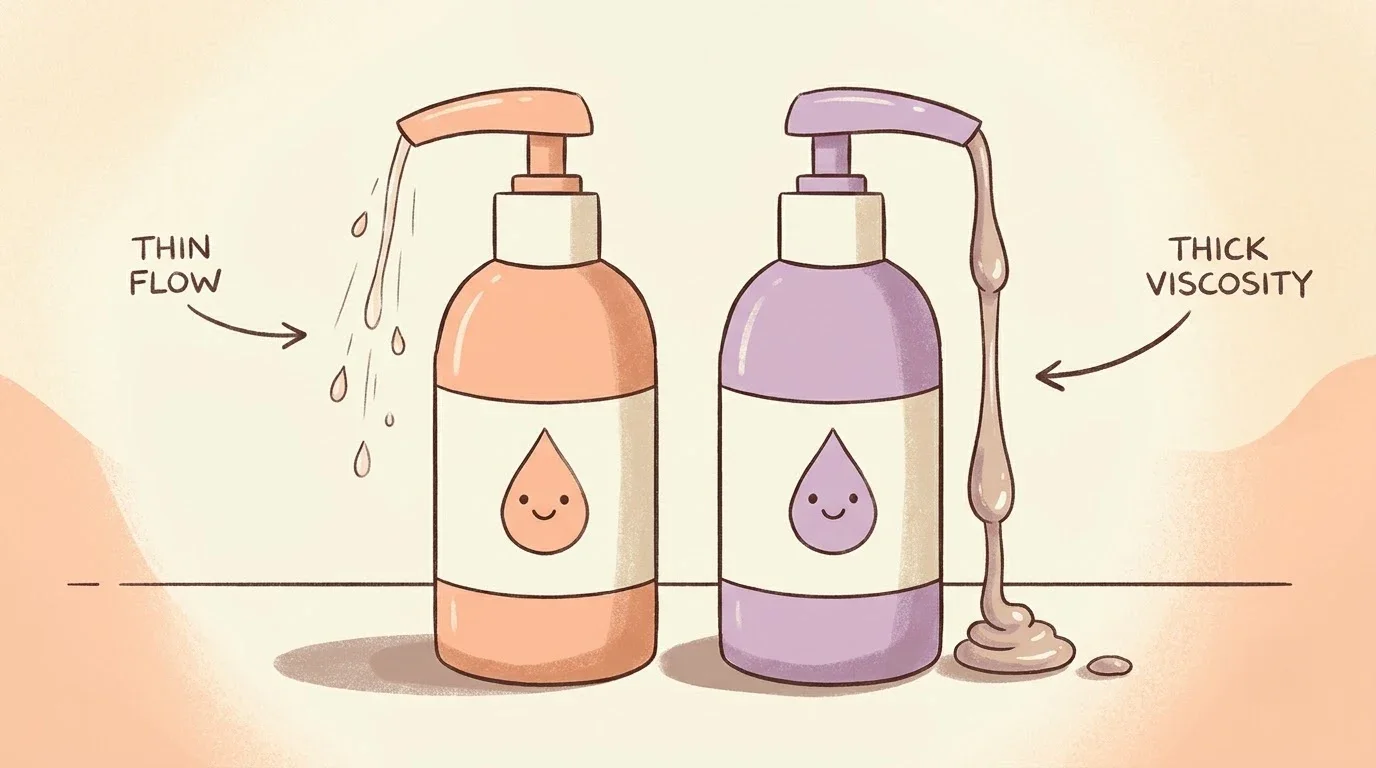
Water-based, silicone-based, oil-based and hybrid are useful search terms. Use the category to narrow the shelf, then look at the manufacturer’s instructions. A bottle’s base and the materials it is compatible with answer different questions.
| Formula on the label | What to check next |
|---|---|
| Water-based | Look for directions for your condom material and check the toy manual if you use one. |
| Silicone-based | Confirm barrier compatibility and read the exact toy's lubricant instructions, especially for a silicone surface. |
| Oil-based | Keep it away from latex condoms. Check your exact barrier instructions before using a different material. |
| Hybrid | Find out which bases are combined and what the compatibility statement actually covers. |
A water-and-silicone blend is one kind of hybrid. For example, pjur describes its Toy Lube as a blend of both. A front label that says “hybrid” gives you a reason to check the ingredients and directions. If a toy manual tells you to avoid silicone-based lubricants, ask its maker about the blend before using it. If you already have a formula that meets all the instructions, you can keep using the one you know.
Look up the full product name if the ingredients photo is hard to read. pjur’s Basic Water and Toy Lube are two examples of different formulas from the same manufacturer. One is sold as water-based and the other as a water-and-silicone blend. Search with the name on the actual bottle so you land on the right set of instructions. If a retailer search sends you to a whole brand page, ask for the manufacturer’s page for that exact variant.
Read the condom packet before you choose
For latex condoms, the NHS advises water-based or silicone-based lubricant and says oil can damage latex. That includes oils in products that may be nearby, such as massage oil or body lotion. For a condom made of a different material, check its own leaflet. The words “latex-free” don’t identify which material you have. SKYN Original, for example, uses polyisoprene. SKYN’s UK directions say to use water-based or silicone-based lubricant and avoid oil.

Look for a sentence that names the material you want to check. “Compatible with latex” answers a latex question. If a statement says only “condom compatible” and the material is unclear, look at the leaflet from the exact condom manufacturer too. Ask for clarification if you still can’t tell whether the two products can be used together. Our guide to external and internal condoms explains where to look for the material.
Check the toy’s surface and manual
The instructions for a toy can rule out a lubricant even if its label works with your condom. LELO’s MIA 3 manual, for example, says silicone-based lubricants can leave that model’s silicone surface permanently tacky. That is a direction for one specific model. If your toy has a different surface, or if it is made from more than one material, find the manufacturer’s directions for your version. Check what it says about cleanup at the same time.
If the bottle and manual use different wording, send both product names to the maker and ask a narrow question. “Can I use this water-and-silicone blend with the silicone exterior of this exact model?” gives support something to check. Keep the answer with the label if you expect to buy either product again. If you can’t confirm it, choose a pairing that both sets of directions clearly cover.
Try a label check before you shop
The condom says latex and the bottle says massage oil
Set the massage oil aside for a different use. Find a water-based or silicone-based product whose directions cover latex and check the toy instructions too if you plan to use one.
The bottle says hybrid and the toy manual warns about silicone
Find the blend in the ingredients or the manufacturer's product details. If it includes silicone, ask the toy maker whether the restriction applies to that blend or choose a formula the manual explicitly allows.
Two bottles have the same name but different labels
Match the full variant name and pack size. Read the instructions for the bottle you're buying. If the shop photo and the box differ, ask the seller to confirm which version is in stock.
Check the hardest requirement first. If you’re choosing for a condom and a toy, a bottle has to fit both sets of directions. Once you have a compatible shortlist, you can compare how the bottles dispense, which size you want, and whether the price makes sense for how often you’ll use it.
Suppose you switch from a latex condom to SKYN Original and keep the same oil-based massage product at home. In this example the new wrapper still rules out the oil, even though the material has changed. If you then add a toy whose instructions advise against a silicone formula, check for a suitable water-based product whose directions cover both items. You can work through the same questions if you already own the bottle and are changing the condom or toy.
How to weigh comfort and packaging
Words like warming, cooling or flavoured describe things the product is intended to do. Read the directions for where the formula can be used, and check the actual ingredients if you’re trying to avoid something specific. A name used for marketing can have several nearby variants, so compare the text on the real package if you order again. If a product starts causing irritation, stop using it. If the irritation continues, get advice from a clinician or sexual health service.
People also use the word lube when they’re looking for relief from dryness in daily life. The NHS treats vaginal lubricants and vaginal moisturisers as different options. Ask a GP if dryness lasts a few weeks despite trying to relieve it or affects your daily life. Get advice if you notice unusual discharge, bleeding after sex or between periods, or bleeding after menopause. Keep the product name and the part of the label that describes where it can be used, in case the clinician asks what you’ve tried.
Check the cap or pump in the listing if the product will travel. A large pump can be convenient at home and take up space in a small bag. Keep the storage directions as well as the cap. If you buy a smaller size of a favourite, check that its ingredients and use directions match the one you already know.
If the bottle will live in a shared bathroom or overnight bag, think about whether you can still read it a month from now. Put a photo of the label alongside the order so you can identify the variant without guessing from the colour of the cap. Keep the printed expiry or storage directions somewhere you can find them. If a bottle arrives with a damaged seal or instructions that differ from the listing, contact the seller about that pack before using it.
Compare price after you know the pair works
Compare price per 100 ml when the products are the same formulation and both sizes fit your needs. A hypothetical 50 ml bottle for £6 costs £12 per 100 ml. A 100 ml bottle at £10 costs less by volume and more at checkout. Choose an amount you’re likely to finish before expiry and can store as directed. Check the quantities if one listing includes two bottles and another includes one.
Save the name, variant and batch code if the packaging shows one. They help the manufacturer identify an item if you need to follow up about a change of formula or a damaged bottle. When you’re choosing between the two common bases, the water-based and silicone comparison covers practical differences. Use the cleaning and storage guide if the remaining question is how to care for a particular toy.
Quick check
A lubricant says ‘fragrance-free’. Where would you check whether it suits the condom you use?
The compatibility directions on the lubricant and condom packets
Check both products. A fragrance claim describes one part of the formula and does not establish what materials it can touch.
The fragrance claim on the front label
Fragrance and compatibility are separate checks. Look at the directions for the lubricant and the material named on the condom packet.