On this page
The short answer
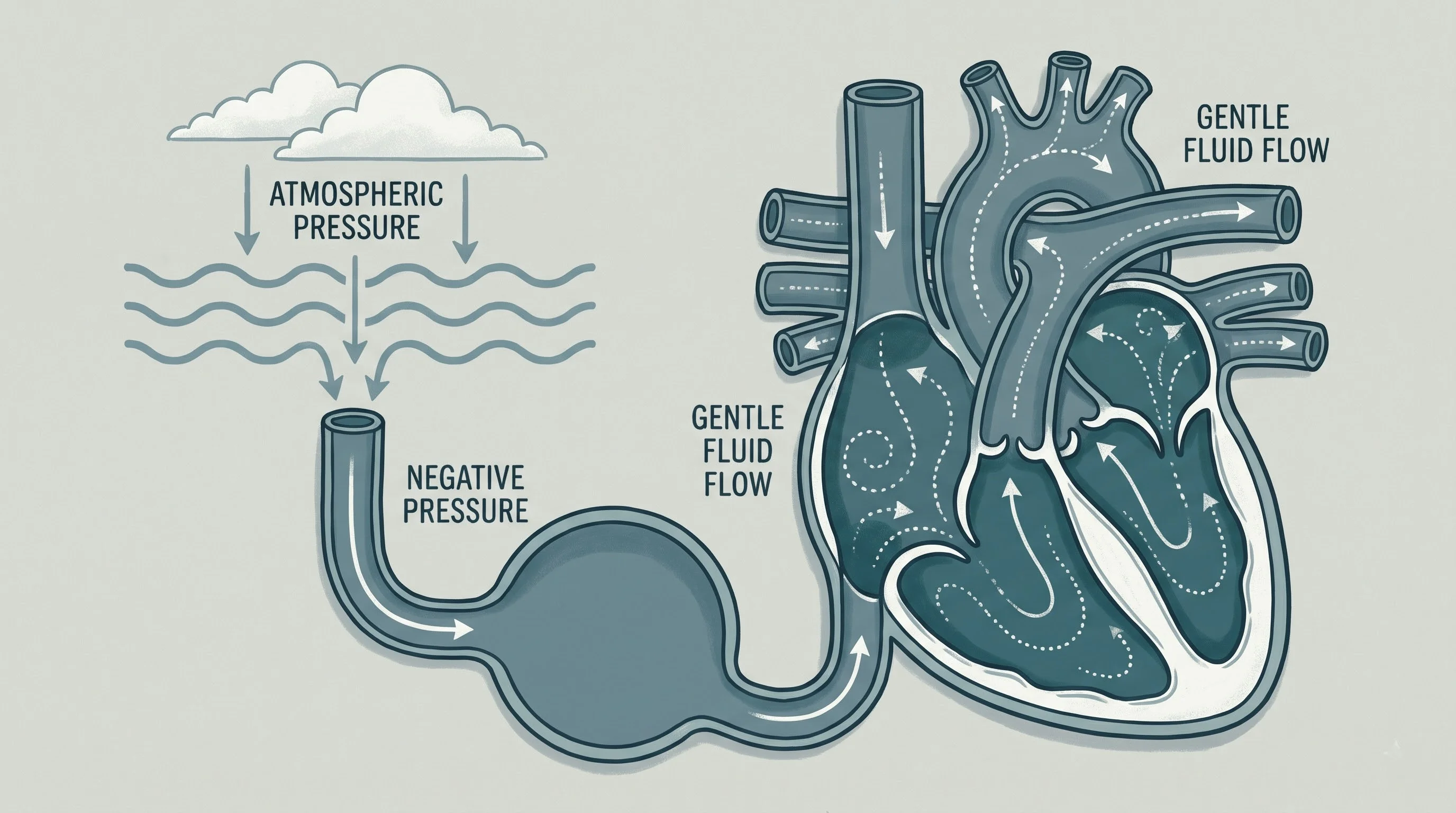
A penis pump (clinically termed a Vacuum Erection Device or VED) works by enclosing the flaccid penis in an airtight cylinder and evacuating air to create negative pressure. This draws arterial blood into the erectile tissues (corpora cavernosa), producing a firm erection within minutes. A tension ring can then be placed at the base to sustain firmness for up to 30 minutes. Urologists advise keeping pump sessions strictly under 15 to 20 minutes to prevent tissue edema or bruising.
Few adult wellness devices are as shrouded in locker-room exaggeration, sketchy late-night spam emails, and comedic movie tropes as the penis pump.
For decades, sensationalist advertisements made wild promises of “adding four inches overnight,” leaving curious men wondering where clinical science stops and snake-oil fiction begins.
In modern urology, however, penis pumps—formally known as Vacuum Erection Devices (VEDs)—are respected, FDA- and CE-approved medical tools. They are routinely prescribed by urologists for post-prostatectomy penile rehabilitation, managing erectile dysfunction (ED), and enhancing bedtime intimacy for men of all ages.
When used correctly with body-safe protocols, a vacuum pump delivers predictable, medication-free firmness and a thrilling sense of vascular fullness.
Here is the definitive, shame-free clinical roadmap to how penis pumps actually work, the physics of negative pressure, and how to operate one safely without risking injury.
TL;DR: The Physics in 60 Seconds
- The Core Mechanism: Enclosing the penis in a sealed plastic or acrylic tube and pumping out air drops the internal atmospheric pressure.
- The Hemodynamic Response: Because blood inside the vascular system is under higher pressure than the partial vacuum outside, arterial blood rushes into the spongy corpora cavernosa chambers, causing rapid engorgement.
- Sustaining the Erection: Once fully erect, a flexible silicone constriction ring is slid off the cylinder base onto the root of the penis to prevent venous backflow.
- Maximum Safe Duration: The constriction ring must never be left on for longer than 30 minutes; active pumping inside the cylinder should not exceed 15 minutes.
Bedroom Myth-Busting: The ‘Permanent Growth’ Myth
🛑 Bedroom Myth-Busting: The 'Permanent Gain' Lie
The Myth: "Pumping for 30 minutes every day will permanently stretch your penis by two or three inches in length."
The Reality: Penis pumps do not permanently alter anatomical size. What they create is profound, temporary vascular engorgement and minor fluid retention (edema) in the penile skin that lasts for 1 to 4 hours post-session. While routine urological pumping preserves tissue elasticity and prevents fibrosis following surgery, it does not add new permanent cellular tissue length. Anyone promising permanent multi-inch growth from a vacuum cylinder is selling pseudoscience.
Anatomy 101: Hemodynamics & Negative Pressure
To understand why a pump produces an erection when psychological excitement might be lacking, we look at vascular anatomy:
The penis contains three expandable cylindrical structures:
- The Twin Corpora Cavernosa: Two parallel spongy chambers running along the top of the shaft that fill with blood to create rigidity.
- The Corpus Spongiosum: A softer, lower chamber surrounding the urethra that engorges to cushion the canal during ejaculation.
- The Tunica Albuginea: A tough, fibrous sheath wrapping the spongy chambers that determines maximal expansion.
In a spontaneous erection, the brain signals nitric oxide release, relaxing smooth muscle walls so arterial blood fills the chambers. A vacuum pump bypasses this neural cascade entirely: simple barometric physics draws the blood into the chambers mechanically.
The 5-Step Safe Pumping Protocol
Follow this sexpert-approved sequence for effortless, comfortable sessions:
1. Trim & Prepare
Trim excess pubic hair at the base of the shaft to ensure a tight, airtight seal against the silicone comfort gasket.
2. Apply Lubricant Generously
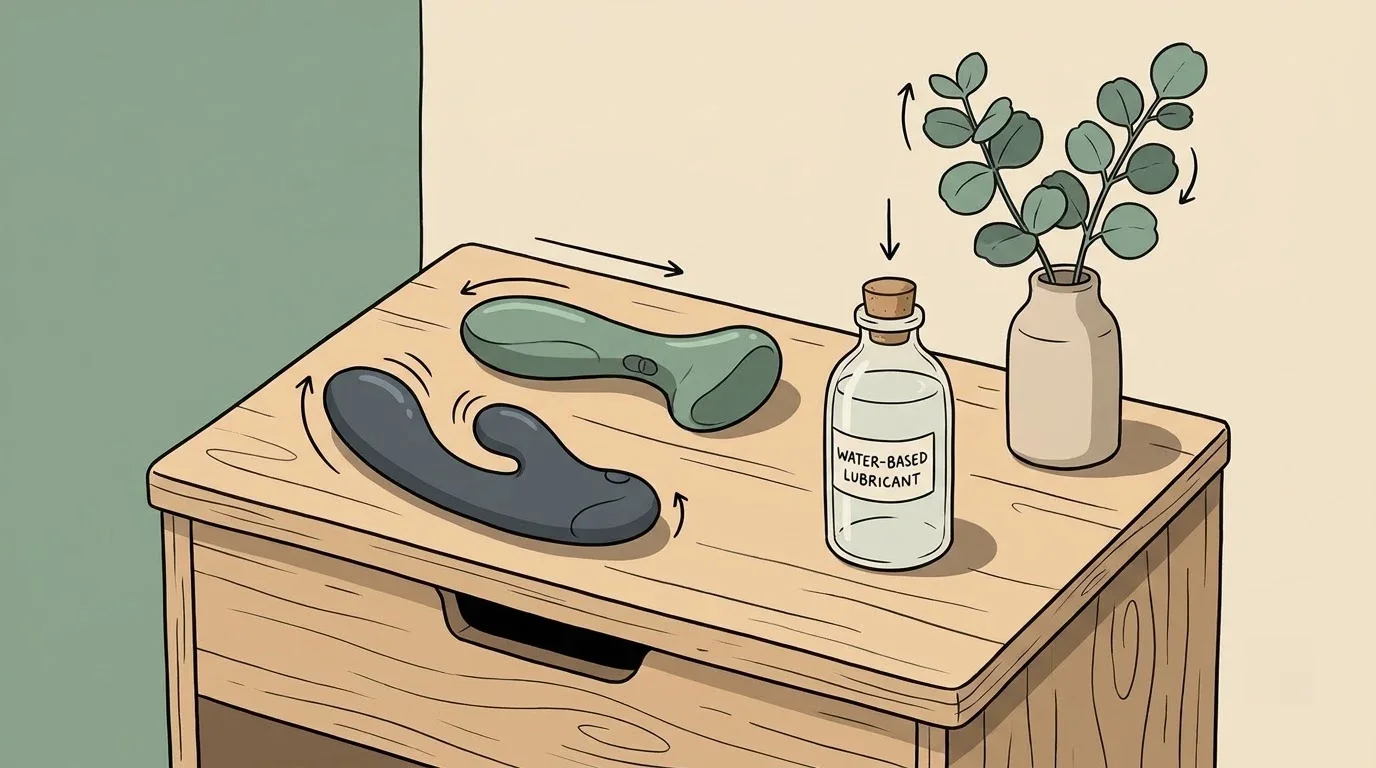
Coat the opening gasket and the entire shaft with a water-based lubricant. Never pump dry; friction between moving skin and the acrylic tube wall can cause painful blisters.
3. Insert & Seat Flush
Place the cylinder over the flaccid penis and press the silicone base firmly against the pubic bone to form a vacuum seal.
4. Pump in Slow Pulses
Squeeze the hand lever or press the motorized button 3 to 4 times until you feel a firm, comfortable expansion. Never pump to the point of pain. If you feel sharp pinching or see skin discoloring, hit the quick-release pressure valve immediately.
5. Interval Cycling (3x5 Minutes)
Urologists recommend pumping for 5 minutes, hitting the release valve to allow fresh arterial blood flow for 60 seconds, and repeating for a total of three 5-minute cycles (15 minutes total).
Air Pumps vs. Hydro-Pumps (Bathmate Style)
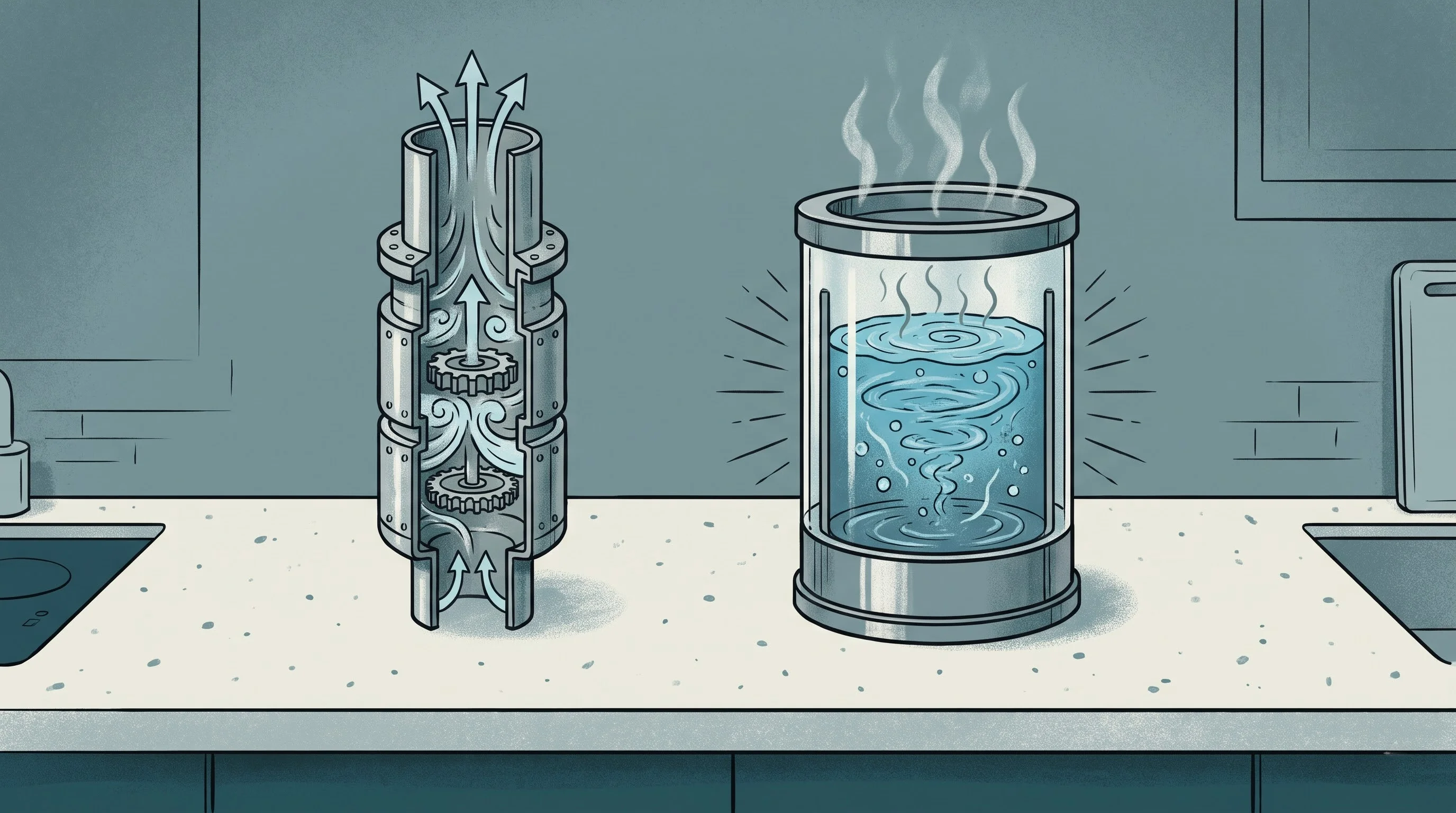
| Feature | Traditional Air Pumps | Hydro-Pumps (Water-Based) |
|---|---|---|
| Medium | Air vacuum via manual bulb or motor | Warm bath or shower water inside cylinder |
| Pressure Distribution | Can sometimes draw fluid unevenly | Hydrostatic water pressure cushions the skin evenly |
| Best Location | Bedroom vanity or nightstand | Warm bath or shower exclusively |
| Verdict | ⭐ Best for ED management & quick ring placement | ⭐ Best for luxurious sensory warmth & comfort |
The 15-Minute Rule & Pressure Safety Gauges
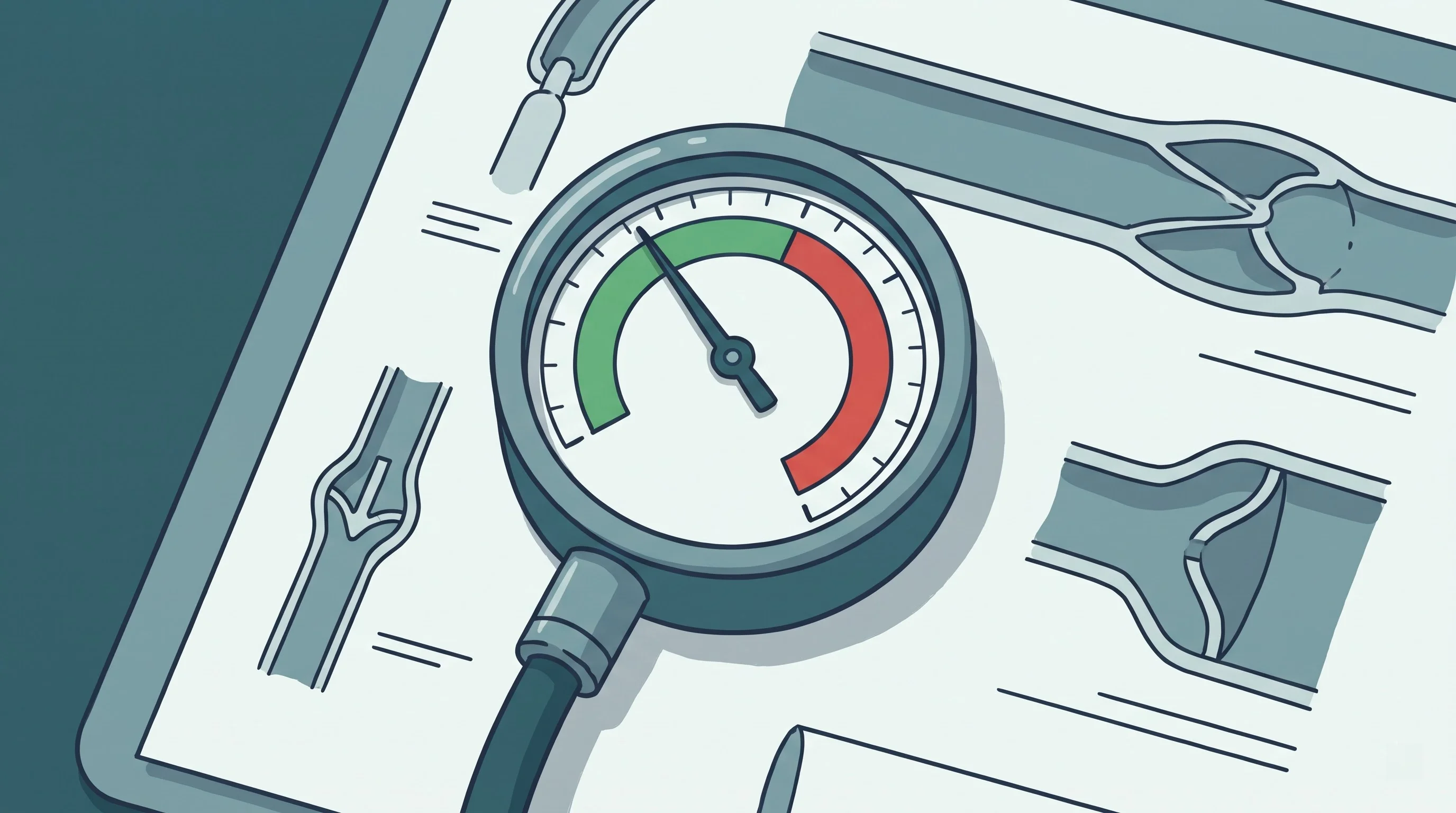
Your vascular health depends on respecting pressure boundaries:
- Invest in a Gauge: Always purchase a pump equipped with an integrated barometric vacuum gauge. Safe therapeutic pressure sits between 5 and 15 inHg (inches of mercury). Anything above 18 inHg risks rupturing superficial capillaries (petechiae).
- Watch for ‘Donutting’: If excessive lymph fluid collects in a puffy ring just behind the glans, you have pumped with too much vacuum pressure. Release immediately; the fluid reabsorbs naturally over 24 hours.
- The 30-Minute Ring Limit: Once a base constriction ring is in place, never leave it on for more than 30 minutes. Oxygen-depleted blood must be allowed to recirculate.
Interactive Check: What Is Your Pumping Goal?
How do you intend to use your pump? Tap to see optimal settings:
Related Guides & Further Reading
Quick check
What is the primary medical and physiological mechanism that allows a penis pump to create an erection?
Negative atmospheric pressure inside the cylinder creates a pressure differential that draws oxygenated arterial blood into the penile corpora cavernosa
Spot on! By evacuating air from around the shaft, ambient vascular pressure forces arterial blood to rush into the spongy erectile chambers.
Mechanical vacuum suction permanently stretches the penile suspensory ligament
The suspensory ligament is deep connective tissue; pumps operate strictly on vascular hemodynamic fluid dynamics, not ligament stretching.