On this page
The short answer
Disposing of an intimate device responsibly requires separating motorized electronics from pure materials. Never throw rechargeable lithium-ion toys into general household rubbish, as compaction trucks can crush the battery, sparking landfill fires. Instead, sanitise the toy thoroughly, remove batteries if detachable, and deposit electronic devices into local UK small electrical recycling banks (WEEE) or take advantage of retailer trade-in recycling schemes like Lovehoney's trade-in service. Pure non-motorized silicone can be recycled through specialist silicone reclamation programs.
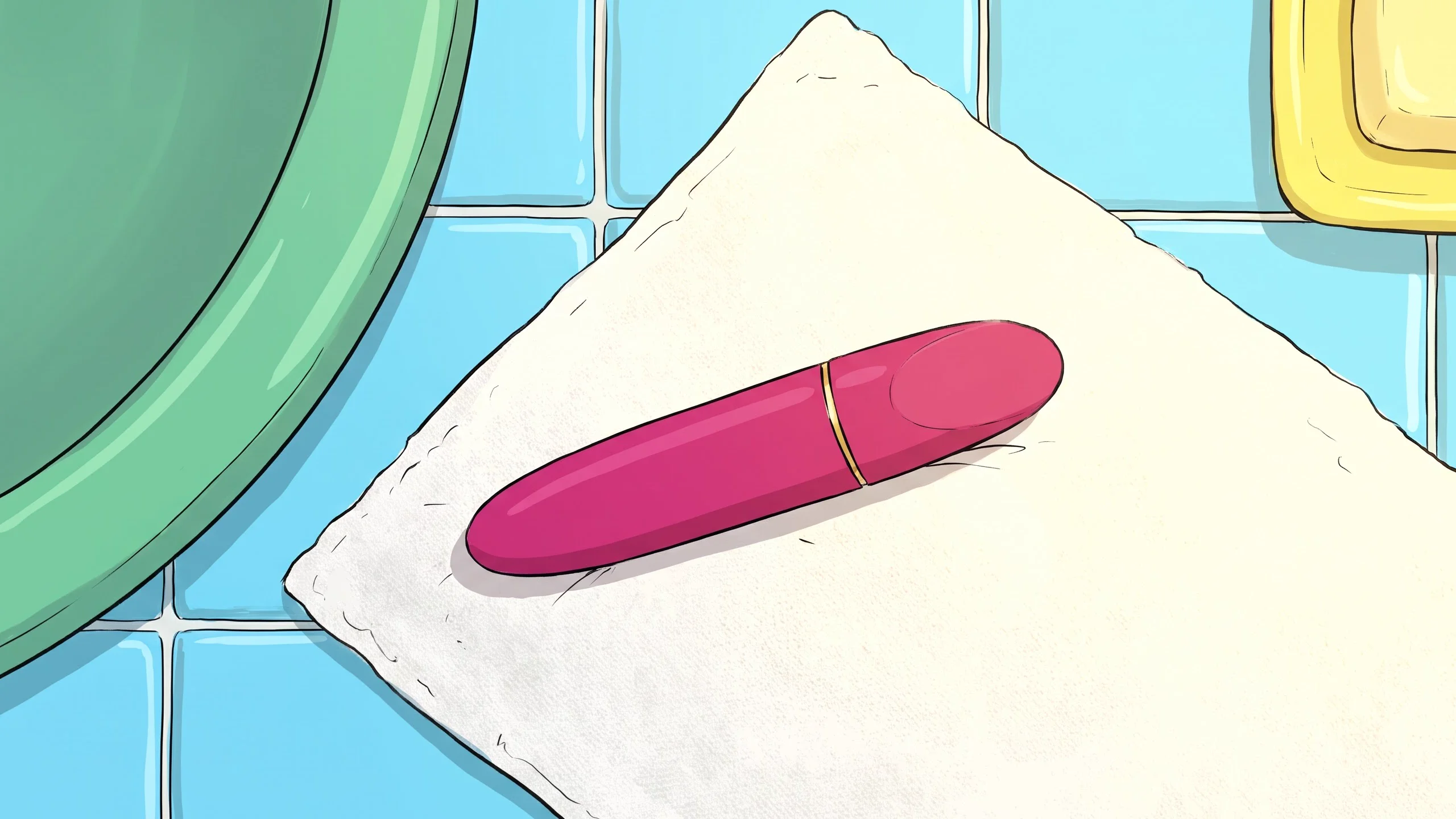
There comes a poignant moment in every intimacy toy’s lifecycle when it reaches the end of the road. Perhaps a beloved rabbit vibrator has hummed its final tune after five loyal years of service. Perhaps an old beginner bullet has developed sticky, degraded plastic from exposure to the wrong lubricant, or you have simply outgrown a novelty device you no longer reach for.
At this juncture, an acute sense of awkwardness typically strikes: Can I simply chuck this into my kitchen bin? What if the bin bag splits and the neighbours see it? And isn’t there a lithium battery inside that shouldn’t end up in a landfill?
Retiring an intimate toy is an intersection of environmental responsibility, electrical fire safety, and personal privacy.
Throwing a motorized vibrator into the general municipal rubbish is not merely an ecological faux pas; it poses a genuine fire hazard to waste collection workers. Here is your definitive, discreet, and eco-friendly roadmap for saying goodbye to old intimacy gear.
TL;DR: The Golden Disposal Rules
If you need a quick answer before bin day, here is the short protocol:
- Rechargeable or Battery-Powered Toys: Never in the general bin. They contain printed circuit boards, copper wiring, and lithium cells. Treat them as small electricals (WEEE) at municipal recycling points or via retailer take-back programs.
- Pure 100% Medical Silicone (Non-Motorized): Dildos, menstrual cups, or anal plugs without motors cannot go in standard domestic curbside recycling bins, but can be mailed to specialist silicone recycling facilities or wrapped securely for general waste.
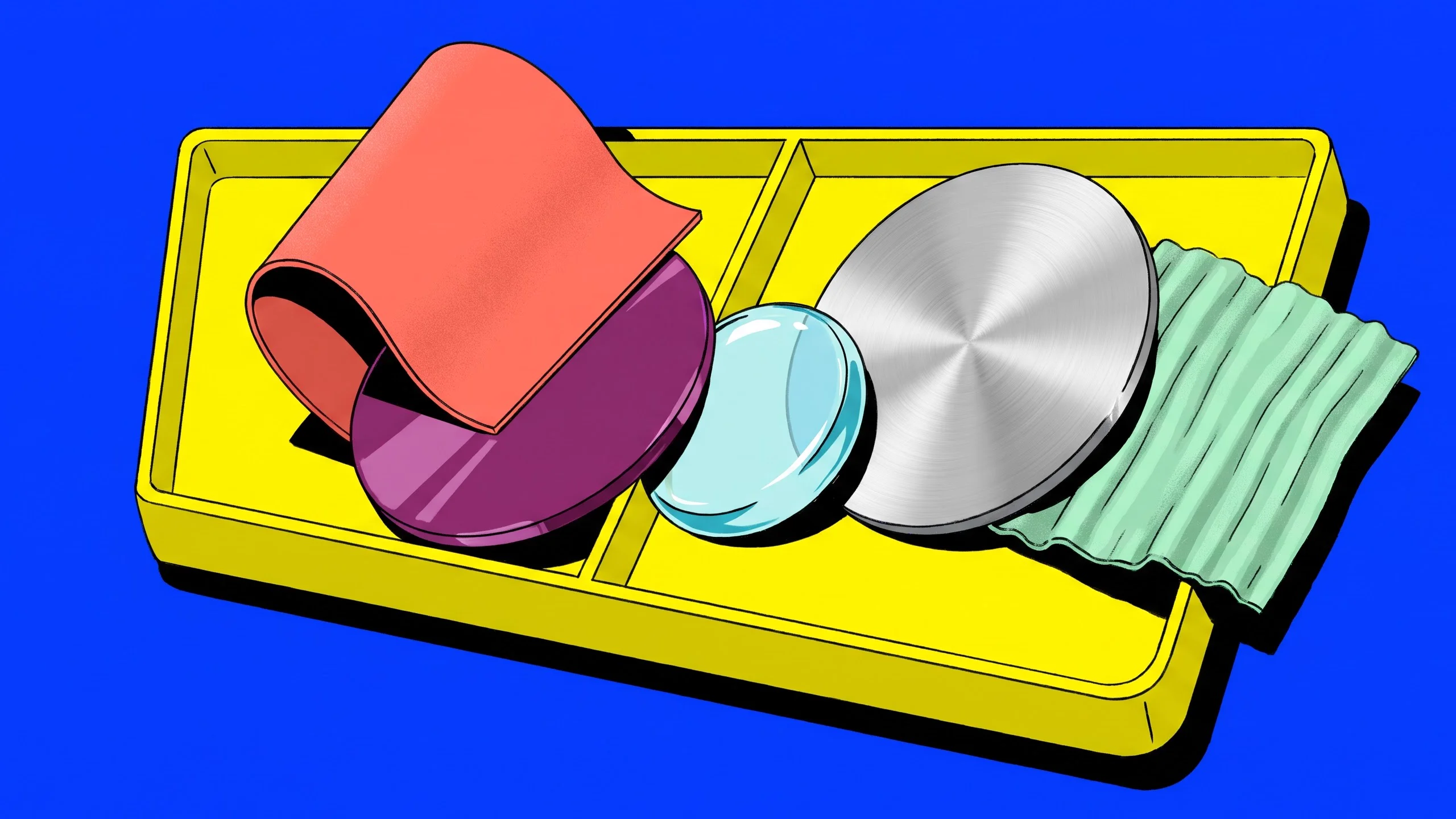
- Borosilicate Glass or Metal: Non-motorized wands and stainless steel plugs can be recycled through scrap metal or specialized glass recycling banks once thoroughly sanitized.
The Retirement Check: 4 Signs a Toy Must Go
Before deciding how to dispose of an item, ensure it actually needs retiring. Some issues are easily solved (like wiping magnetic charging contacts with isopropyl alcohol), but the following four signs mean it is time for a permanent farewell:
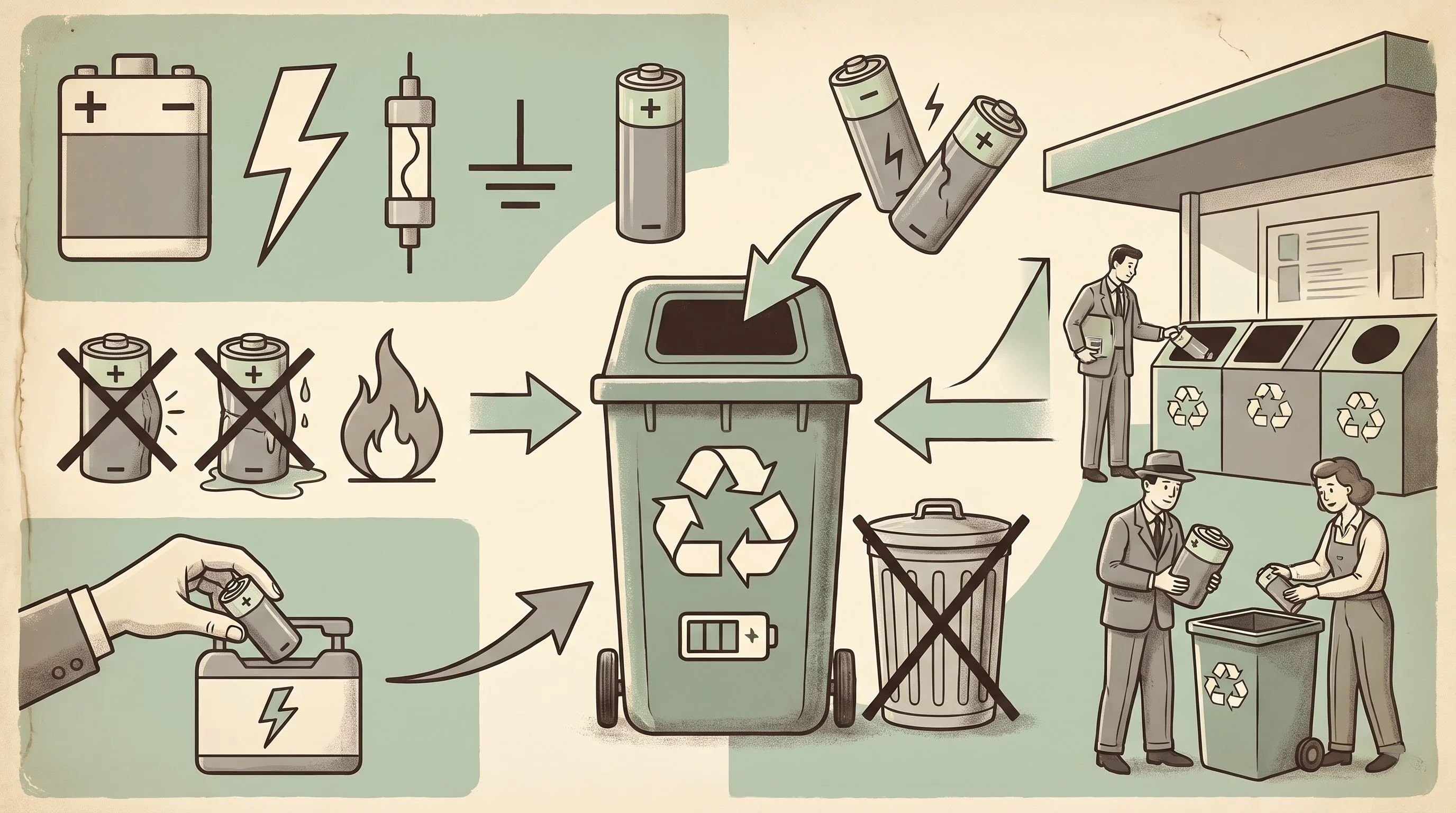
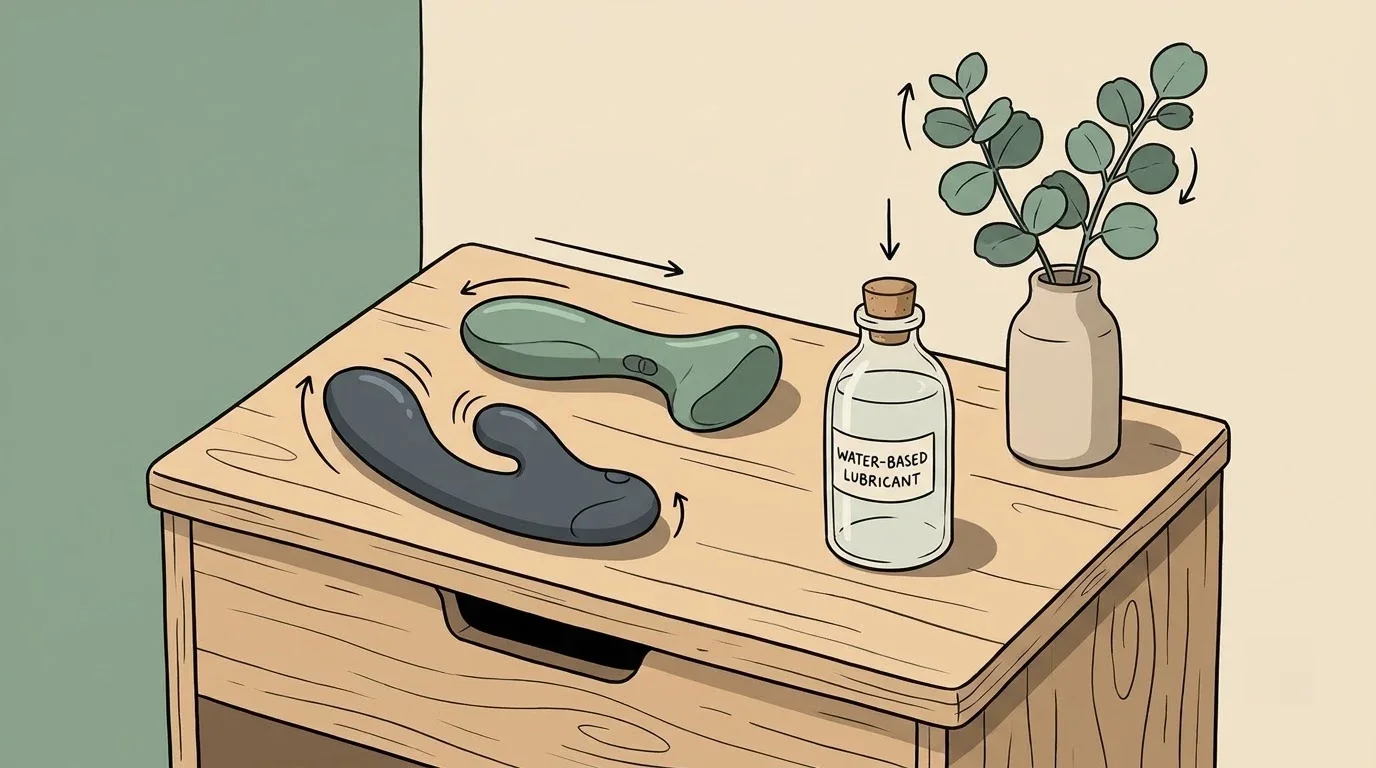
- The ‘Sticky Melt’ (Chemical Degradation): If your toy feels unpleasantly sticky, gooey, or tacky to the touch despite thorough washing with soap, the material has degraded. This frequently occurs when silicone lubricant is mistakenly used on silicone toys, or when low-grade TPR/jelly rubber leaches toxic phthalates. Degraded surfaces cannot be sanitized and harbor bacteria.
- Micro-Tears and Punctures: A tiny rip or fissure along the silicone skin exposes the porous internal foam or mechanical core to moisture and bodily fluids, creating an inaccessible breeding ground for mold and pathogens.
- Battery Swelling or Rapid Depletion: If a rechargeable device becomes noticeably warm to the touch while charging, smells faintly metallic, or drains its full charge within 90 seconds, the lithium-ion pouch cell has degraded and must be retired immediately.
- Motor Sputter and Grinding: When internal gears slip or emit a harsh rattling shriek, mechanical wear has compromised the motor casing.
The Hidden Hazard: Lithium Batteries & Landfill Fires
Why are municipal waste authorities so passionate about e-waste? The culprit is the lithium-ion battery.
According to the Environmental Services Association (ESA), hundreds of waste facility fires are triggered every year across the UK by ‘zombie batteries’ thrown carelessly into household bins. When garbage compactor trucks crush general rubbish bags, the steel compaction blade easily punctures soft lithium-ion cells. The resulting thermal runaway sparks intense chemical fires that ignite surrounding dry paper and plastics within seconds.
Furthermore, when buried in landfills, decaying batteries leak toxic heavy metals (cobalt, nickel, manganese) into local soil and aquatic ecosystems. Diverting your old vibrator to an accredited electrical recycling bank ensures these valuable metals are recovered and repurposed into new clean energy technology.
🛑 Bedroom Myth-Busting: The Council Inspection Myth
The Myth: "If I bring an intimate vibrator to a municipal recycling depot, workers will inspect it and shame me."
The Reality: Recycling center staff handle thousands of discarded electronic items every single day, from broken electric toothbrushes to blenders and smartphones. Many modern adult wellness devices are indistinguishable from facial contouring wands or body massagers. Once dropped into the small electricals bin, items are mechanically sorted, shredded, and smelted for raw copper and precious metals without human judgment.
UK WEEE Regulations: Small Electricals Explained
Under the UK Waste Electrical and Electronic Equipment (WEEE) regulations, any consumer item with a plug, a charging cord, or an internal battery must be collected and treated separately from municipal solid waste.
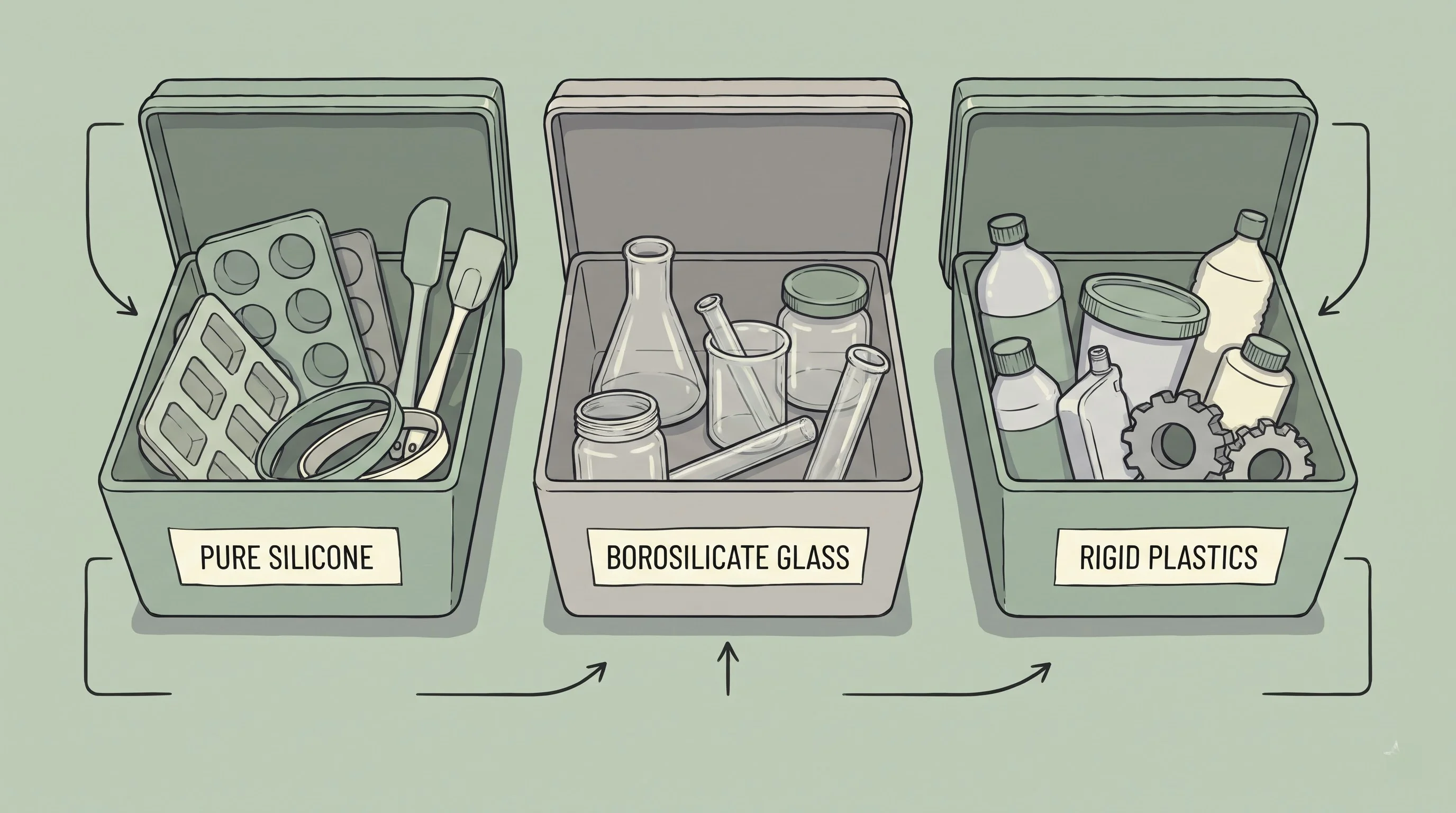
Look on the underside of your device or near its charging port: you will almost certainly spot the crossed-out wheelie bin symbol. This international icon is the legal directive that this device must enter an accredited e-waste stream:
- Supermarket Battery Bins: If your device uses replaceable alkaline batteries (AA or AAA), remove the batteries and drop them into the dedicated battery collection cylinders located at every major UK supermarket (Tesco, Sainsbury’s, Asda, Waitrose).
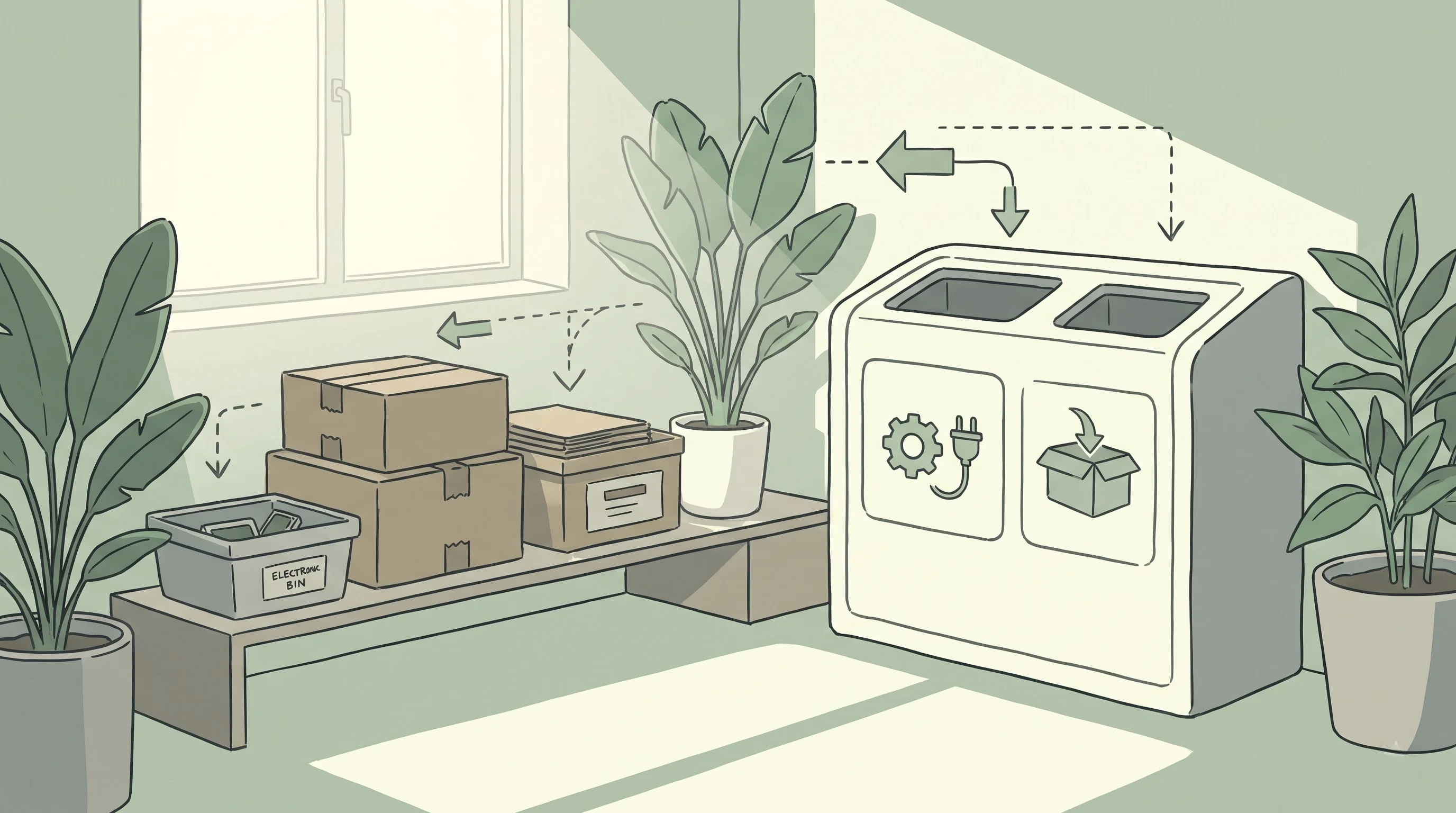
- Council Small Electrical Bins: Most local recycling centers (household waste recycling centers, or HWRCs) feature dedicated pink or green skips for ‘Small Electrical Appliances’.
Retailer Take-Back Schemes: Discounts for Recycling
If visiting a council recycling center feels too public, you can take advantage of discreet retailer trade-in and take-back schemes:
- Lovehoney ‘Love Not Landfill’: Major UK intimacy retailer Lovehoney operates a dedicated recycling initiative. You can request a prepaid postage label, package your old cleaned toys (from any brand), and mail them to their processing center. In return, participants frequently receive reward vouchers or discounts toward their next body-safe purchase.
- High Street In-Store Bins: Retailers like Currys and John Lewis accept any small household electronics for free recycling under UK take-back laws, regardless of whether you bought the original item from them.
Interactive Check: How Should Your Device Be Retired?
What kind of intimate item are you looking to dispose of? Tap for the path:
The 3-Step Confidential Farewell Ritual
If privacy anxiety is holding you back, follow this dignified, foolproof 3-step sequence:
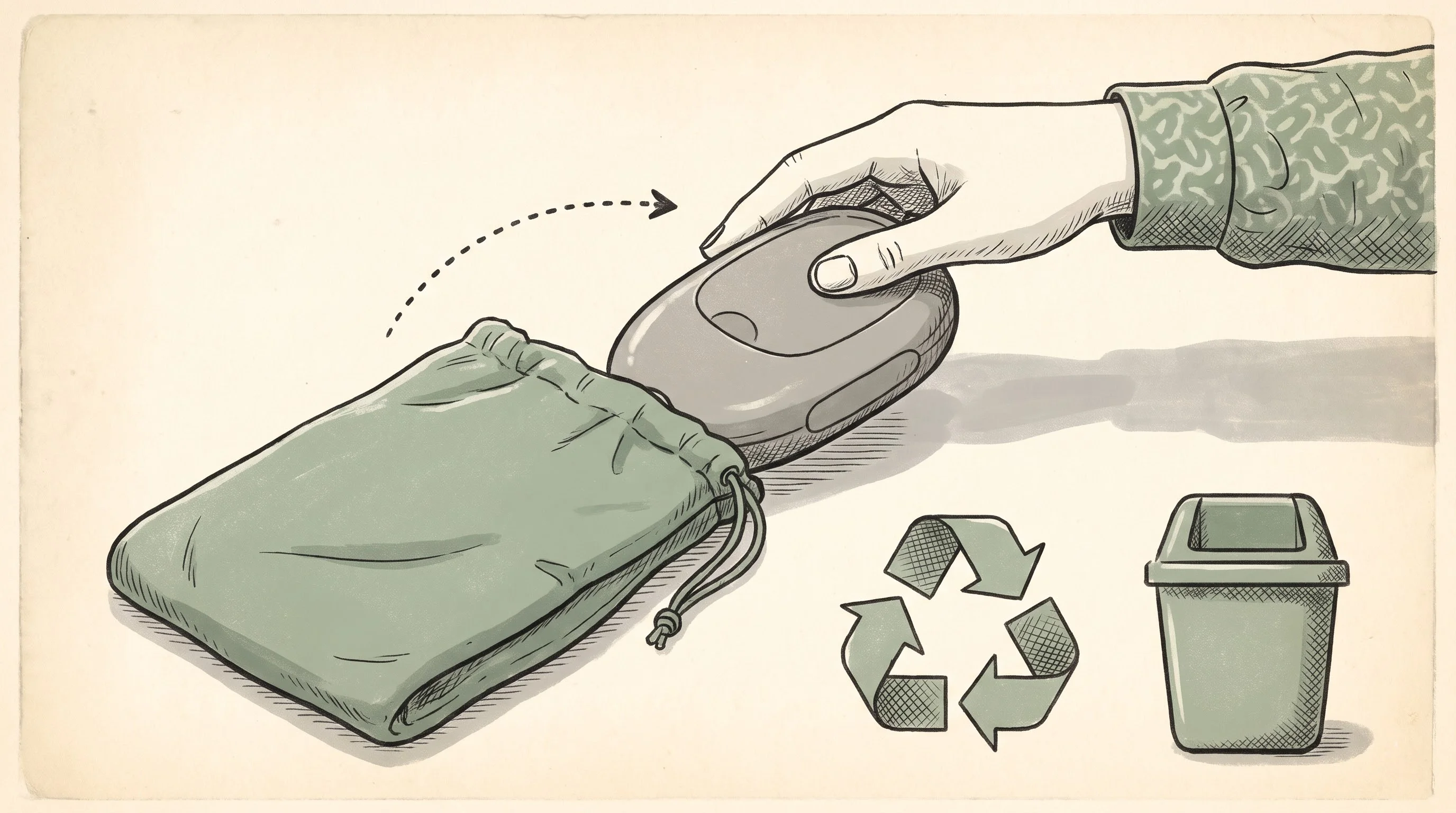
- Step 1: The Deep Sanitisation Wash
Wash the item thoroughly with antibacterial soap and warm water, then wipe the exterior with rubbing alcohol. Even though you are parting ways with the device, handling a clean object makes packaging and transport comfortable and dignified. - Step 2: Battery Isolation
If the toy takes replaceable AA/AAA batteries, remove them and tape the terminal ends before dropping them in a supermarket battery bin. If it is permanently sealed with an internal battery, ensure the travel lock is enabled so it cannot accidentally vibrate in transit. - Step 3: Opaque Packaging
Slip the sanitized device inside an opaque paper bag, an old shoebox, or an envelope. Label it simply as ‘Small Electronics - WEEE’ if using a drop-off bin. It is completely anonymous, safe, and environmentally sound.
💡 Tap to Reveal: What About Selling or Donating Used Toys?
For health and safety reasons, mainstream charity shops (Oxfam, British Heart Foundation, Cancer Research) cannot accept used intimacy devices, even if made of medical-grade silicone. The only exception is non-porous items made of 100% borosilicate glass or medical stainless steel, which can be fully boiled and sterilized for private adult peer exchanges, though most people prefer fresh, unboxed equipment for peace of mind.
Related Guides & Further Reading
Quick check
Why should you never throw a motorized, rechargeable sex toy directly into your general household wheelie bin?
Rechargeable lithium-ion batteries present severe fire hazards when crushed in waste compaction trucks and contaminate landfills with heavy metals
Spot on! Under UK and international WEEE regulations, all battery-powered electronics must be diverted to dedicated e-waste recycling streams.
Council waste collectors are legally mandated to return adult novelties to the manufacturer
Waste management operators do not return items; the restriction is purely an environmental, chemical, and fire safety issue.