On this page
The short answer
Edging (also known as orgasm control, peaking, or surfing) is the practice of bringing sexual arousal right to the brink of the 'point of no return' (around 9 on a scale of 10), pausing or backing off until arousal drops to 6, and repeating the cycle several times before finally allowing climax. Clinically, this delays ejaculation or vaginal orgasm, dramatically elevates dopamine and pelvic blood volume, and makes the final release immensely more intense.
In our high-speed, modern world, almost everything is engineered for instant gratification: high-speed broadband, on-demand streaming, instant food delivery, and yes, quick five-minute orgasms squeezed in before the morning alarm rings.
While a quick climax has its time and place, treating sex like a sprint to a finish line misses out on the vast, intoxicating landscape of the human nervous system.
Enter edging—often called peaking, surfing, or orgasm control.
Far from being a punishing chore or exclusive to esoteric tantric monasteries, edging is one of the most accessible, pleasurable, and scientifically fascinating ways to elevate your sex life. By intentionally riding the waves of arousal right to the razor’s edge of climax and pulling back, you train your brain to savor the journey, unlock mind-melting physical intensity, and gain master-level control over your body.
Here is your shame-free medical roadmap on how edging works, why it feels so spectacular, and how to give it a try tonight.
TL;DR: The 1-to-10 Arousal Scale
The entire practice of edging relies on mental calibration using the Masters & Johnson Arousal Scale:
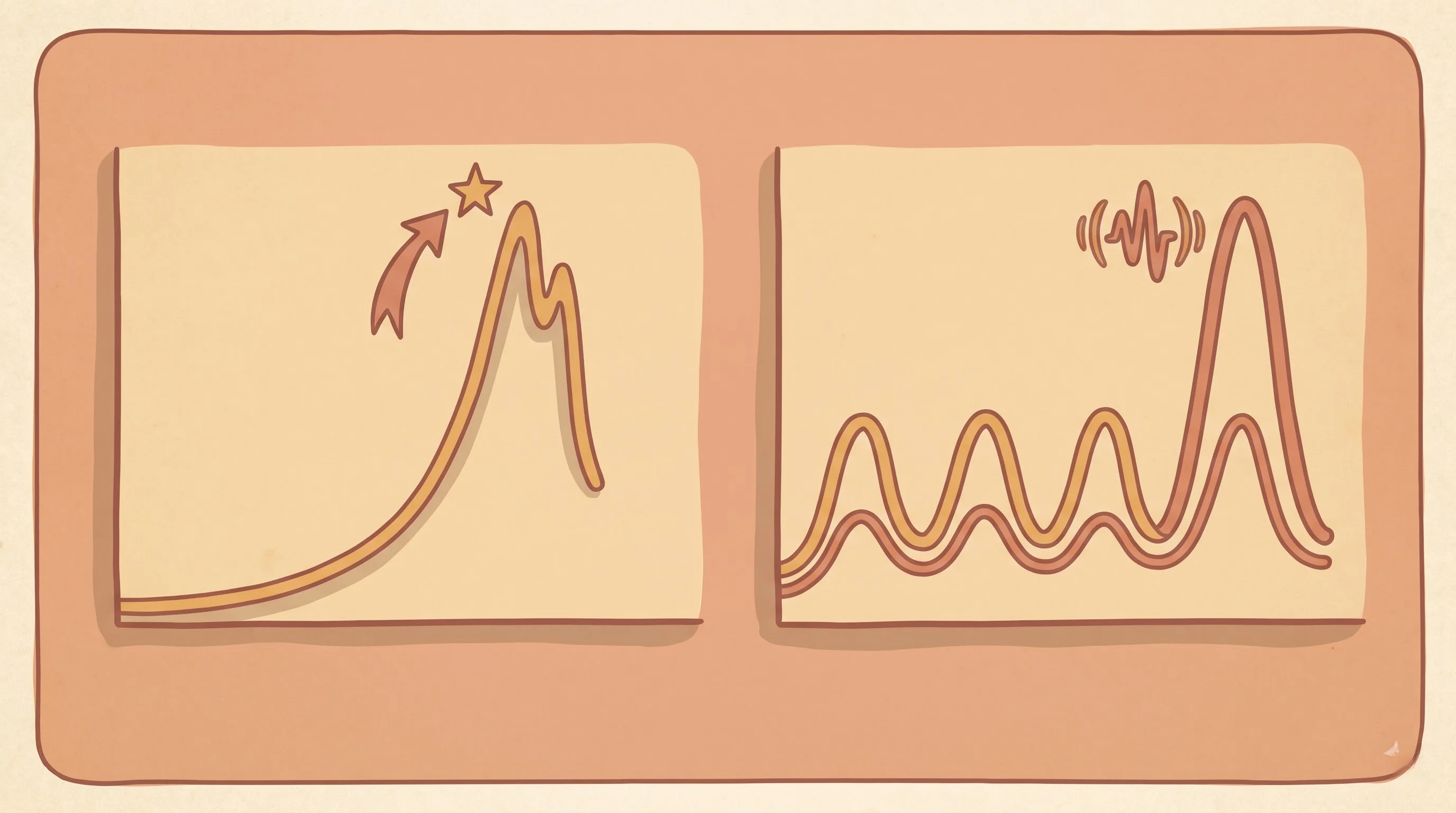
- Level 1 to 4: Baseline resting state transitioning into initial warmth, gentle erection or vaginal lubrication, and elevated heart rate.
- Level 5 to 7 (The Sweet Plateau): Deep, radiant pelvic arousal. Everything feels electric; thoughts slow down.
- Level 8 to 9 (The Edge / Cliffhanger): Breathing becomes rapid; pelvic muscles begin involuntary pre-orgasmic fluttering. You are seconds away from the “point of no return.”
- Level 10: Inevitable, explosive climax.
The Golden Rule of Edging: You bring yourself to Level 9, immediately stop or switch to feather-light touch until you drop back to Level 6, wait 60 seconds, and repeat. Do this 3 to 5 times before finally crossing into Level 10.
Bedroom Myth-Busting: The ‘Painful Stasis’ Myth
🛑 Bedroom Myth-Busting: The 'Blue Balls' Lie
The Myth: "Edging will give you severe, dangerous testicle cramps ('blue balls') or pelvic congestion that requires emergency medical release."
The Reality: Temporary dull aching (epididymal hypertension) only occurs if an individual remains at maximum vasocongestion for hours without *ever* releasing or actively cooling down. Edging culminates in an eventual release that flushes the vascular beds completely. Furthermore, gentle walking, drinking cool water, or slow diaphragmatic breathing dissipates venous pooling within minutes without any lasting harm.
The Science: Dopamine, Vasocongestion & Muscular Waves
Why does an orgasm after twenty minutes of edging feel ten times more powerful than a two-minute rush?
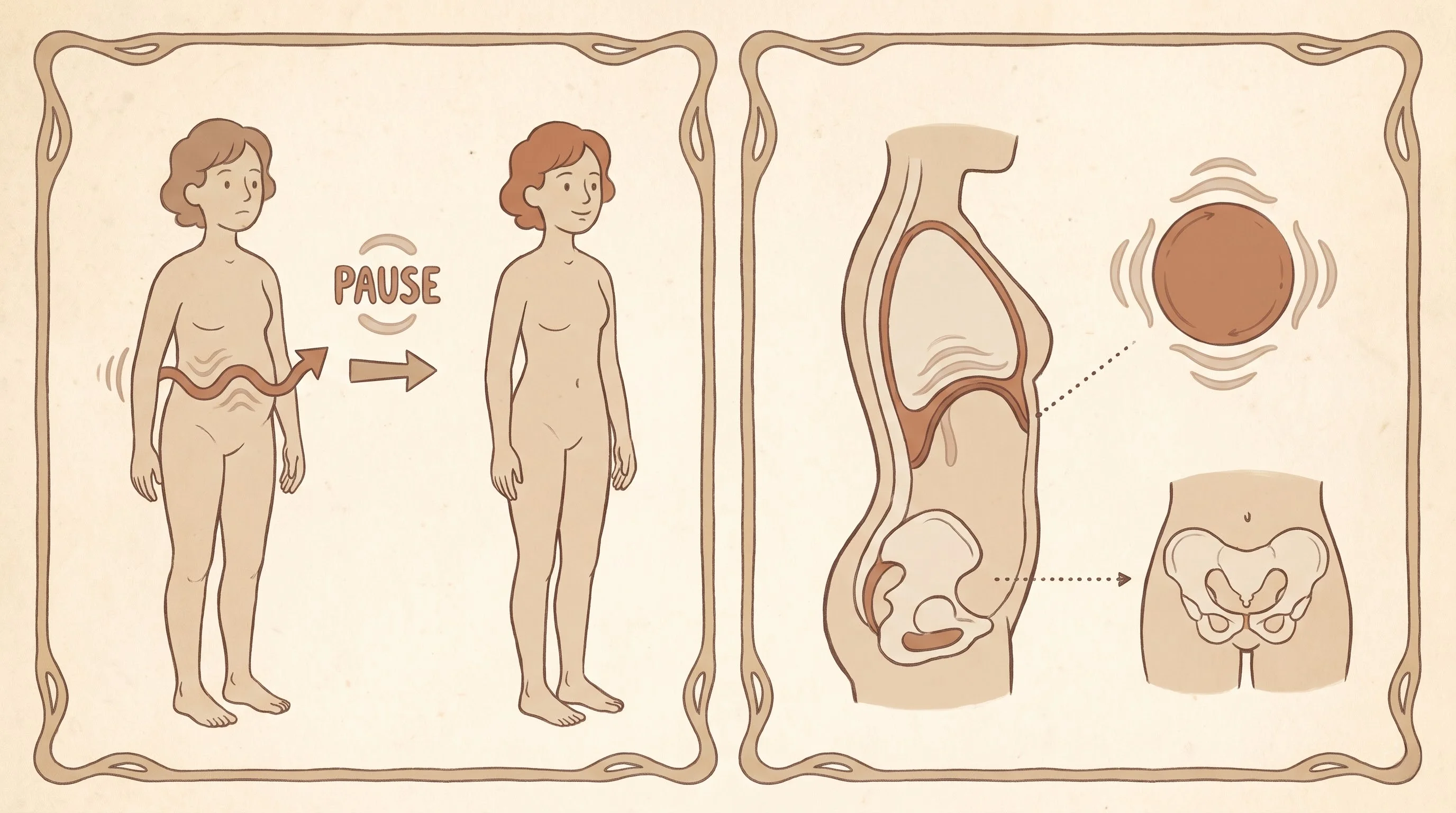
- Massive Pelvic Vasocongestion: With each arousal wave, arterial blood flows into the pelvic spongy tissue (the clitoral bulbs, shaft, and corpus cavernosum). Pausing keeps this blood trapped in the pelvic floor, swelling erectile tissue to maximum physiological dimensions.
- Dopamine Saturation: In neurobiology, dopamine is the neurotransmitter of anticipation, not satisfaction. Prolonging the chase floods your brain’s reward centers with dopamine, heightening every sensory nerve ending on your skin.
- Hyper-Forceful Muscular Spasms: When you finally give the green light at Level 10, the pubococcygeus (PC) and bulbospongiosus muscles contract with vastly greater neurological force, producing longer, deeper, whole-body spasms.
Step-by-Step Solo Edging Protocol
Follow this simple 4-step sequence during your next solo session:
1. Set a 20-Minute Timer
Commit to not climaxing before the timer sounds. Setting a definitive clock takes performance pressure off your shoulders and keeps your mind focused on sensation.
2. Slow Down the Stroke Rate
Whether using your hand or a toy, start at half your usual speed. Focus on breathwork—inhaling deeply through the nose and expanding your belly, exhaling slowly through parted lips.
3. Hit the Brake at 9
The instant you feel that magnetic, electric wave signaling that climax is unavoidable in 3 seconds—stop all movement. Take your hands off your genitals entirely. Do not squeeze; relax your buttocks and pelvic floor completely.
4. The 60-Second Reset
Breathe slowly for one minute until the urgent throbbing cools into a mellow hum (Level 6). Then, slowly begin stroking again. Aim for 3 complete cycles on your first attempt.
Partnered Edging: Surrendering the Controls
Edging with a partner transforms solo masturbation into a breathtaking game of trust, communication, and power exchange:
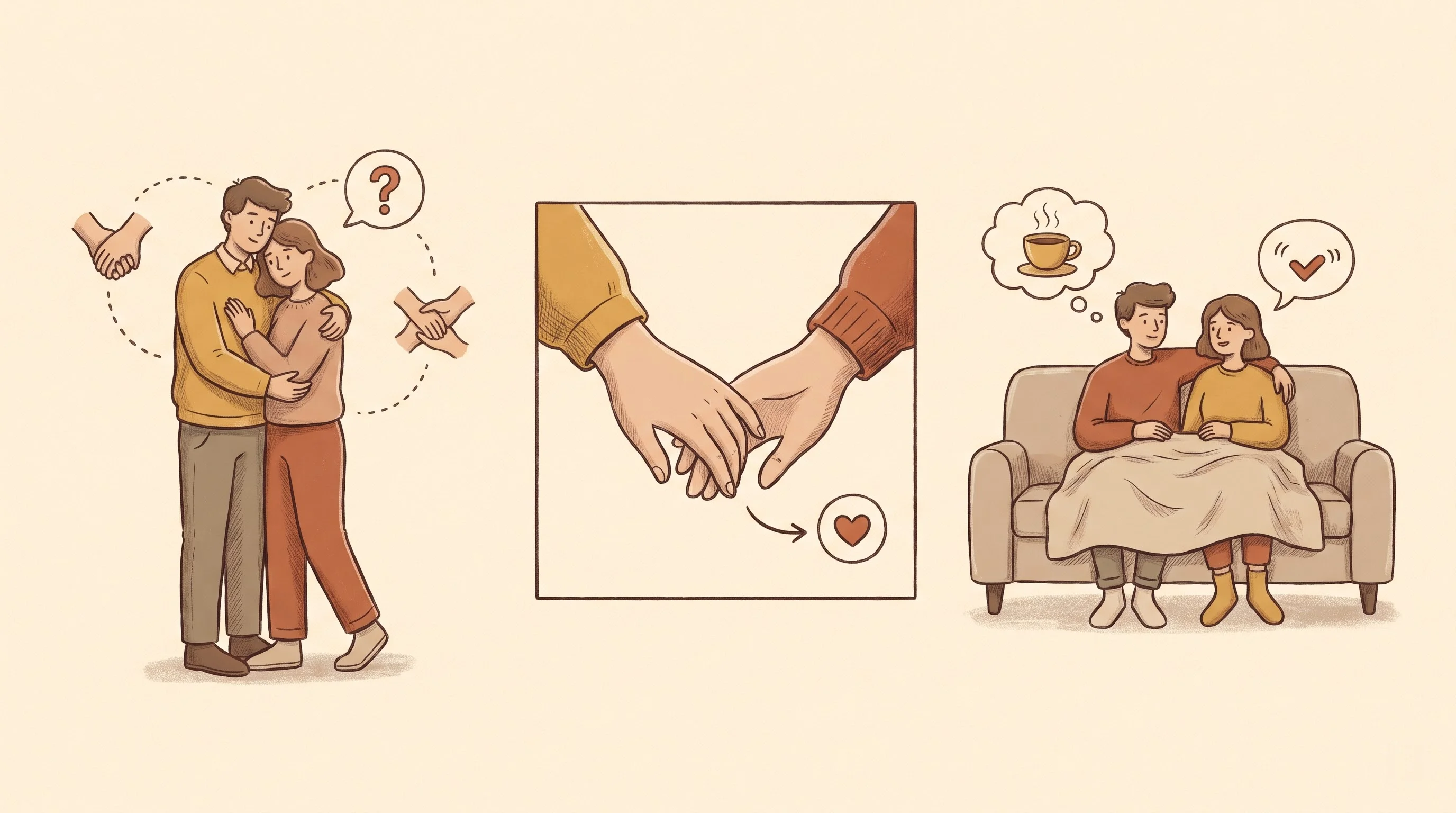
- The Tap Signal: Because verbal speech can be difficult under heavy arousal, establish a physical cue: one gentle tap on your partner’s shoulder means “I am at Level 8, slow down,” while two taps means “Stop completely!”
- The Squeeze Technique: For penis owners, applying firm, gentle compression between thumb and forefinger around the corona (just below the glans) for 15 seconds safely halts the ejaculatory reflex.
- The Whispered Plateau: The partner giving touch can use quiet verbal praise to ground the receiving partner, asking them to describe the warmth spreading through their body.
Best Toys to Enhance the Plateau
- Silicone Cock Rings: Placed snugly at the base of the penis or scrotum, a ring gently slows venous drainage, keeping erections fuller during pause periods.
- Variable-Speed Wand Massagers: Toys with dial controls allow you to step down the vibration intensity smoothly rather than abruptly cutting off motor power.
- Strokers with Squeeze Walls: Male masturbation sleeves that allow manual compression give pinpoint sensory control over the shaft.
Interactive Check: What Is Your Edging Target?
What is your main motivation for exploring edging? Tap your match:
Related Guides & Further Reading
Quick check
What physiological change occurs when you repeatedly build arousal to the threshold of climax and back off before final release?
Prolonged pelvic vasocongestion floods erectile tissues with maximum blood volume, generating more forceful involuntary muscular contractions during the eventual climax
Spot on! Edging maximizes pelvic vascular engorgement and neurochemical build-up, transforming the final release into a profoundly powerful, full-body event.
Repeated pauses cause the pelvic floor to become permanently desensitized to touch
Sensory nerves become hyper-attuned and responsive to subtle stimulation, not desensitized.