On this page
The short answer
The safest, most versatile lubricant for virtually all sex toys is a 100% water-based or organic aloe-based formula. These are completely inert with silicone, TPE, glass, metal, and latex condoms. Avoid silicone lubricants on silicone toys to prevent chemical melting, never use kitchen oils or petroleum with TPE or latex, and steer clear of glycerin and parabens if you are prone to yeast infections.
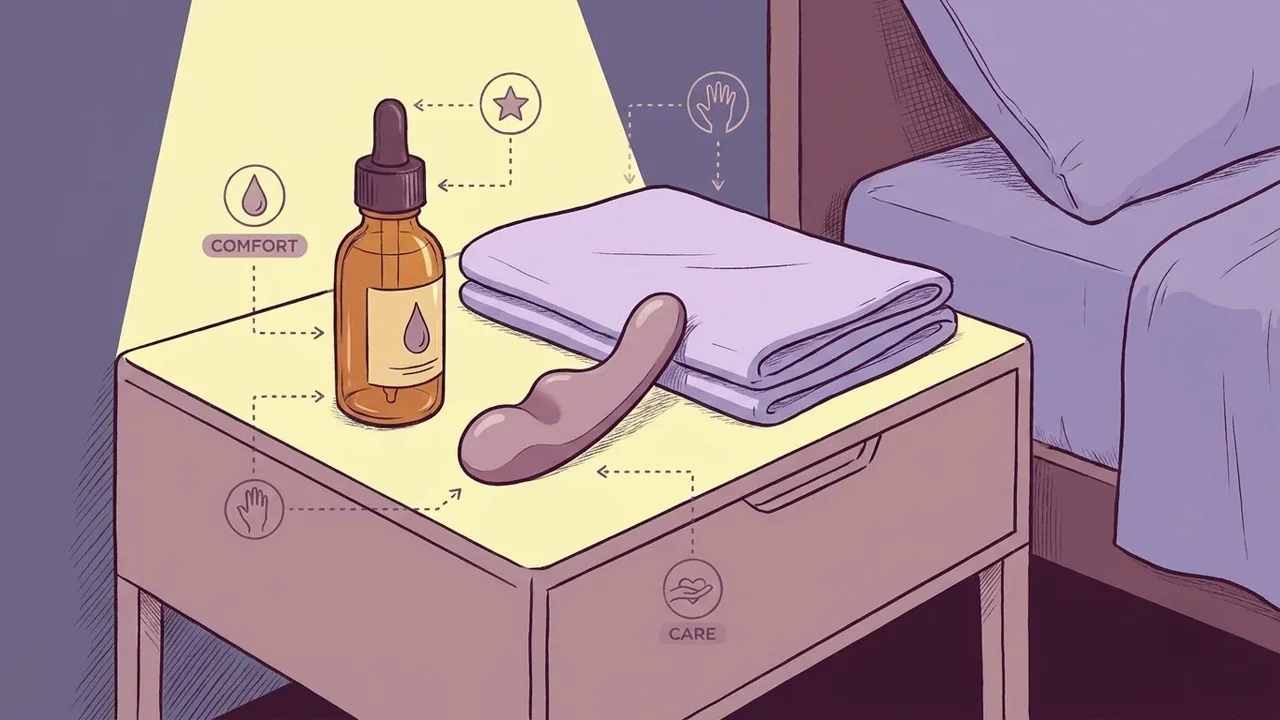
Lubricant is not merely an optional bedroom accessory. In modern intimate wellness, lubricant is the engine that makes sex toys comfortable, effective, and safe.
Without adequate lubrication, even the most expensive medical-grade silicone vibrator or ultra-soft male masturbator will create microscopic friction abrasions against delicate mucous membranes, leading to post-play soreness, burning, and increased vulnerability to infections.
However, walking into an adult wellness boutique or browsing an online pharmacy can be bewildering. Bottles boast water bases, silicone oils, organic plant gums, aloe extracts, warming agents, and varying degrees of thickness.
Worse still, pairing the wrong lubricant with the wrong toy material can permanently melt an expensive device, degrade latex barriers, or trigger acute allergic reactions.
Here is your straightforward, clinical guide to decoding lubricant formulations, matching fluid viscosity to your specific toys, and avoiding harmful hidden chemical additives.
1. The 4 Lubricant Families & Material Compatibility Matrix
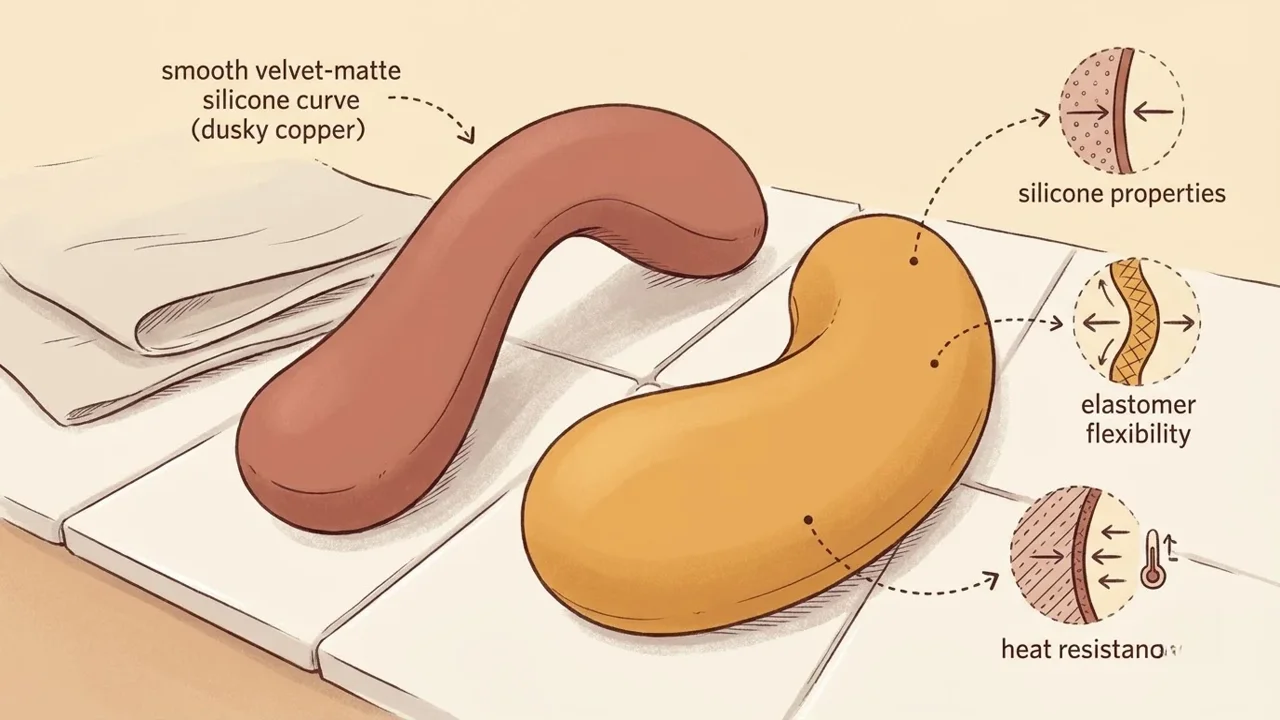
Every intimate lubricant falls into one of four primary chemical categories. Understanding their molecular behavior is the foundation of toy safety.
1. Pure Water-Based Lubricants (Universal Standard)
Formulated with purified water and plant cellulose (such as hydroxyethylcellulose), pure water-based lubricants are the undisputed universal standard for adult wellness devices.
- Toy Compatibility: 100% safe for medical-grade silicone, TPE/TPR, borosilicate glass, stainless steel, ceramic, and latex condoms.
- Benefits: Washes out of bedsheets and clothes effortlessly, cleans off toys with simple tap water, and leaves zero oily residue.
- Drawbacks: Absorbs into skin and evaporates over time, requiring occasional reapplication or a light mist of water to reactivate.
2. Organic Aloe-Based Lubricants (The Sensitive Skin Upgrade)
Instead of a pure water base, these formulas utilize certified organic aloe vera leaf juice paired with gentle plant gums (like guar gum or xanthan gum).
- Toy Compatibility: 100% safe for all toy materials and barriers.
- Benefits: Provides a richer, cushiony slip that lasts significantly longer than standard water lubes without feeling sticky. Aloe naturally mimics the body’s natural cervical mucus and possesses mild anti-inflammatory properties.
- Drawbacks: Slightly premium price point; shorter shelf life once opened (typically 6 to 9 months).
3. Silicone-Based Lubricants (Long-Lasting & Waterproof)
Formulated from dimethicone and cyclomethicone, silicone lubricants contain zero water.
- Toy Compatibility: Strictly compatible with borosilicate glass, stainless steel, and rigid hard plastic (ABS) devices.
- ⚠️ The Danger: Never use silicone lubricant with silicone toys. As explored in our Silicone Lube Compatibility Guide, fluid siloxane molecules dissolve the solid silicone elastomer, causing irreversible pitting and surface melting.
- Benefits: Does not absorb into skin, never becomes tacky, and is 100% waterproof for shower and bathtub play.
4. Oil-Based & Natural Butters (Hands Only)
Formulated from mineral oil, petrolatum, coconut oil, cocoa butter, or jojoba oil.
- Toy Compatibility: Incompatible with virtually all flexible adult toys.
- ⚠️ The Danger: Oils chemically degrade and dissolve thermoplastic elastomers (TPE/TPR sleeves like Fleshlight), rot latex condoms within 60 seconds, and are difficult to wash out of porous surfaces. Keep oils strictly for external non-barrier body massage.
2. Viscosity Matching: Choosing the Right Texture for Your Toy
Not all water-based lubricants feel the same. Formulations range from water-thin liquids to dense, thick cushioning cushions. Matching viscosity to your toy’s mechanical function is essential:
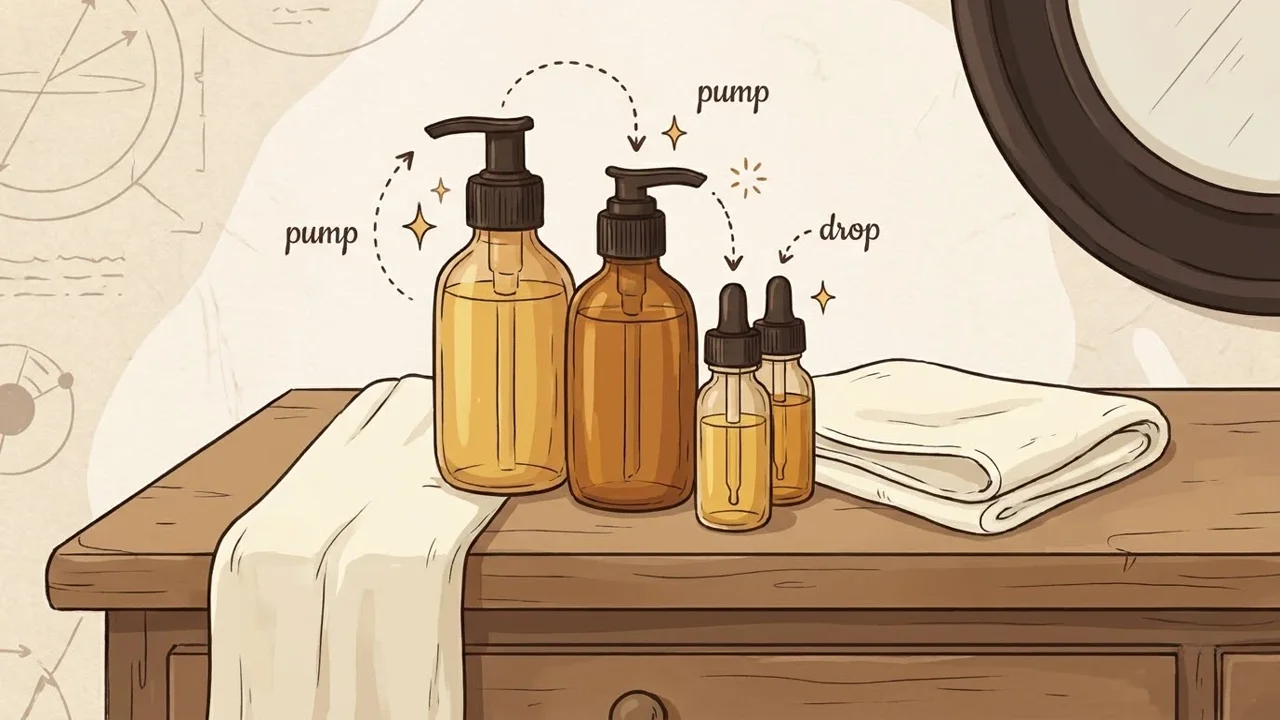
 Figure 1: Viscosity spectrum: Low-viscosity fluids prevent air-nozzle clogging, medium fluids provide versatile glide, and thick gels act as friction buffers.
Low-Viscosity (Liquid / Fluid)
- Best For: Air-pulse clitoral stimulators (e.g., Womanizer, Satisfyer, LELO Sona).
- Why: Air-pulse devices work via sonic pressure waves travelling through an open nozzle cavity. If you apply a thick, sticky gel, the suction pulls the dense jelly directly into the internal diaphragm, muffling the air pulse and clogging the internal motor. Low-viscosity liquids provide slick hydration around the rim without blocking airflow.
Medium-Viscosity (Velvet Cushion)
- Best For: Vibrating wands, bullet vibrators, and smooth G-spot dildos.
- Why: This is the goldilocks texture for standard penetrative and external stimulation. It offers enough substance to prevent friction burn under high-speed motor vibrations without feeling heavy or tacky.
High-Viscosity (Dense Barrier Gel)
- Best For: Anal plugs, prostate massagers, and tight TPE masturbation strokers.
- Why: The rectum produces no natural self-lubrication, and internal sphincter muscles exert heavy circumferential pressure that easily squeezes thin lubricants away. A high-viscosity, cross-linked gel acts as a physical cushion buffer, staying in place and eliminating friction throughout deep play.
3. Bedroom Myth-Busting: The ‘Natural Kitchen Oil’ Danger
🛑 Bedroom Myth-Busting: The 'Kitchen Cupboard' Lie
The Myth: "Extra virgin coconut oil or olive oil is completely natural, cheaper than commercial lube, and healthier for intimate play."
The Reality: While pure coconut oil is an effective skin moisturiser, using it with sex toys causes two severe problems: First, plant lipids permanently dissolve and degrade the polymer bonds in TPE masturbation sleeves and break down latex condoms. Second, clinical gynecological research demonstrates that oil coats the vaginal canal in a stubborn hydrophobic film that traps anaerobic bacteria and disrupts delicate lactobacilli, increasing the incidence of bacterial vaginosis (BV) and yeast infections.
4. The Ingredient Red-Flag Checklist: What NEVER to Put Near Your Mucosa
When inspecting a lubricant label, flip the bottle over and read the ingredients list carefully. Avoid formulas containing these four common irritants:
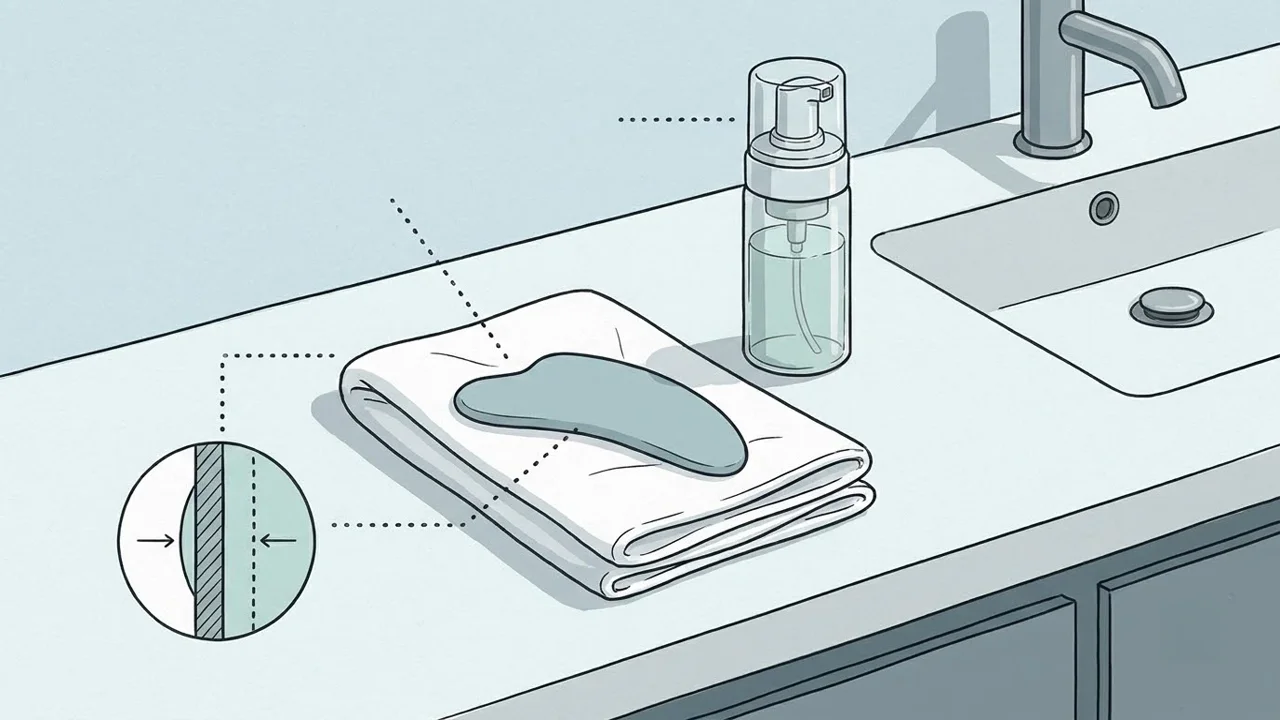
 Figure 2: Ingredient scrutiny: Pure botanical water and aloe bases protect mucosal epithelial barriers, whereas high-osmolality petrochemical additives trigger cellular dehydration.
1. High Osmolality (Hyper-Osmolar Formulas)
The World Health Organization (WHO) recommends that personal lubricants maintain an osmolality below 1,200 mOsm/kg (ideally under 380 mOsm/kg, matching natural vaginal secretions).
- Cheap drugstore lubes frequently exceed 3,000 mOsm/kg. Hyper-osmolar liquids pull moisture out of vaginal and rectal epithelial cells, causing cellular shrivelling, burning, and micro-tears that increase STI vulnerability.
2. Glycerin & Glucose
Glycerin is a cheap humectant derived from sugar alcohol. In the vaginal microbiome, residual glycerin is readily fermented by Candida albicans, serving as direct fuel for recurrent yeast infections. If you are prone to thrush, always choose glycerin-free lubricant.
3. Parabens & Propylene Glycol
- Propylene Glycol: A common synthetic solvent that frequently triggers contact dermatitis, stinging, and burning sensations on delicate vulvar tissue.
- Parabens (Methylparaben, Propylparaben): Chemical preservatives that act as known endocrine disruptors and mucosal allergens.
4. Warming & Tingling Additives (Menthol, Capsaicin)
Lubricants marketed as “warming”, “cooling”, or “tingling” achieve these sensations by adding chemical counter-irritants like menthol, peppermint oil, or capsaicin (chili pepper extract). These compounds work by inflaming nerve endings and causing mild tissue swelling. On sensitive mucous membranes, they often trigger intense chemical burning.
5. Dual-Market Recommended Toy-Safe Lubricants Benchmark
To help guide your shopping across verified US and UK retailers, here is how leading body-safe, toy-compatible formulations compare:
| Lubricant Formulation | 🇺🇸 US Price (USD) | 🇬🇧 UK Price (GBP) | Best Suited For | Where to Buy (US & UK) |
|---|---|---|---|---|
| Pure 100% Water-Based Fluid (e.g., Sliquid H2O, Lovehoney Discover Water) |
$12 – $24 | £9 – £18 | Universal toy compatibility, air-pulse stimulators, silicone vibrators, and latex condoms; clean water rinse. | 🇺🇸 Lovehoney US 🇬🇧 Lovehoney UK / Bondara |
| Organic Aloe Vera Lubricant (e.g., Good Clean Love Almost Naked, Durex Naturals) |
$14 – $26 | £11 – £20 | Longer-lasting cushiony glide without reapplication; hyper-osmolar comfort for sensitive skin; 100% silicone-inert. | 🇺🇸 Lovehoney US 🇬🇧 Lovehoney UK |
| High-Viscosity Thick Anal Gel (e.g., Sliquid Sassy, Wicked Aqua Thick) |
$16 – $28 | £12 – £22 | Silicone anal plugs, prostate massagers, and tight TPE masturbation sleeves requiring heavy friction buffering. | 🇺🇸 Lovehoney US 🇬🇧 Bondara |
6. Pro-Tips: Application Hacks & Maximizing Glide
🔥 Tap to Reveal Pro-Tips & Care Hacks
Pro-Tip 1: The Water-Mist Reactivation Trick
When water-based lubricant begins to dry during an extended session, do not immediately dump more lube onto the toy. Keep a small spray bottle of clean lukewarm tap water on your nightstand. A single light mist of water rehydrates the plant cellulose, restoring 100% of the original slickness instantly without creating product buildup.
Pro-Tip 2: Apply to the Toy AND the Body
Applying lubricant only to the shaft of a toy often results in friction at the entrance, as the outer rim scrapes away the liquid during initial penetration. Always apply a dime-sized amount directly to the anatomical opening (labia or anus) and coat the toy separately for a seamless, drag-free transition.
Pro-Tip 3: The Cold-Weather Viscosity Reset
High-end organic aloe and plant-cellulose lubricants thicken significantly in cold winter bedrooms. If your lube feels stiff coming out of the pump, place the sealed bottle in a bowl of warm tap water for 3 minutes before your session to restore its silky, velvet flow.
Frequently Asked Questions
Can you use saliva as lubricant with sex toys?
No. Human saliva is approximately 99% water with enzymes (amylase and lysozyme) designed to break down starches and begin digestion. Saliva evaporates almost instantly, leaving behind friction-causing proteins that cause chafing. Furthermore, introducing oral bacteria (streptococcus and gingival flora) into the vaginal or rectal canal drastically elevates the risk of bacterial vaginosis and urinary tract infections (UTIs).
How much lubricant should you use on a sex toy?
Always start with a nickel-to-quarter-sized dollop (5 to 10 ml) spread evenly over the contact surface. It is far easier to add a second pump than to clean up an excessive flood. For anal play or tight TPE masturbator sleeves, double this amount to ensure a deep, continuous liquid barrier throughout the entire internal canal.
What is the best lubricant for Fleshlight and TPE masturbation sleeves?
Only use 100% water-based lubricants. Silicone lubricants cause TPE to swell and soften unevenly, while oil-based lubes permanently liquefy the material. For the most realistic flesh-like sensation, choose a medium-to-thick water-based formulation that stays inside the sleeve’s textured chambers rather than draining out.
Sources, Clinical Methodology & Editorial Disclosures
- ISO 3533:2021: International Organization for Standardization specification for non-porous elastomer integrity, user instructions, and lubricant compatibility in intimate devices.
- World Health Organization (WHO) & UNFPA: Use and Procurement of Additional Lubricants for Male and Female Condoms: Advisory Note on Osmolality and pH Guidelines.
- British Association for Sexual Health and HIV (BASHH): Clinical guidelines on barrier hygiene, mucosal irritation, and intimate lubricant biocompatibility.
- Affiliate Disclosure: FlingZoe is an independent editorial publication. Some links on this page may generate an affiliate commission if you choose to purchase through them, at zero additional cost to you. We do not accept sponsored product placements or paid positive verdicts.
Quick check
Why should you avoid using thick, high-viscosity cushioning gels with air-pulse clitoral stimulators (such as a Womanizer or Satisfyer)?
Dense gels get sucked into the internal pressure nozzle and diaphragm chamber, muffling wave resonance and clogging delicate motors
Correct! Air-pulse devices require a thin, low-viscosity liquid lubricant or natural arousal moisture. Thick gels create a hydraulic plug inside the nozzle.
Air-pulse vibrations chemically liquefy the preservatives in thick gels
Sonic waves have no chemical effect on preservatives; the hazard is mechanical fluid aspiration into the motor housing.