On this page
The short answer
Cleaning medical-grade silicone requires mild, fragrance-free soap or an antibacterial toy foam paired with lukewarm water. 100% pure silicone manual toys can be boiled for 3 to 5 minutes for medical-grade sterilization, whereas motorized or rechargeable vibrators must only be surface-washed to protect internal circuits. Always air-dry with a lint-free microfiber cloth and store each toy in an individual, breathable natural cotton pouch to prevent chemical melting.
How should I clean my toy?
Choose the material and water rating to see the steps that apply to your toy.
SiliconeNon-porous
- Wash with warm water and a mild, unscented soap or a toy cleaner.
- Rinse well so no soap or lube is left on the surface.
Some makers say solid silicone toys with no motor can be boiled. Only do this if your toy’s instructions say so.
Hard plastic (ABS)Non-porous
- Wash with warm water and a mild, unscented soap or a toy cleaner.
- Pay attention to seams and buttons, where lube can collect.
GlassNon-porous
- Wash with warm water and soap.
- Avoid sudden changes in temperature, which can crack glass.
Some glass toys are dishwasher-safe. Check the maker’s instructions first.
Stainless steelNon-porous
- Wash with warm water and soap.
- Dry fully so no water sits in engraved or textured areas.
TPE, TPR, jelly or “realistic skin”Porous
- Wash with warm water and a mild, unscented soap, inside and out.
- Rinse well, then let it dry completely before storing it.
- Use a condom over it if anyone else will use it, and change the condom between people.
These materials are porous, so they can hold bacteria even after cleaning. Keep porous toys for one person.
Not surePorous
- Treat it as porous: wash gently with warm water and mild, unscented soap, rinse and dry completely.
- Use a condom over it if it’s shared.
- Check the packaging or the maker’s website for the material.
Waterproof (IPX7 or IPX8)
You can wash it under running water. Make sure any charging port cover is closed first.
Splash-resistant, or not sure
Don’t put it under the tap or in water. Wipe it with a cloth dampened with soapy water, then with a clean damp cloth. Keep water away from charging points and battery compartments.
Not electric (no motor or battery)
You can rinse it freely under running water.
Every toy, every time
- Clean it before and after use.
- Dry it with a paper towel rather than a cloth, which can leave fibres behind.
- Store it dry, in its own pouch, away from other toys.
Based on guidance from Brook, SH:24, Essex Sexual Health Service and Brown University BWell. Always follow your toy’s own instructions.
Medical-grade silicone is the undisputed gold standard in adult wellness engineering. It is hypoallergenic, silky to the touch, and completely non-porous—meaning bacteria, fungal spores, and bodily fluids cannot penetrate beneath its surface.
Yet, despite silicone’s natural resilience, improper cleaning and careless storage remain the leading causes of premature toy failure, foul odors, skin irritation, and surface damage. To understand the microbiology of bacterial biofilms and microflora protection, read our clinical guide on why sex toy hygiene matters.
Whether you own a solid manual dildo, a dual-stimulation rabbit vibrator, or a high-tech app-controlled bullet, caring for silicone requires understanding a few core physical principles: how surfactants interact with siloxane coatings, the critical boundary between manual toys and electronics, and the severe danger of chemical plasticizer migration in your bedside drawer.
Here is the complete, evidence-based guide to keeping your silicone toys clinically hygienic, pristine, and functioning like new.
1. The Chemistry of Silicone: Why Cleaning It Is Uniquely Simple
Unlike porous materials like thermoplastic elastomer (TPE) or rubber—which trap fluids inside microscopic cavities—pure medical-grade silicone features an impenetrable molecular matrix.
Because pathogens cannot burrow into the material, sanitizing silicone does not require harsh hospital-grade biocides or bleaching agents. Anything contaminating your toy sits purely on the exterior surface, bound loosely by dried organic matter, natural lubricants, or skin oils.
A gentle surfactant paired with warm running water is chemically sufficient to lift and flush away 99.9% of surface pathogens.
The Critical Hardware Distinction
Before cleaning, you must determine which category your toy belongs to:
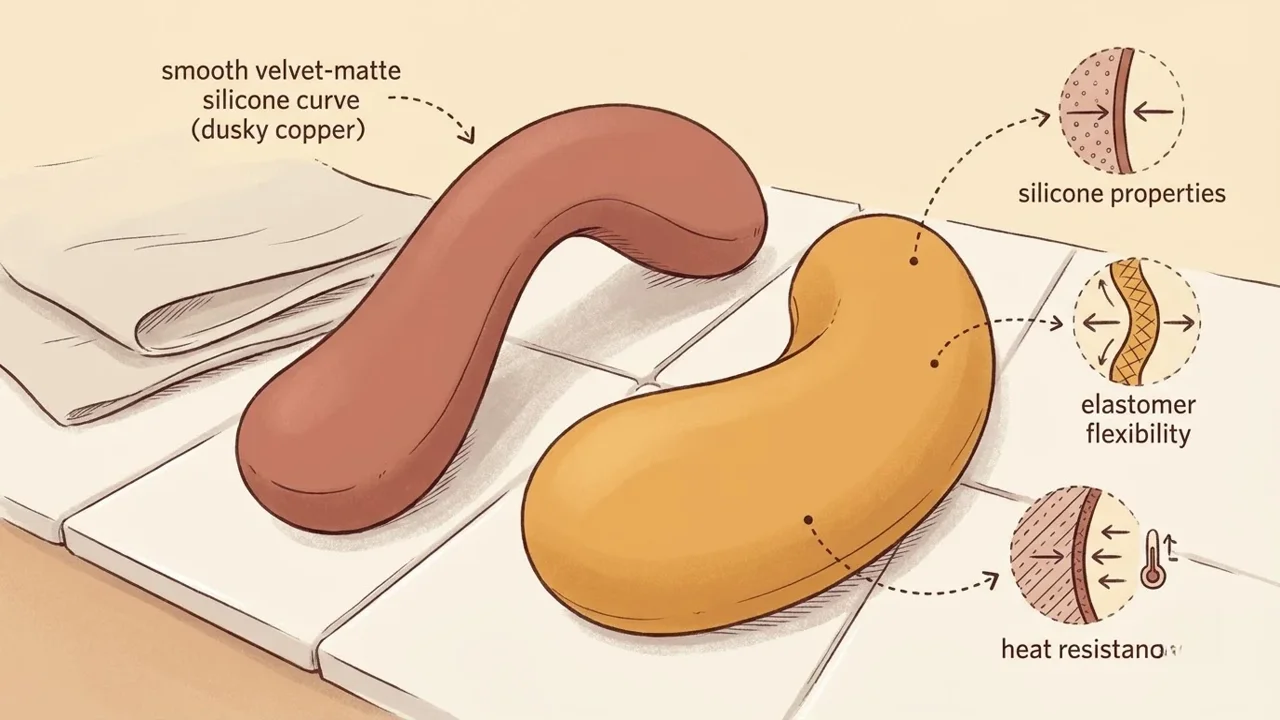
- 100% Solid Silicone (Manual): Dildos, menstrual cups, prostate probes, or manual massage wands containing no wires, motors, or batteries. These are virtually indestructible and can withstand high-heat boiling sterilization.
- Silicone-Coated Electronics (Motorized): Vibrators, air-pulse stimulators, and remote-controlled devices. While the external casing is pure silicone, the internal cavity houses delicate printed circuit boards (PCBs), motors, and lithium-ion batteries that must never be exposed to extreme thermal heat or prolonged immersion. For complete care protocols on unsealed casings, corded wands, and splash-proof electronics, see our dedicated guide to cleaning non-waterproof sex toys without damage.
2. Step-by-Step Daily Wash Routine
For routine maintenance after every intimate session, follow this simple 4-step protocol:
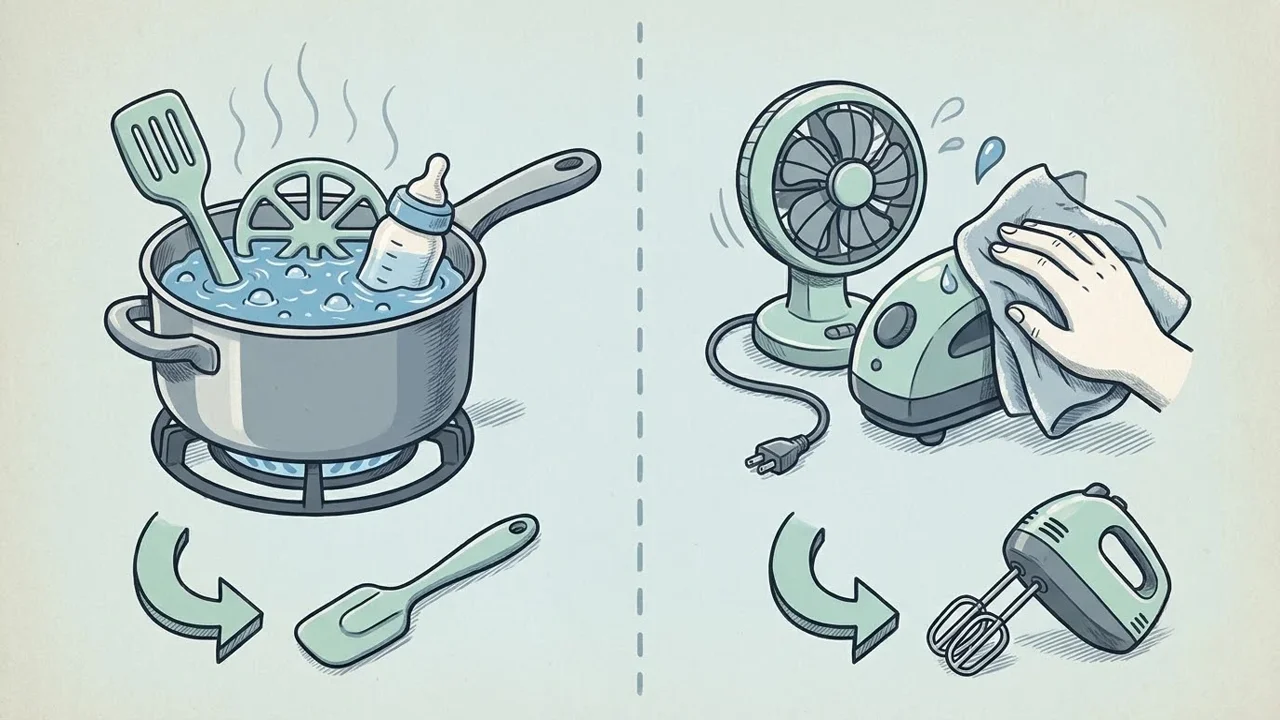 Figure 1: Thermal limits: Solid silicone can be boiled for clinical sterilization, whereas motorized devices require gentle surface washing to protect internal electronics.
Step 1: Immediate Post-Play Rinse
Never leave a used toy on the nightstand to “deal with in the morning.” Bodily fluids and water-based lubricants dry into a sticky, crusty film within 30 minutes. Once dried, proteins and sugars adhere firmly to the silicone, requiring unnecessary scrubbing. Give the toy a quick 15-second rinse under lukewarm running water immediately after use.
Step 2: Cleanser Selection
- What to Use: A dedicated, pH-balanced antibacterial intimate toy foam, or a mild, unfragranced liquid hand soap.
- What to Avoid: Heavy dishwashing liquid, bar soaps enriched with moisturizing cream (like Dove), and face washes containing exfoliating acids or benzoyl peroxide. Moisturizing bar soaps leave a waxy, cloudy lipid film over the silicone that attracts dust, while dishwashing detergents can gradually strip the silky protective topcoat.
Step 3: Gentle Lather & Cleansing
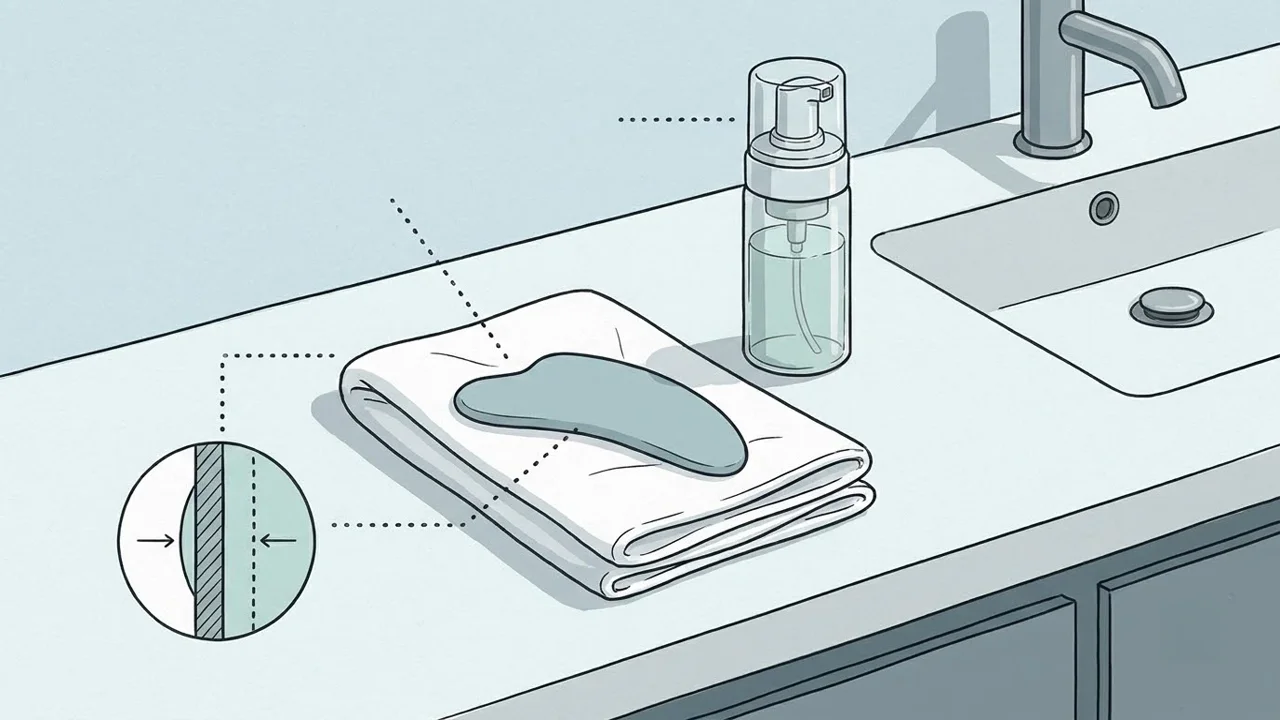
Apply cleanser over the entire silicone surface. Using the pads of your fingers (never abrasive sponges, scourers, or fingernails), gently work up a light lather, paying close attention to ridges, contoured tips, and button indentations.
- If the toy is fully waterproof (IPX7 rated): Rinse thoroughly under clean running water, ensuring all soap bubbles are washed away.
- If the toy has an exposed pin-charging port: Keep the port angled downward away from direct pressurized tap spray, and use a damp lathered cloth rather than full submergence.
Step 4: The Lint-Free Drying Technique
Silicone has natural electrostatic properties that pull airborne fibers out of the air.
- Never dry silicone with paper towels or standard cotton bath towels. They will shed microscopic white fuzz across the entire surface, leaving your toy looking dusty and coated in lint.
- The Solution: Pat the device dry using a clean, lint-free microfiber cloth, or place it on a clean drying rack to air-dry completely for 1 to 2 hours before packing it away.
3. Deep Sterilization: When & How to Boil Silicone
There are times when simple soap and water are not enough—such as after recovering from a yeast infection or bacterial vaginosis, or when preparing to share a solid silicone toy between partners.
How to Boil Pure Silicone Safely
- Bring a deep saucepan of fresh tap water to a rolling boil (100°C / 212°F).
- Lower your 100% solid silicone toy into the water using metal tongs. Ensure the toy is completely submerged and does not rest directly against the scorching metal floor of the pot (which can exceed 250°C and scorch the silicone).
- Boil steadily for 3 to 5 minutes. This temperature reliably neutralizes all vegetative bacteria, fungal spores, and viruses.
- Remove carefully with tongs and allow it to cool completely on a clean ceramic plate.
The Electronic Rule
Never, under any circumstances, boil a vibrator or motorized toy. Even if the manufacturer rates the device as “100% waterproof to 1 meter depth,” waterproof seals are engineered for ambient cold/warm water pressure. Boiling water will instantly warp silicone O-rings, melt internal glue bonds, and cause lithium-ion batteries to rupture or vent catastrophically.
4. Bedroom Myth-Busting: The ‘Alcohol Wipe’ Shortcut
🛑 Bedroom Myth-Busting: The 'Antibacterial Hand Gel' Lie
The Myth: "Rubbing alcohol, alcohol prep pads, or hand sanitizer gel are a fast, sterile way to disinfect silicone toys between uses."
The Reality: High-percentage isopropyl alcohol acts as an aggressive chemical solvent against siloxane polymers. Repeated exposure strips the smooth protective surface glaze, leaving the silicone cloudy, brittle, and microscopically pitted. Furthermore, residual alcohol absorbed into surface micro-fissures will cause intense chemical burning and contact dermatitis against delicate vaginal or anal mucous membranes. Stick strictly to warm water and mild soap.
5. Storage Science: Preventing Mold, Dust & Chemical Melting
How you store your toys during the 99% of their lives when they are not in use is just as critical as how you wash them.
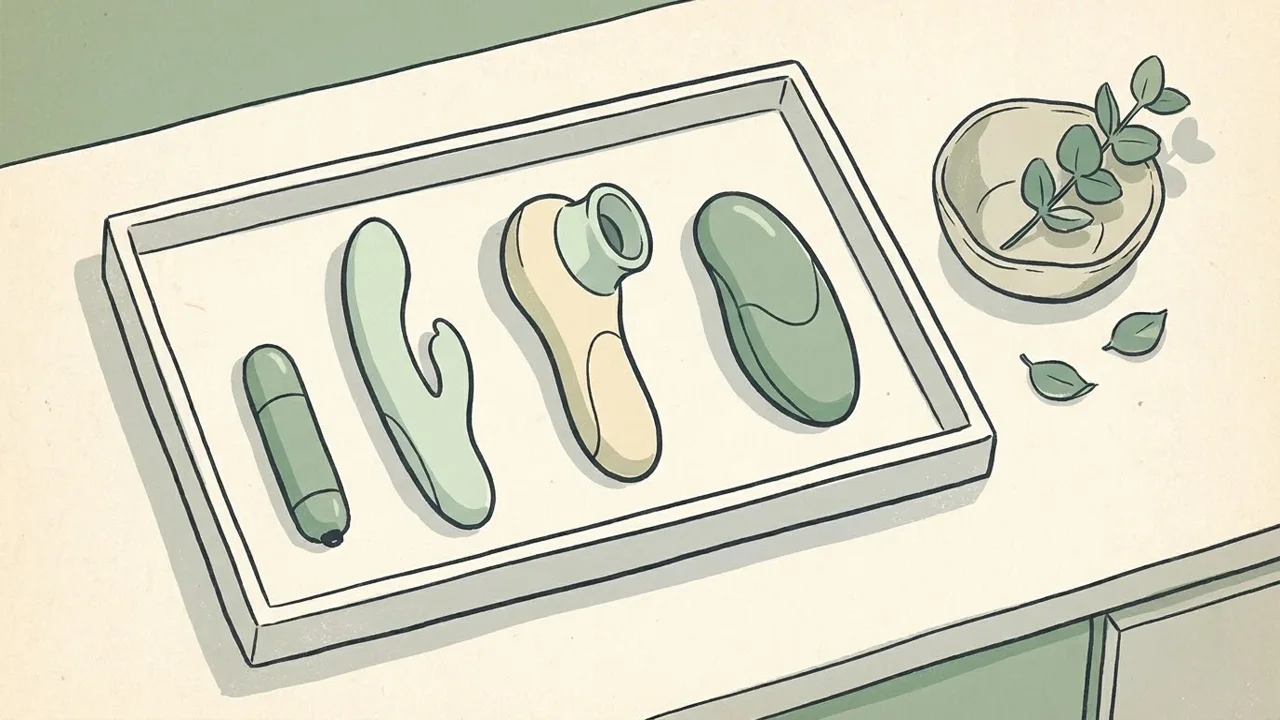
 Figure 2: Storage architecture: Natural breathable cotton pouches protect against dust and airflow stagnation while preventing chemical contact.
The Breathable Fabric Rule
Never store intimate toys in sealed Ziploc bags, airtight plastic Tupperware, or vinyl pouches. Even after thorough patting dry, microscopic residual moisture remains. Sealed airtight containers trap this humidity, creating a dark, stagnant incubator for black mildew and mold growth. Always store toys in breathable natural fabrics like unbleached cotton, satin, or microfiber pouches.
The Chemical Migration Danger
This is the most common way adult toys are accidentally destroyed:
- Silicone touching Silicone: Storing two silicone toys pressed firmly against each other in a warm drawer can cause their polymer chains to cross-link and fuse over months, leaving permanent sticky indentations.
- Silicone touching TPE / Jelly Rubber: Thermoplastic elastomers contain volatile mineral oils and plasticizers. If a TPE stroker touches a silicone vibrator, the plasticizers migrate into the silicone, liquefying both surfaces into a toxic, sticky puddle.
- The Golden Storage Rule: Every single toy must have its own individual cotton pouch.
6. International Hygiene & Care Accessories Benchmark
To help you equip your intimate care kit with verified, body-safe tools, here is how core cleaning essentials compare across US and UK markets:
| Care Product / Accessory | 🇺🇸 US Price (USD) | 🇬🇧 UK Price (GBP) | Best Suited For | Where to Buy (US & UK) |
|---|---|---|---|---|
| Antimicrobial Foaming Toy Cleanser (e.g., Lovehoney / Intimina) |
$12 – $22 | £9 – £16 | Daily sanitizing without stripping silicone coatings or leaving soapy residue. | 🇺🇸 Lovehoney US 🇬🇧 Lovehoney UK / Bondara |
| Pure Medical-Grade Silicone Vibrator (e.g., LELO MIA 3 / We-Vibe Tango X) |
$69 – $129 | £55 – £99 | Beginners seeking premium, 100% waterproof, body-safe insertable stimulation. | 🇺🇸 Lovehoney US 🇬🇧 Lovehoney UK |
| Organic Breathable Cotton Pouch 3-Pack | $10 – $18 | £8 – £14 | Preventing chemical migration, moisture buildup, and bedside dust collection. | 🇺🇸 Amazon US 🇬🇧 Amazon UK |
7. Pro-Tips: Reviving Dusty or Sticky Silicone
🔥 Tap to Reveal Pro-Tips & Care Hacks
Pro-Tip 1: The Warm Water + Dish Soap Reset for Lint
If your silicone toy accidentally touched a fuzzy blanket or wool sweater and is covered in stubborn lint, do not try to wipe it off with a towel. Fill a bathroom sink with warm water and 2 drops of mild liquid soap. Swish the toy vigorously underwater—the lint will release and float off instantly. Lift the toy straight out and let it air-dry undisturbed on a clean ceramic cup.
Pro-Tip 2: Never Wrap Charging Cables Around the Silicone Body
Tightly wrapping a PVC charging cable around a silicone vibrator for drawer storage causes two problems: the copper wires inside the cord fatigue and break, and the plasticizers in cheap PVC cable sheathing can leach into and stain the silicone surface. Coil cables loosely in a separate pouch pocket.
Pro-Tip 3: Guard Against Direct Ultraviolet Sunlight
Never leave silicone toys drying on a sunny windowsill. Intense UV radiation accelerates photo-oxidation in silicone elastomer pigments, causing vibrant colors to fade and surface textures to feel dull and dry over time.
Frequently Asked Questions
Can you wash a silicone sex toy in the dishwasher?
We strongly advise against it. Even if a manual silicone toy is heat-resistant, residential dishwashers utilize harsh, highly alkaline detergents and commercial rinse aids that leave caustic chemical residues on intimate toys. Additionally, lingering food greases and oils from dirty dishes inside the wash cycle can adhere to the silicone. Stick to hand-washing in clean sink water.
What should I do if my silicone toy feels sticky after washing?
If a silicone toy develops a persistent sticky, gummy coating that will not wash off, it has likely suffered chemical degradation—usually from contact with a silicone-based lubricant, an oil-based lotion, or another toy in storage. Unfortunately, once siloxane bonds dissolve and break down, the damage is structural and cannot be reversed. Retire the toy to protect your mucosal health.
How do I remove stubborn odours from silicone?
While medical silicone is non-porous and naturally odor-resistant, heavily fragranced lubricants or improper storage can occasionally leave a persistent scent. Soak the toy in a solution of equal parts warm water and distilled white vinegar for 15 to 20 minutes, then wash thoroughly with mild soap and air-dry in a well-ventilated room.
Sources, Clinical Methodology & Editorial Disclosures
- ISO 3533:2021: International Organization for Standardization specification for non-porous testing, tensile durability, and hygiene instructions in adult intimate products.
- British Association for Sexual Health and HIV (BASHH): Clinical guidelines on barrier hygiene, disinfection protocols, and cross-contamination prevention.
- International Society for Sexual Medicine (ISSM): Intimate device safety standards and mucosal health recommendations.
- Affiliate Disclosure: FlingZoe is an independent editorial publication. Some links on this page may generate an affiliate commission if you choose to purchase through them, at zero additional cost to you. We do not accept sponsored product placements or paid positive verdicts.
Quick check
Under what specific condition is it completely safe to submerge and boil a silicone sex toy in a pot of boiling water?
Only when the toy is 100% pure manual silicone with zero internal motors, batteries, or electronic circuits
Correct! Pure silicone easily withstands 100°C boiling water, but any toy containing batteries or a vibrating motor will suffer catastrophic circuit failure.
Whenever the toy has a waterproof rating of IPX7 or higher
Water resistance ratings only apply to room-temperature water immersion; boiling temperatures will melt internal seals and rupture lithium-ion batteries.