On this page
The short answer
Non-waterproof sex toys must never be submerged or held under running taps. Clean the exterior using a damp, thoroughly wrung-out microfiber cloth lightly misted with antibacterial toy cleaner or mild fragrance-free soap. Keep moisture away from button seams, charging pins, and battery caps. Detach washable silicone heads to rinse them separately, and leave the device upright in a ventilated area to dry completely before reassembly or storage.
How should I clean my toy?
Choose the material and water rating to see the steps that apply to your toy.
SiliconeNon-porous
- Wash with warm water and a mild, unscented soap or a toy cleaner.
- Rinse well so no soap or lube is left on the surface.
Some makers say solid silicone toys with no motor can be boiled. Only do this if your toy’s instructions say so.
Hard plastic (ABS)Non-porous
- Wash with warm water and a mild, unscented soap or a toy cleaner.
- Pay attention to seams and buttons, where lube can collect.
GlassNon-porous
- Wash with warm water and soap.
- Avoid sudden changes in temperature, which can crack glass.
Some glass toys are dishwasher-safe. Check the maker’s instructions first.
Stainless steelNon-porous
- Wash with warm water and soap.
- Dry fully so no water sits in engraved or textured areas.
TPE, TPR, jelly or “realistic skin”Porous
- Wash with warm water and a mild, unscented soap, inside and out.
- Rinse well, then let it dry completely before storing it.
- Use a condom over it if anyone else will use it, and change the condom between people.
These materials are porous, so they can hold bacteria even after cleaning. Keep porous toys for one person.
Not surePorous
- Treat it as porous: wash gently with warm water and mild, unscented soap, rinse and dry completely.
- Use a condom over it if it’s shared.
- Check the packaging or the maker’s website for the material.
Waterproof (IPX7 or IPX8)
You can wash it under running water. Make sure any charging port cover is closed first.
Splash-resistant, or not sure
Don’t put it under the tap or in water. Wipe it with a cloth dampened with soapy water, then with a clean damp cloth. Keep water away from charging points and battery compartments.
Not electric (no motor or battery)
You can rinse it freely under running water.
Every toy, every time
- Clean it before and after use.
- Dry it with a paper towel rather than a cloth, which can leave fibres behind.
- Store it dry, in its own pouch, away from other toys.
Based on guidance from Brook, SH:24, Essex Sexual Health Service and Brown University BWell. Always follow your toy’s own instructions.
Water and electronics rarely mix, yet intimate devices require rigorous hygiene after every session. While contemporary bullet vibrators and rabbit toys frequently advertise IPX7 or IPX8 submersion ratings, many of the most capable, durable devices on the market remain strictly non-waterproof.
Heavyweight mains-powered wands such as the Doxy Die Cast and corded Magic Wand, budget multi-speed bullets with twist-off battery bases, and motorized strokers with drive shafts cannot survive a rinse under the bathroom tap. A single drop of water entering an unsealed casing can corrode soldered circuit leads, short-circuit rechargeable lithium cells, or trigger permanent motor failure.
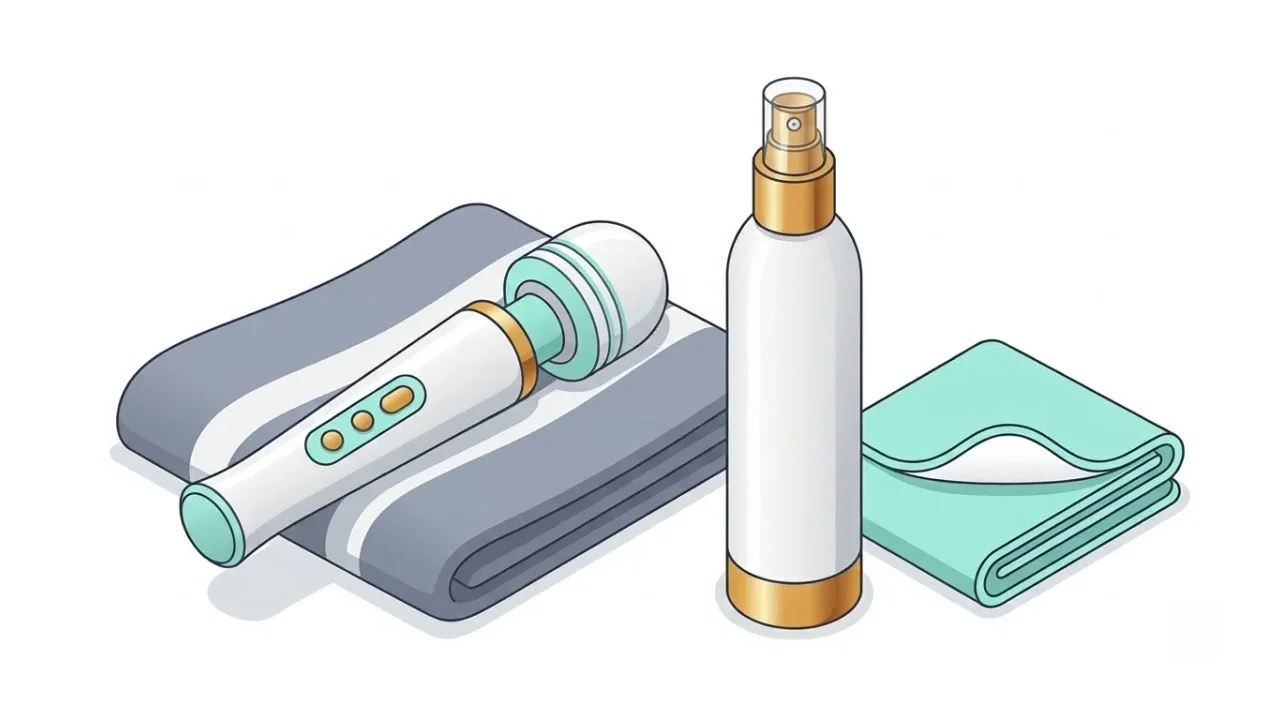
Cleaning a non-waterproof device demands precision rather than running water. By isolating detachable contact components, controlling moisture with a wrung-out microfiber cloth, and utilizing appropriate antibacterial sanitizers, you can maintain pristine clinical hygiene while protecting your investment for years of dependable service.
The Physics of Water Ingress: Why Submersion Destroys Circuits
Understanding why non-waterproof toys fail helps clarify why running water is so dangerous to unsealed casings.
Unlike medical-grade silicone vibrators sealed inside continuous silicone jackets, non-waterproof toys feature mechanical joints, ventilation ports, cooling vents, and moving mechanical switches.
| Enclosure Vulnerability | Mechanism of Moisture Ingress | Resulting Damage |
|---|---|---|
| Mechanical Button Seams | Water penetrates between sliding plastic contacts and rubber membranes | Micro-switch corrosion, unresponsive controls, intermittent firing |
| Unsealed Battery Caps | Threaded plastic lacks compressed silicone O-ring gaskets | Acidic electrolyte reaction, terminal spring oxidation, circuit cutoff |
| Cooling Vents & Motor Shafts | Capillary action draws liquid into high-RPM brass motor bearings | Motor coil burn-out, bearing rust, screeching acoustic failure |
| DC & Pin Jack Ports | Water settles inside hollow barrel charging receptacles | Electrolytic pin corrosion, short circuits during subsequent charging |
When ordinary tap water enters an energized electrical circuit, dissolved minerals (calcium, magnesium, and sodium) act as conductors. These minerals bridge traces on the printed circuit board (PCB), creating short circuits. Even if the device dries before being switched on again, moisture trapped against copper traces and soldered solder joints forms green copper carbonate corrosion over days or weeks, eventually causing terminal device failure.
Approved Cleansers vs Destructive Chemicals
Because you cannot rinse away chemical residues under a heavy stream of tap water, the cleaning solution you select must evaporate cleanly, kill pathogens on contact, and leave zero toxic or irritating residue on body-contact surfaces.
Recommended Sanitizing Agents
- Antibacterial Intimate Toy Sprays ($14 to $18 / £12 to £15): Formulations containing benzalkonium chloride or cocamidopropyl betaine eradicate 99.9% of surface bacteria without damaging silicone, ABS plastic, or metal finishes. They leave minimal residue and do not require heavy rinsing.
- Mild Fragrance-Free Soap Solution: A few drops of gentle castile soap or baby wash diluted in warm purified water provides safe surfactant action to break down organic fluids and silicone-safe lubricants without eroding delicate finishes.
- Purified or Distilled Water: When dampening cloths, distilled water prevents mineral spotting on dark aluminum or glossy polycarbonate casings.
Prohibited Household Chemicals
- Isopropyl Alcohol (Rubbing Alcohol): Never apply rubbing alcohol to silicone tips, soft TPE coatings, or painted ABS plastics. Alcohol extracts plasticizers from polymers, turning silicone brittle, cloudy, and prone to tearing. It also degrades internal casing adhesives and acoustic dampening seals.
- Bleach, Acetone, and Hydrogen Peroxide: These oxidizers cause chemical burns on sensitive mucous membranes if microscopic residues remain, while degrading rubber switches within seconds.
- Boiling Water: While pure manual silicone toys can be boiled safely (see our dedicated Silicone Cleaning and Boiling Guide), boiling temperatures immediately melt solder joints, warp plastic housings, and trigger violent thermal runaway in lithium-ion batteries.
Device Vulnerability Matrix: How to Treat Each Design
Not every non-waterproof device carries the same level of risk. Match your device type against the testing criteria below:
| Device Category | Water Rating | Safe Washing Strategy | Key Caution |
|---|---|---|---|
| Corded Heavyweight Wands (e.g. Doxy Die Cast) | IPX0 (Not water resistant) | Damp cloth surface wipe; silicone head cleaned with isolated damp towel | Never allow moisture near aluminum cooling vents or mains power cord grommet |
| Rechargeable Wand Massagers (e.g. Magic Wand Rechargeable) | Splash-Proof (IPX4 head only) | Detach silicone head attachment for separate hand washing; wipe handle casing | Never invert the wand so water runs from the neck down into the button panel |
| Twist-Base Battery Bullets (AA/AAA pocket vibrators) | IPX0 to IPX2 (Drip-proof only) | Remove battery cap; wipe exterior; clean metal threads with dry cotton swab | Never submerge the base; moisture inside battery springs causes battery leak |
| Motorized Automatic Strokers (Canister mechanical units) | Non-submersible electronics | Remove internal silicone/TPE sleeve entirely for washing; wipe canister body | Let internal sleeve dry 100% before reinserting into the motorized chassis |
Step-by-Step Protocol: The 5-Phase Wipe-Down Method
Follow this standardized laboratory protocol to clean non-waterproof toys thoroughly and safely after every use.
Phase 1: Disconnect and De-Energize
Before introducing any moisture, isolate the device from power:
- If the device uses a mains electrical cord, pull the plug directly from the wall outlet.
- If the device uses disposable alkaline batteries, unscrew the battery cap, remove the batteries, and store them on a dry surface. This eliminates electrical potential, preventing short circuits if moisture migrates into the battery chamber.
- If the toy is rechargeable, confirm that the power button is locked and disconnect any charging cables.
Phase 2: Separate Detachable Components
Many non-waterproof toys utilize detachable body-contact attachments that can be washed under water independently.
- Gently ease off any slip-on silicone wand head covers, suction caps, or textured sleeves.
- Inspect the detached silicone component for bodily fluids or lubricant accumulation.
- Wash the detached silicone piece in the sink under warm running water using antibacterial toy soap. Rinse thoroughly and place it on a clean towel.
- Keep the electronic handle or motorized base several feet away from the sink basin during this step.
Phase 3: Prepare the Damp Microfiber Cloth
The cardinal rule of non-waterproof cleaning: never spray cleaner directly onto the toy.
- Take a clean, lint-free microfiber cloth.
- Lightly spritz 2 to 3 pumps of antibacterial toy cleaner or warm soapy water onto one quadrant of the cloth.
- Wring the cloth out vigorously with your hands. When pressed firmly between your fingers, no liquid should drip or squeeze out. The cloth should feel cool and slightly damp, not wet.
Phase 4: Methodical Exterior Wipe-Down
- Wipe Direction: Hold the device so the vibrating head or tip points downward. Wipe from the base toward the head. This orientation ensures that any microscopic bead of moisture moves away from the motor body and control switches.
- Clean Contact Areas: Thoroughly wipe the body-safe silicone or metal contact tip, rotating the cloth to use a fresh section.
- Navigate Seams and Switches: When wiping near power switches, speed buttons, or seam joints, glide the cloth across the surface smoothly without pressing hard into the crevices.
- Immediate Dry Buff: Take a separate dry microfiber cloth and immediately buff dry the surface you just cleaned. Do not leave residual moisture beads sitting on the casing.
Phase 5: Detail Crevices with Cotton Swabs
If lubricant or dust has settled around raised button rings or charging indentations:
- Take a dry cotton swab (Q-tip).
- Lightly touch the tip to a damp cloth so it absorbs minimal moisture without saturation.
- Run the cotton swab around button perimeters and groove lines to extract debris.
- Follow immediately with a dry cotton swab to leave the crevice completely dry.
Proper Drying and Storage Hygiene
Cleaning is only half the battle; improper drying causes mold, mildew, and foul odors to develop on silicone and plastic surfaces.
- Upright Air Drying: Place the wiped device upright on a clean, dry microfiber cloth in a well-ventilated room with consistent airflow. Never balance a damp toy inside a closed drawer or damp bathroom cabinet.
- Leave Battery Compartments Open: For toys with screw-on battery caps, leave the cap off and the chamber open for at least 2 hours. This permits any trapped humidity to evaporate naturally before sealing.
- Breathable Fabric Pouches: Once 100% dry, store the device inside an individual, breathable natural cotton or satin storage bag. Never seal non-waterproof electronics inside airtight Ziploc bags or non-breathable plastic cases, which trap environmental moisture and degrade plasticizers.
- Silica Gel Desiccants: Place a food-grade silica gel packet inside your storage pouch. The packet absorbs ambient room humidity, protecting sensitive soldered joints and battery springs from micro-corrosion over long storage intervals.
Emergency Protocol: What to Do If Water Enters Your Toy
Accidents happen. If your non-waterproof toy accidentally falls into the bath or gets splashed heavily under the tap, act immediately:
- Do Not Turn It On: If the motor is off, keep it off. Switching on an electric motor while water bridges the PCB traces causes an immediate dead short, permanently frying the microchip.
- Cut All Power: Unplug corded units from the wall immediately. If it uses disposable batteries, remove them right away.
- Shake Out Excess Moisture: Vigorously shake the unit downward over a dry towel to dislodge water droplets from vents and ports.
- Desiccate for 48 Hours: Place the device in a sealed container completely surrounded by silica gel packets (or uncooked white rice if silica gel is unavailable). Keep the container in a warm, dry room for a minimum of 48 hours.
- Inspect Before Use: Check the battery chamber and seams for rust or corrosion. If the device smells of burnt electronics or fails to turn on smoothly, retire it immediately to avoid electrical hazards.
Explore Related Guides and Technical Reviews
- Why Sex Toy Hygiene Matters: Biofilms & Infection Prevention — Understanding bacterial biofilms and flora balance.
- Waterproof vs Water-Resistant Sex Toys Explained: IPX Ratings Decoded — Understanding IPX4, IPX7, and bath safety.
- How to Clean and Store Silicone Sex Toys Safely — Comprehensive boiling parameters and soap chemistry for 100% silicone manual devices.
- How to Choose a Rechargeable Sex Toy: Battery Life & Charging Pins — In-depth guide to magnetic USB pins, pinholes, and IPX water resistance ratings.
- Rechargeable vs Battery-Operated Vibrators Compared — Motor torque, lifetime battery replacement costs, and waterproofing differences evaluated.
- Magic Wand Rechargeable overview — Speeds, battery and why it is not waterproof.
- Doxy Die Cast overview — The mains-powered metal wand explained from published specs.
Quick check
What is the correct way to clean the motorized handle of a non-waterproof wand vibrator?
Wipe the casing with a damp, thoroughly wrung-out microfiber cloth lightly misted with antibacterial toy cleaner
Correct! Using a wrung-out damp cloth cleans away skin oils and bacteria while preventing moisture from seeping into button seams and motor housing.
Rinse the entire handle briefly under a lukewarm running tap while holding the power switch shut
Incorrect. Running water easily penetrates unsealed casing seams and power switches, causing short circuits and permanent motor oxidation.