On this page
The short answer
The term **'body-safe' is entirely unregulated** by consumer product law—any manufacturer can print it on packaging without third-party lab testing. Genuinely safe silicone is **100% platinum-cured medical-grade silicone** (USP Class VI or ISO 10993 certified), which leaves zero volatile peroxide residues or toxic byproducts. To avoid dangerous porous rubbers and unlabelled blends, avoid toys with a chemical plastic odor, perform the 'pinch and twist' test to check for chalky white mineral fillers, and insist on verified ISO 3533 compliance.
Checklist
- Look for '100% platinum-cured medical silicone' rather than generic 'silicone-feel'.
- Reject unbranded discount toys that smell like gasoline, rubber tires, or artificial fruit.
- Perform the pinch-and-twist test: if stretched silicone turns white, it contains cheap fillers.
- Verify non-porous certification (ISO 3533:2021 and European REACH standard).
- Only use 100% water-based lubricants with any silicone device.
Walk into any adult novelty store or browse online marketplaces like Amazon, and virtually every adult wellness toy boasts a badge proclaiming it is “100% Body-Safe.”
It sounds reassuring. It sounds clinical. It sounds regulated.
It isn’t.
In the United States and the United Kingdom, intimate adult novelties exist in a regulatory grey zone. Unlike pharmaceutical medicines, surgical gloves, or dietary supplements, adult toys are not systematically pre-approved by the US Food and Drug Administration (FDA) or the UK Medicines and Healthcare products Regulatory Agency (MHRA). The phrase “body-safe” is legally toothless—a marketing buzzword that any overseas dropshipper can slap onto packaging without subjecting the product to a single independent laboratory test.
As a result, millions of consumers unknowingly insert uncertified, adulterated rubbers, industrial plasticizers, and toxic phthalates against sensitive, highly vascularized mucosal tissue.
Understanding what genuine medical-grade silicone actually is—how it is cured, why non-porous structures matter, and how to verify legitimate purity—is the single most important health decision you will make as an adult toy owner.
1. The Chemistry of Silicone: Platinum-Cure vs Tin-Cure
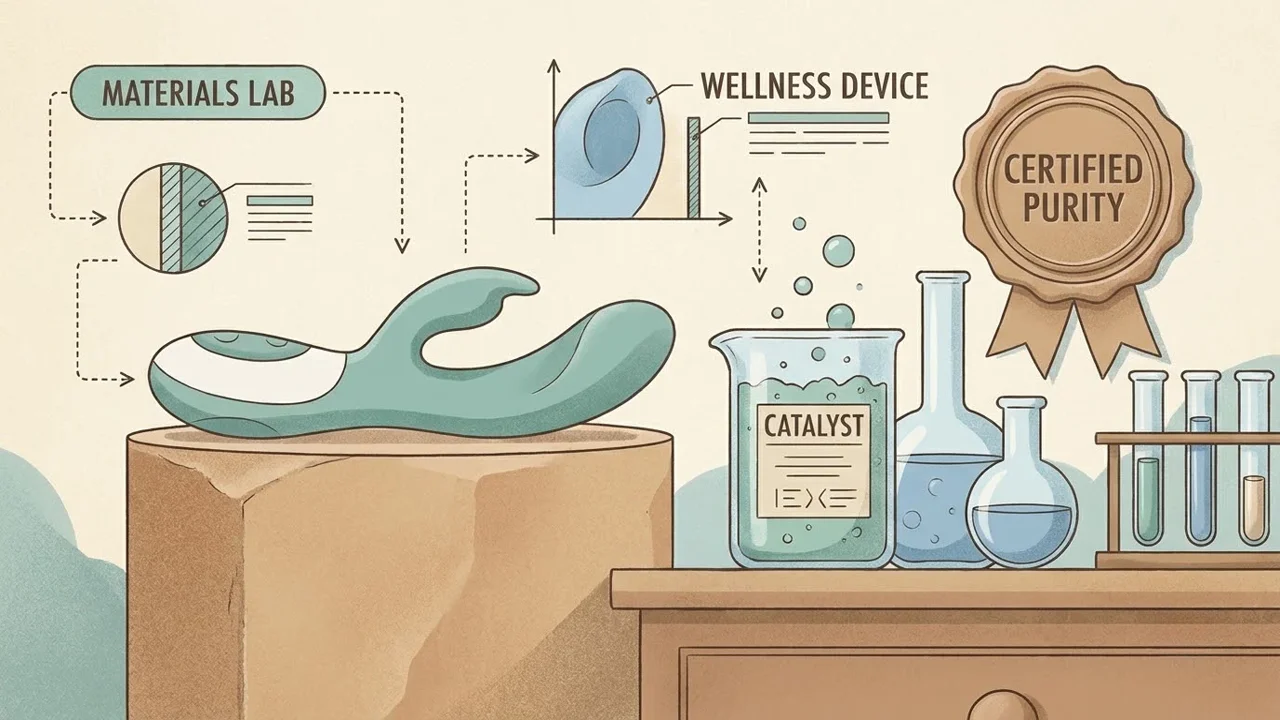
Silicone is an inorganic polymer composed of alternating silicon and oxygen atoms (the siloxane backbone) bound with organic methyl side groups. In its raw, liquid state, silicone resin cannot hold a shape. It must undergo a chemical reaction called curing (vulcanization), in which molecular chains cross-link into a solid, resilient elastomer.
The safety of the final product depends entirely on the catalyst used to trigger this cross-linking reaction:
1. Platinum-Cured Silicone (Addition-Cure) — The Gold Standard
- The Process: Liquid silicone rubber is cross-linked using an ultra-pure precious metal platinum catalyst.
- Chemical Byproducts: Zero. Platinum addition curing is an exothermic reaction that produces no volatile organic compounds (VOCs), no chemical leaching, and no shrinking over time.
- Biocompatibility: Platinum-cured silicone is biologically inert, hypoallergenic, and non-reactive with human mucosal tissues. It meets rigorous USP Class VI and ISO 10993 biocompatibility standards—the identical grade used for medical implants, heart valves, and pediatric catheters.
- Durability: Resistant to extreme temperatures (-50°C to +200°C), meaning it can be thoroughly sanitized in boiling water without structural degradation.
2. Tin-Cured Silicone (Condensation-Cure) & Peroxide Systems — The Industrial Budget Alternative
- The Process: Silicone is cured using inexpensive organotin catalysts (such as dibutyltin dilaurate) or organic peroxides.
- Chemical Byproducts: Alcohol and acid residuals. As the material cures, volatile condensation compounds (like acetic acid or ethyl alcohol) leach out of the matrix over months or years—a process called outgassing.
- Health Risks: Residual tin compounds and peroxide breakdown acids are known dermal irritants. When pressed against the delicate mucosal membranes of the vagina or rectum, they can cause burning, contact dermatitis, altered vaginal pH, and micro-ulcerations.
2. Porosity: Why True Medical Silicone Is Naturally Hygienic
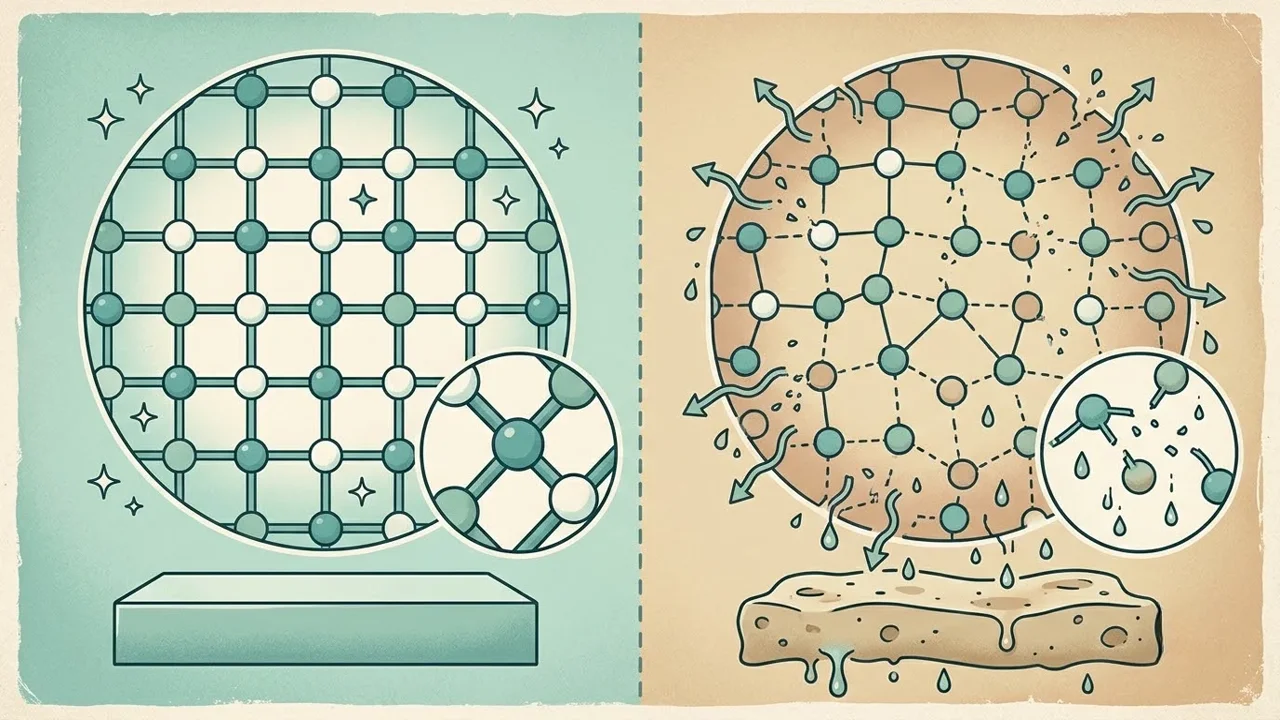
The defining biological advantage of genuine medical silicone is that it is 100% non-porous.
Under an electron microscope, cheap plastics like PVC, “cyber-skin,” and unvulcanized TPR resemble a natural sponge: their surfaces are honeycombed with millions of microscopic microscopic pits and cellular fissures.
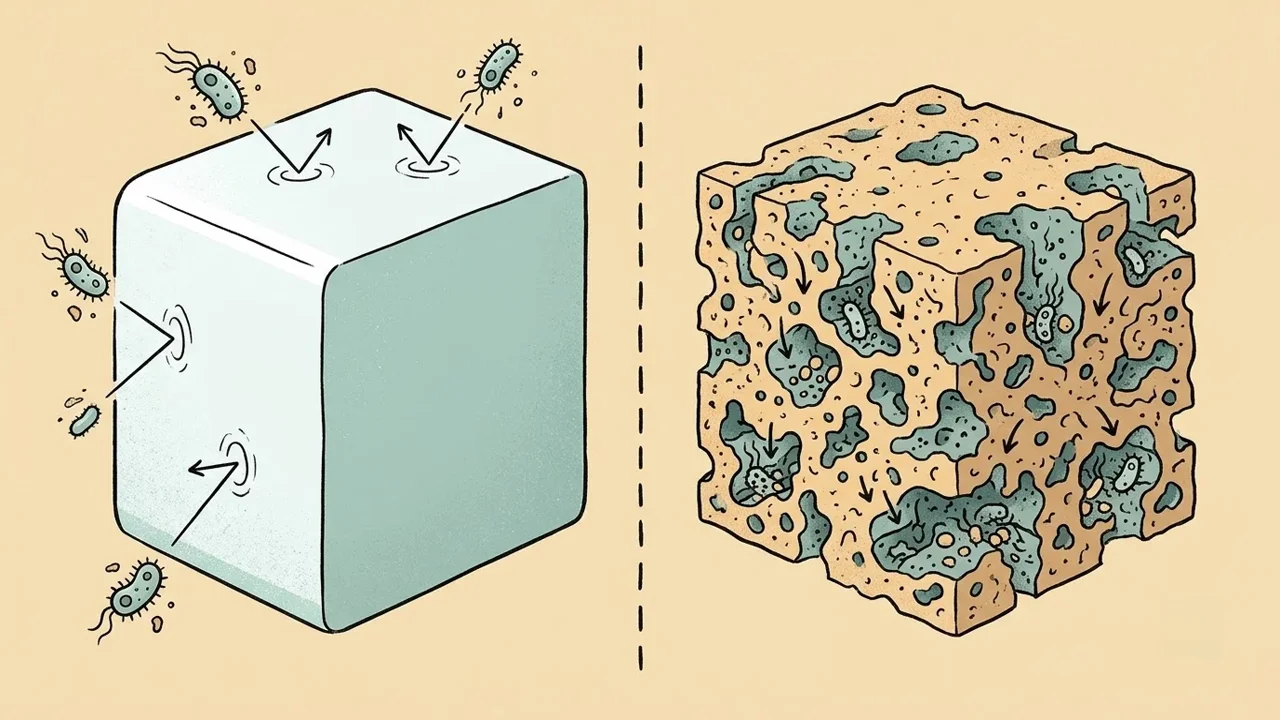
Why Porosity Endangers Intimate Health:
- Bacterial & Viral Colonization: Microscopic crevices in porous rubbers trap vaginal secretions, semen, fecal micro-particles, and pathogens (Candida albicans, Gardnerella vaginalis, HPV, herpes simplex). Soap and water can only wash the outer surface; bacteria nestled inside micro-pores survive and multiply.
- Chemical Plasticizer Leaching: Rigid plastics like polyvinyl chloride (PVC) are naturally as hard as drainage pipes. To make them soft and flexible for adult toys, manufacturers saturate them with ortho-phthalate plasticizers (such as DEHP, DBP, and DINP)—often making up 40% to 60% of the product’s total weight!
- Endocrine Disruption: Phthalates are not chemically bound to the plastic; they constantly leach out on skin contact and are absorbed through mucosal linings. Clinical research confirms that phthalates act as potent endocrine disruptors, linked to reproductive toxicity, hormone disruption, and cellular damage.
[!IMPORTANT] Regulatory Fact: While the European Union (REACH Regulation) and the US Consumer Product Safety Commission have banned phthalates in children’s toys and childcare articles since 2008, no federal ban exists for adult novelties in the United States. Unregulated discount manufacturers routinely use phthalate-heavy PVC and market it deceptively as “soft jelly rubber” or “body-safe silicone-feel.”
3. The Material Hierarchy: Silicone Grades Decoded
Not all materials carrying the word “silicone” on a spec sheet are created equal. Here is how different consumer grades compare:
| Material Classification | Curing Method & Composition | Biocompatibility Certification | Intimate Safety Verdict |
|---|---|---|---|
| Medical-Grade Platinum Silicone | 100% pure silicone resin cured with elemental platinum; zero fillers | USP Class VI; ISO 10993 (Cytotoxicity, irritation, systemic toxicity) | Highest Safety (Recommended): Completely inert, non-porous, sterilizable, 100% hypoallergenic. |
| Food-Grade Silicone | Platinum or peroxide cured; meets FDA 21 CFR 177.2600 for kitchenware | FDA food contact approved; LFGB (German food safety standard) | Safe for External Use: Safe for ingestion contact, but lacks mucosal biocompatibility testing. |
| Adulterated / Filled Silicone | Silicone cut with 20–40% chalk, limestone, or petroleum mineral oil fillers | None (often carries unverified "CE" self-declarations) | Avoid: Mineral fillers weaken tensile strength, create micro-pores, and harbor bacteria. |
| "Silicone-Feel" Coated Plastic | Hard ABS or cheap PVC sprayed with a micro-thin polyurethane "soft-touch" lacquer | None | Temporary / Risky: Thin coating peels, flakes, and blisters with friction, exposing toxic underlayers. |
| Jelly Rubber / PVC | Polyvinyl chloride plasticized with heavy phthalates | Banned in children's toys; unregulated in adult products | Hazardous: Porous, toxic chemical odor, leaches endocrine disruptors, impossible to sanitize. |
4. Three At-Home Tests to Verify Genuine Silicone
Because packaging labels cannot always be trusted, dermatologists and sexologists recommend three simple at-home diagnostic tests to verify whether your device is made of genuine, unadulterated silicone:
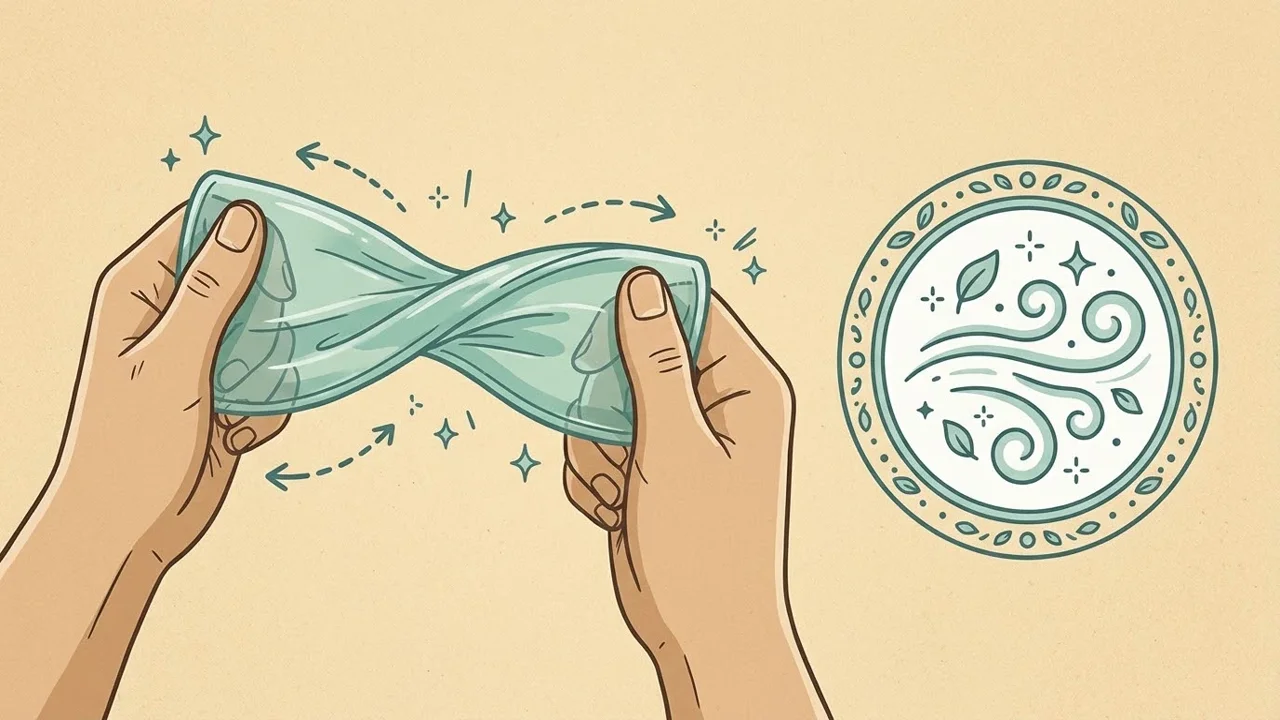
Test 1: The “Pinch & Twist” Test
- Grasp a flexible portion of the toy (the shaft, tip, or base flange) between your thumbs and index fingers.
- Bend it sharply in half and twist the folded ridge under strong lighting.
- If it stays completely uniform in color: The material is 100% pure silicone.
- If the stretched crease turns chalky, cloudy, or stark white: The manufacturer diluted the silicone with cheap inorganic mineral fillers (calcium carbonate or talc) to cut production costs. When stretched, the filler particles fracture, scattering light. Return or discard the product.
Test 2: The Olfactory (Smell) Test
- Pure Medical Silicone: Has zero scent. Unboxing a medical silicone vibrator should smell like fresh air or clean glass.
- Adulterated / Toxic Rubbers: Emit a strong, sharp, chemical odor resembling gasoline, mothballs, burnt tires, or sickly sweet artificial vanilla (used by shady manufacturers to mask foul chemical odors). A strong chemical smell indicates active solvent outgassing and volatile plasticizers.
Test 3: The Thermal Conduction Test
- Pure silicone has low thermal conductivity. When you place a room-temperature silicone toy against your wrist, it will feel cool for 2 to 3 seconds, then rapidly absorb your body heat, feeling velvety and warm. Cheap hard plastics or synthetic vinyl rubbers remain clammy, cold, and rigid.
5. Verified Benchmark Models Built from 100% Medical-Grade Platinum Silicone
To take the guesswork out of shopping, here are benchmark models engineered exclusively from verified medical-grade, platinum-cured silicone:
LELO MIA 3 & LELO Sona 2
Swedish manufacturer LELO pioneered the use of FDA-compliant, ultra-dense platinum-cured medical silicone across its entire catalog. Their silicone formulation is certified non-porous, hypoallergenic, and features an ultra-thick seamless casing that completely seals internal electronics.

We-Vibe Tango X & Sync 2
Canadian brand We-Vibe (WOW Tech Group) subjects all silicone compounds to comprehensive third-party biocompatibility evaluations matching ISO 10993 cytotoxicity and mucosal irritation guidelines. Their toys feature velvety matte finishes that resist lint adherence and contain zero phthalates or BPA.
🛑 Bedroom Myth-Busting: "Boiling Can Sanitize Any Adult Toy"
The Myth: "If you accidentally bought a cheap jelly rubber or unlabelled plastic toy, simply boil it in water for 5 minutes to sterilize it and make it body-safe."
The Reality: Boiling only works on 100% pure silicone, borosilicate glass, and stainless steel. If you boil porous PVC, jelly rubber, or TPR, the boiling water will accelerate chemical plasticizer breakdown, cause toxic phthalates to leach into your cookware, and melt the toy into a deformed, sticky mass. Boiling cannot convert a toxic material into a safe one.
6. Dual-Market Verified Retailer Guide (US 🇺🇸 & UK 🇬🇧)
To ensure you receive genuine, certified medical-grade silicone rather than counterfeit knockoffs, purchase exclusively through authorized adult wellness retailers with strict quality assurance policies:
| Retailer & Market | Material Quality Policy | Representative Verified Brands | Verified Merchant Links |
|---|---|---|---|
| Lovehoney US & UK (🇺🇸 US / 🇬🇧 UK) |
Strict ban on phthalates and porous jelly rubber; all proprietary toys certified body-safe under ISO 3533. | Lovehoney Discover, Fifty Shades of Grey, Satisfyer, LELO | 🇺🇸 Lovehoney US 🇬🇧 Lovehoney UK |
| Babeland (🇺🇸 United States) |
Woman-founded, education-first retailer that pre-screens all inventory for 100% non-toxic, phthalate-free materials. | Dame Products, Crave, We-Vibe, Fun Factory, Je Joue | 🇺🇸 Babeland US |
| Bondara (🇬🇧 United Kingdom) |
Long-established UK stockist enforcing European REACH compliance across all silicone, glass, and metal devices. | Rocks-Off, We-Vibe, LELO, Nexus, Tenga | 🇬🇧 Bondara UK |
| LELO Official Store (🇺🇸 US / 🇬🇧 UK) |
Direct manufacturer warranty; guaranteed authentic platinum-cured biocompatible silicone with zero counterfeit risk. | Sona 2, MIA 3, Dot, Enigma, Billy 2 | 🇺🇸 LELO US 🇬🇧 LELO UK |
7. Pro-Tips for Lifelong Silicone Toy Care
🔥 Tap to Reveal Pro Care & Maintenance Hacks
Pro-Tip 1: The Lube Chemistry Cardinal Rule
Never use silicone-based lubricant with silicone toys. Silicone oil acts as a solvent for solid silicone elastomer, breaking molecular cross-links and turning the velvety finish into a permanently sticky, pitted mess. Always use a high-viscosity, water-based lubricant.
Pro-Tip 2: Never Let Two Silicone Toys Touch in Storage
If two silicone devices are stored touching each other in a drawer, free polymer chains can slowly cross-migrate over months, causing the two toys to fuse together or melt at the contact point. Always store silicone toys in individual breathable cotton or satin pouches.
Pro-Tip 3: The Lint Roller Hack
High-grade medical silicone has natural electrostatic properties, meaning it attracts bedroom dust and pet hair like a magnet. Keep a dedicated sticky lint roller in your nightstand. Rolling it over a dry silicone toy removes 100% of lint particles in 5 seconds without needing water.
Frequently Asked Questions
Is “food-grade silicone” safe for internal sex toys?
Food-grade silicone meets FDA 21 CFR 177.2600 standards for food contact (e.g., baking mats, spatulas, infant bottle nipples). While non-toxic if briefly placed in the mouth, food-grade silicone is not evaluated for prolonged mucosal contact in the vagina or rectum, where chemical absorption rates are significantly higher. For internal devices, medical-grade platinum silicone is always the safer, clinically proven standard.
What should I do if a toy smells like strong plastic or chemicals?
Do not use it. A strong chemical odor is unambiguous proof of volatile outgassing—the material is releasing toxic solvents, unreacted catalysts, or phthalates. Wash it once with soap; if the smell persists, the chemicals are woven into the polymer matrix itself and cannot be washed away. Return the product or dispose of it safely.
Can using low-grade silicone cause bacterial vaginosis (BV) or yeast infections?
Yes. Porous, cheap rubbers harbor bacterial biofilms that resist surface washing. Reinserting a porous toy introduces colonies of Gardnerella or Candida directly into the vaginal canal. Furthermore, chemical irritants from cheap plasticizers disrupt the protective vaginal epithelium and alter natural acidic pH, creating an ideal environment for recurrent infections.
Can I boil a silicone vibrator to sterilize it?
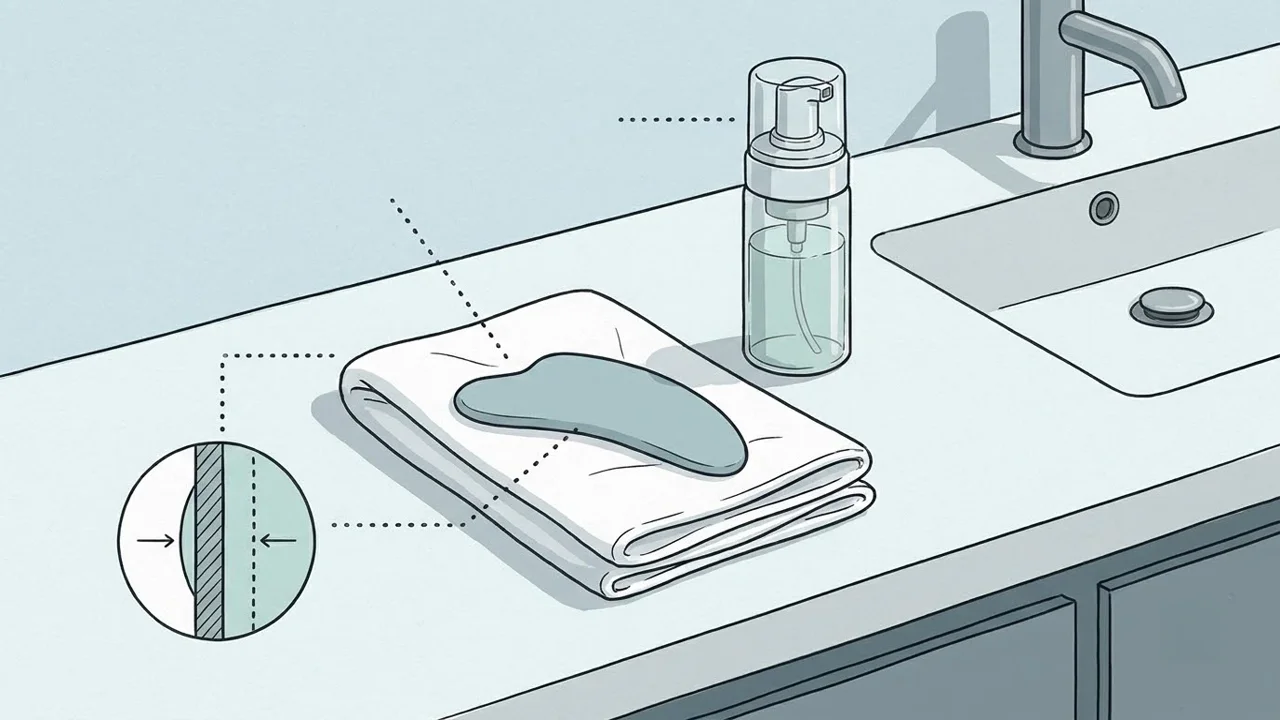
Only if the product is an unpowered, non-electronic piece (like a pure silicone dildo or menstrual cup). Boiling water will instantly destroy rechargeable lithium-ion batteries, motors, and microchips inside electronic vibrators. For powered devices, wash thoroughly with warm water and antibacterial foaming toy soap, or use a 70% isopropyl alcohol wipe on the silicone tip (allowing it to evaporate completely).
Why do some silicone toys feel velvet-smooth while others feel rubbery?
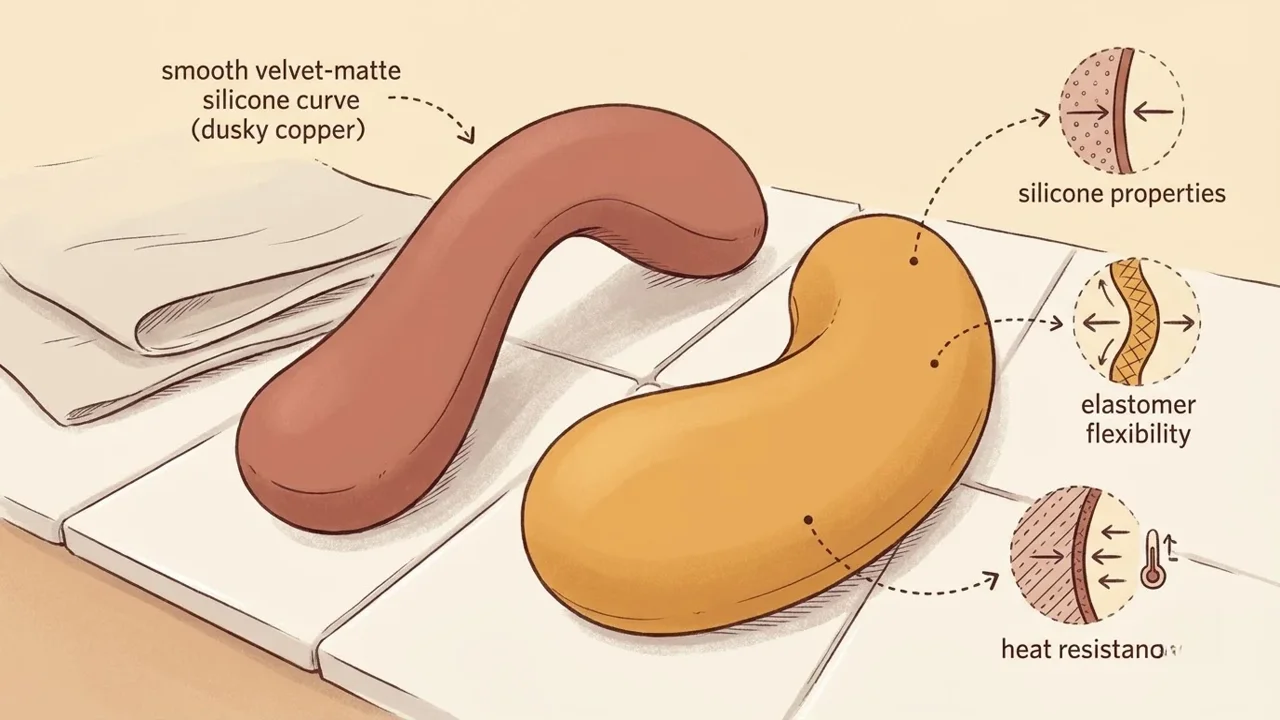
The surface texture depends on whether the manufacturer applies a microscopic post-curing matte finish or uses an ultra-high-precision mold. Premium platinum silicone features a velvety, peach-fuzz texture that glides smoothly against skin. Cheaper silicone is often glossy, grabby, and sticky to the touch.
What certifications should I look for on the product box?
Look for verified compliance badges: ISO 3533:2021 (the dedicated sex toy safety standard), USP Class VI or ISO 10993 (medical biocompatibility), and CE / RoHS / REACH compliance. Avoid listings that merely use vague text phrases without specifying the exact material composition.
Sources, Clinical Methodology & Editorial Disclosures
- ISO 3533:2021: International Organisation for Standardisation — Technical specifications for intimate wellness products: non-porous material standards, physical durability, electrical safety, and toxicological thresholds.
- U.S. Food and Drug Administration (FDA): 21 CFR 177.2600 — Indirect food additives: polymers and biocompatibility requirements for elastomer articles.
- European Chemicals Agency (ECHA): REACH Regulation (EC) No 1907/2006 — Comprehensive restrictions on ortho-phthalates (DEHP, DBP, BBP, DIBP) and Substances of Very High Concern (SVHC).
- International Society for Sexual Medicine (ISSM): Clinical consensus guidelines on consumer intimate product hygiene, mucosal safety, and non-reactive elastomer selection.
- Affiliate Disclosure: FlingZoe is an editorially independent publication. We evaluate products objectively across US and UK markets. If you purchase through our verified retailer links, we may earn an affiliate commission at zero additional cost to you. We never accept paid placements, free gifts, or sponsored reviews in exchange for positive ratings.
Quick check
Why does low-grade, adulterated silicone turn chalky white when stretched or pinched tightly?
It contains cheap mineral fillers (such as calcium carbonate or silica chalk) that fracture and scatter light under tensile stress, proving the material is not pure medical-grade elastomer.
Spot on! 100% pure medical-grade silicone maintains uniform color and translucency when stretched. If the folded ridge turns stark white, the manufacturer cut corners with cheap, potentially irritating mineral fillers.
The polymer molecules are oxidizing rapidly upon contact with ambient bedroom oxygen.
Silicone is chemically inert and does not oxidize in air. The white color change is purely the optical refraction of cheap filler particles fracturing under strain.